Kailash Mansarovar Overland Tour: Complete Guide, Cost & Travel Tips

The Kailash Mansarovar Overland Tour is more than just a journey through the Himalayas—it’s a life-changing pilgrimage that blends spirituality, breathtaking landscapes, and cultural discovery. Every year, thousands of devotees, trekkers, and adventure travelers embark on this sacred expedition to witness the majestic Mount Kailash and the serene waters of Lake Mansarovar in Tibet.

Revered by Hindus, Buddhists, Jains, and followers of the Bon religion, Mount Kailash is believed to be one of the world’s holiest mountains. Unlike other famous peaks, climbing Mount Kailash is strictly prohibited out of respect for its profound spiritual significance. Instead, pilgrims perform the sacred Kailash Kora (Parikrama)—a 52-kilometer circumambulation believed to cleanse sins, bring spiritual merit, and symbolize the journey toward enlightenment.

The overland route from Kathmandu, Nepal, has become one of the most popular ways to reach Kailash Mansarovar. Traveling through the scenic Tibetan Plateau allows pilgrims to gradually acclimatize to high altitude while enjoying spectacular mountain views, traditional Tibetan villages, pristine lakes, and vast grasslands.

Whether you’re planning a religious pilgrimage, seeking inner peace, or simply dreaming of one of the world’s most extraordinary road journeys, this comprehensive guide covers everything you need to know—from the itinerary and highlights to travel tips, costs, and preparation.

What is the Kailash Mansarovar Overland Tour?

The Kailash Mansarovar Overland Tour is a multi-day pilgrimage and sightseeing journey, Kailash Mansarovar  Yatra from Kathmandu and crosses into Tibet via the Kerung border. Travelers continue by road across the vast Tibetan Plateau before reaching the sacred destinations of Lake Mansarovar and Mount Kailash.

Unlike helicopter tours that shorten travel time, the overland route emphasizes gradual altitude gain, allowing participants to adapt naturally to higher elevations. This makes it a preferred choice for many pilgrims and travelers seeking a safer and more immersive Himalayan experience.

The journey combines comfortable road travel with one of the world’s most spiritually significant treks—the three-day Kailash Kora around Mount Kailash.

Tour Overview

Tour Information Details
Tour Duration 13–15 Days
Starting Point Kathmandu, Nepal
Destination Mount Kailash & Lake Mansarovar, Tibet
Maximum Elevation Dolma La Pass (5,630 m / 18,471 ft)
Main Activities Pilgrimage, Overland Drive, Sightseeing, Kora Trek
Best Season April to October
Difficulty Moderate to Challenging

The combination of cultural exploration, spectacular scenery, and deep spiritual significance makes this one of the most rewarding Himalayan journeys.

Why Choose the Overland Route?

Many travelers wonder whether they should choose an overland tour or a helicopter package. While both options offer access to Mount Kailash, the overland route provides several unique advantages.

Better Acclimatization

One of the biggest benefits is gradual altitude adjustment. Instead of ascending rapidly, travelers spend several days driving through Tibet, allowing the body to adapt naturally. This significantly reduces the risk of altitude-related discomfort.

Rich Scenic Experience

The journey itself is part of the adventure. Travelers pass through picturesque valleys, snow-capped Himalayan peaks, turquoise rivers, wide-open grasslands, and the vast Tibetan Plateau, offering countless opportunities for photography and quiet reflection.

Deeper Cultural Immersion

Traveling overland allows visitors to experience authentic Tibetan culture. Along the way, you’ll encounter traditional villages, ancient monasteries, colorful prayer flags, and local communities that have preserved their customs for generations.

Comfortable Road Journey

Modern tourist vehicles make the drive comfortable, with planned stops for acclimatization, sightseeing, and overnight stays. The route is designed to balance travel time with rest, helping pilgrims conserve energy before the Kailash Kora.

Excellent Value

Compared to helicopter tours, overland journeys generally offer a more comprehensive experience with additional sightseeing, making them an excellent option for travelers who want to enjoy both the pilgrimage and the landscapes of Tibet.

Why Visit Mount Kailash and Lake Mansarovar?

Few places in the world inspire as much reverence and fascination as Mount Kailash and Lake Mansarovar. These sacred landmarks attract pilgrims from diverse faiths, each with their own traditions and beliefs.

The Sacred Mount Kailash

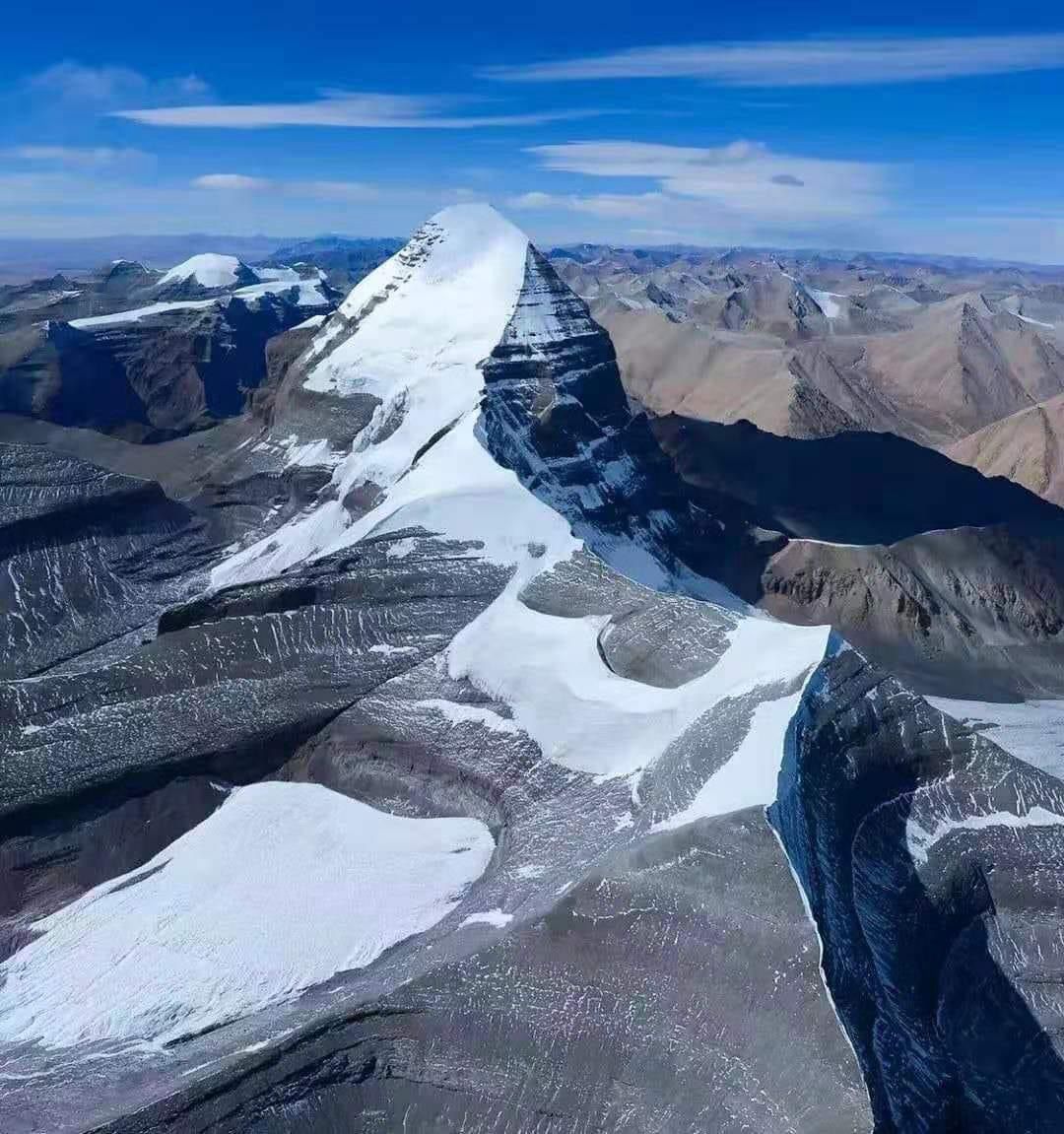
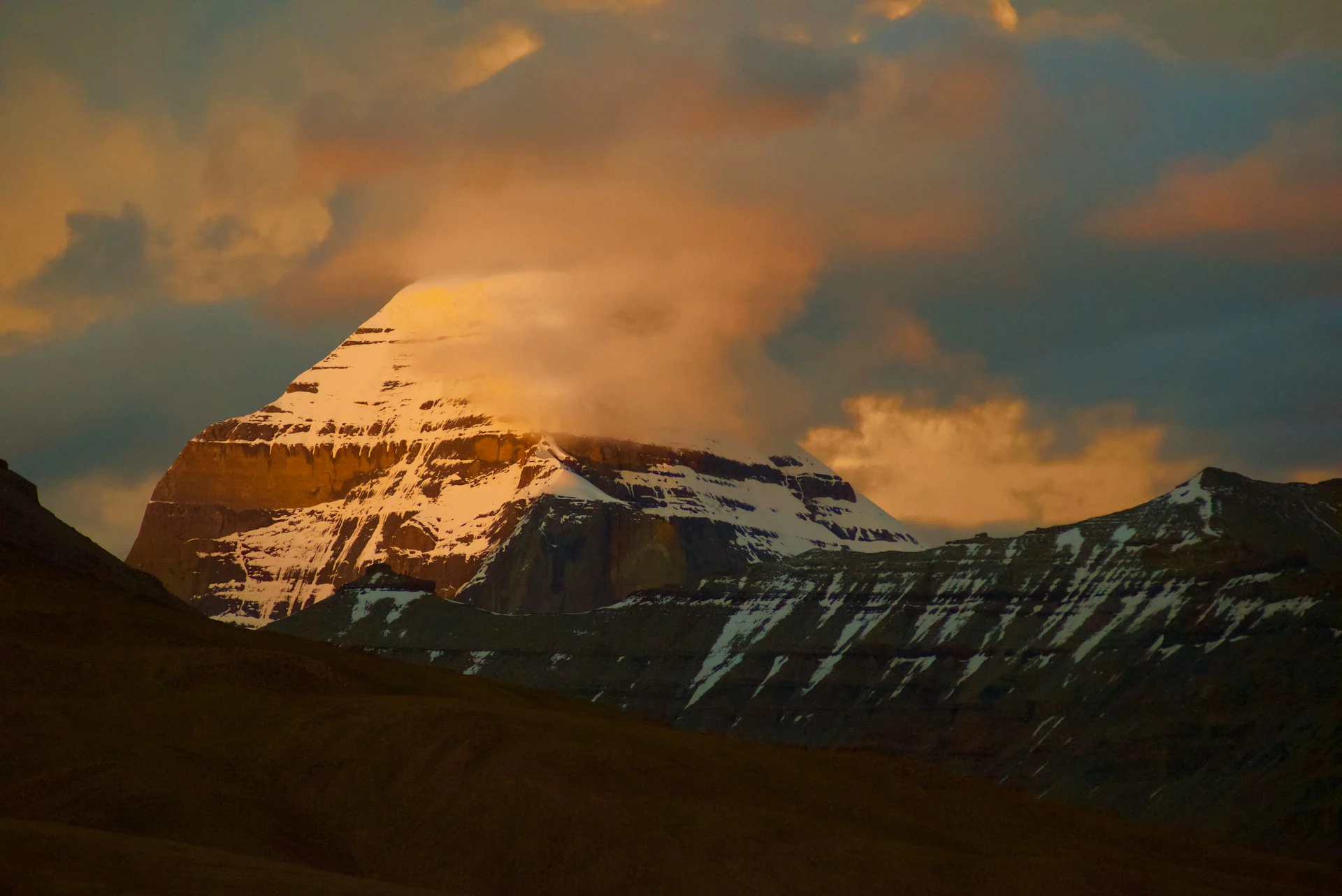
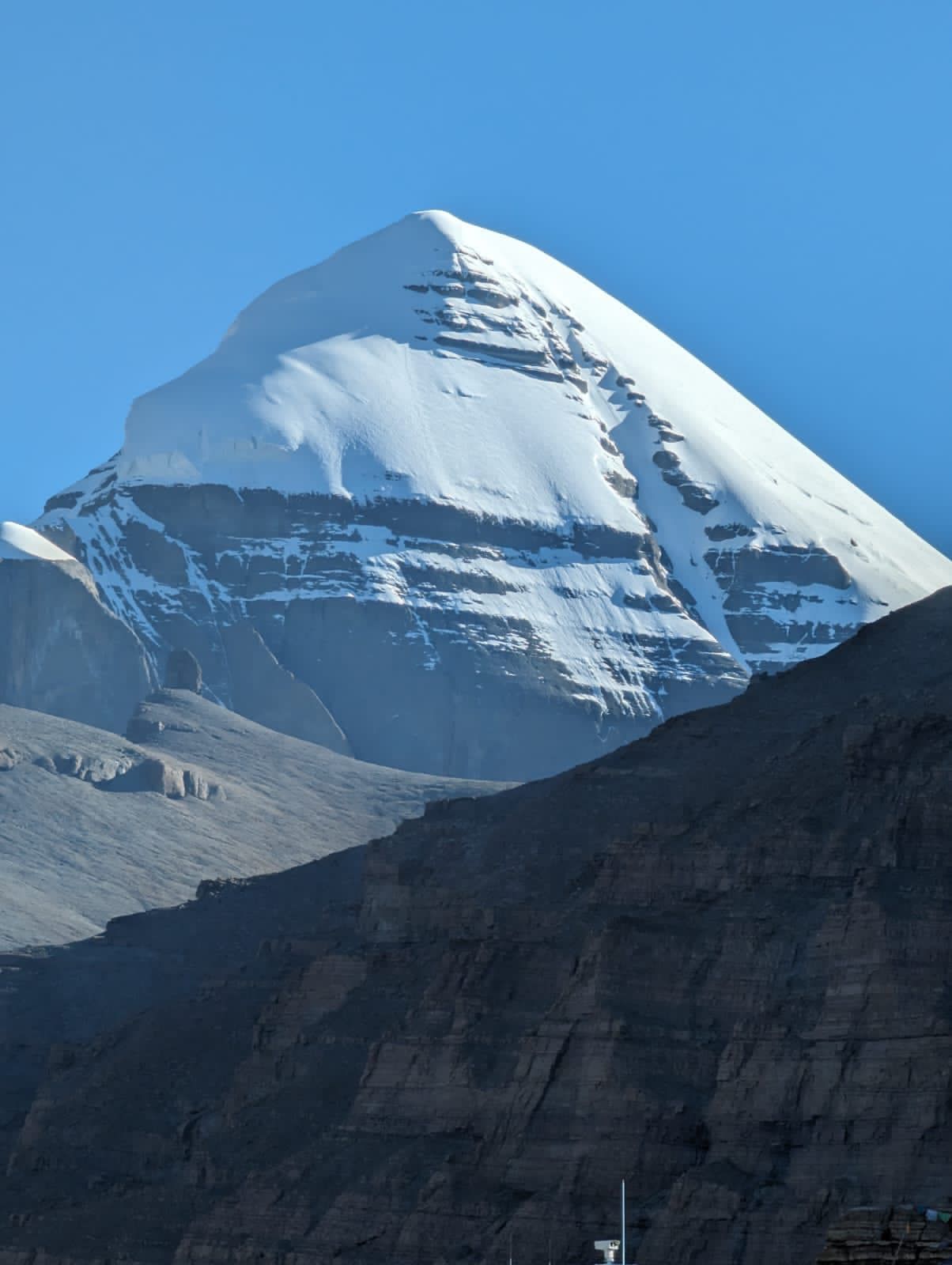
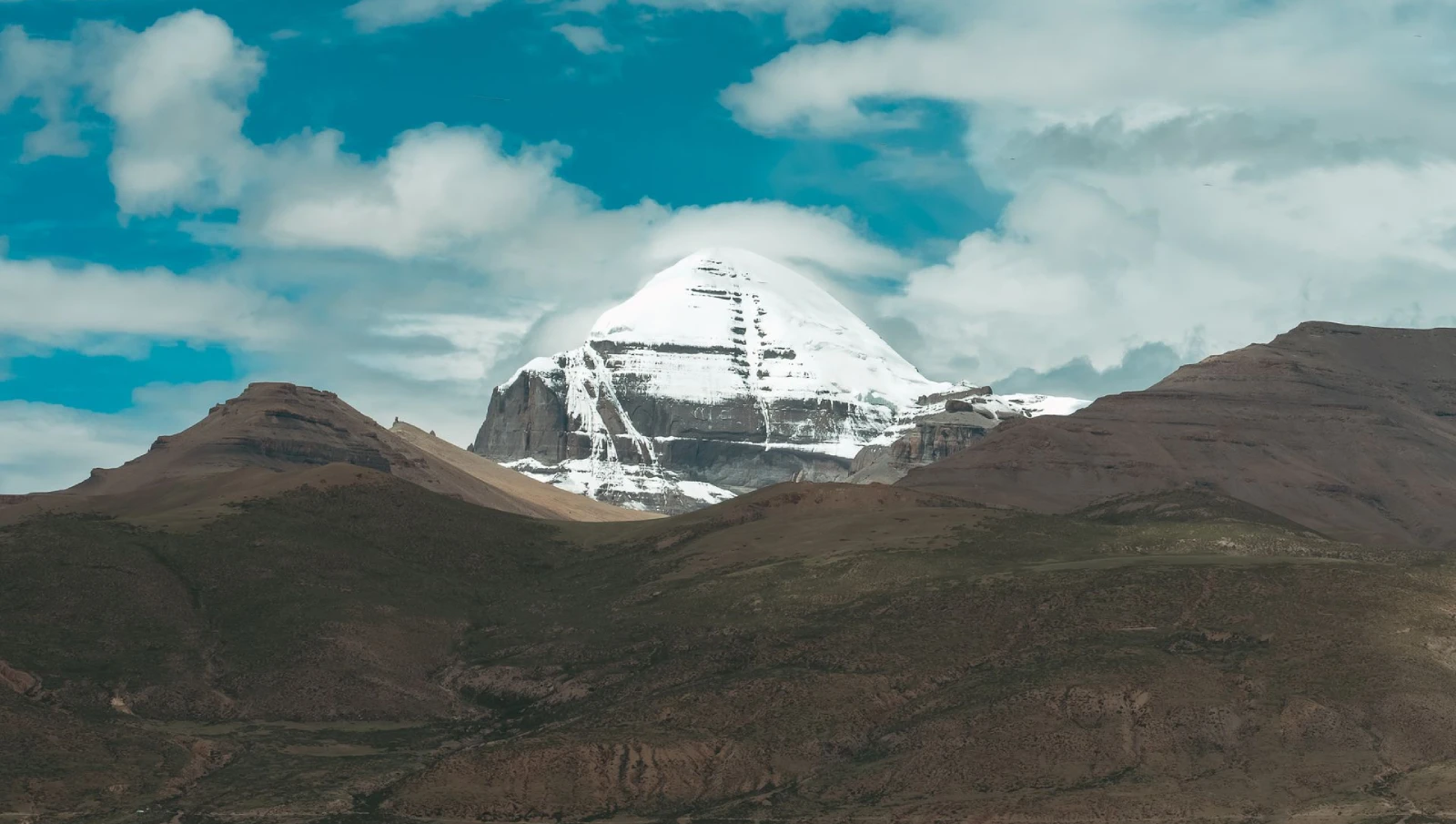
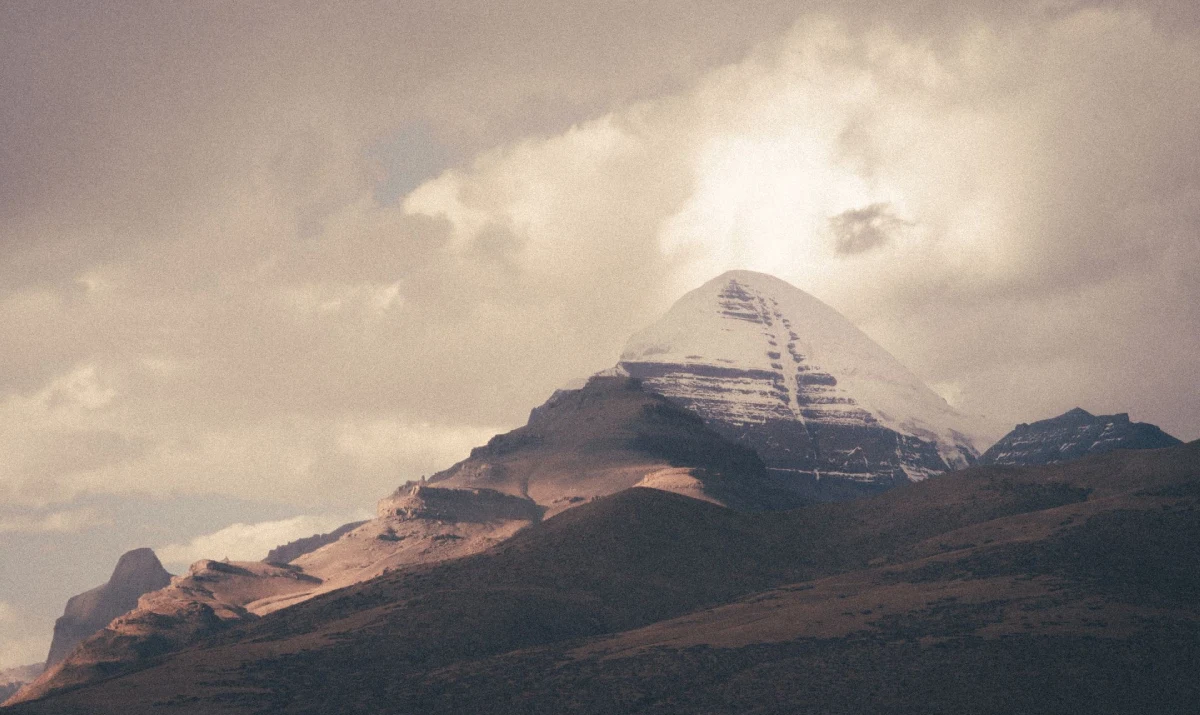
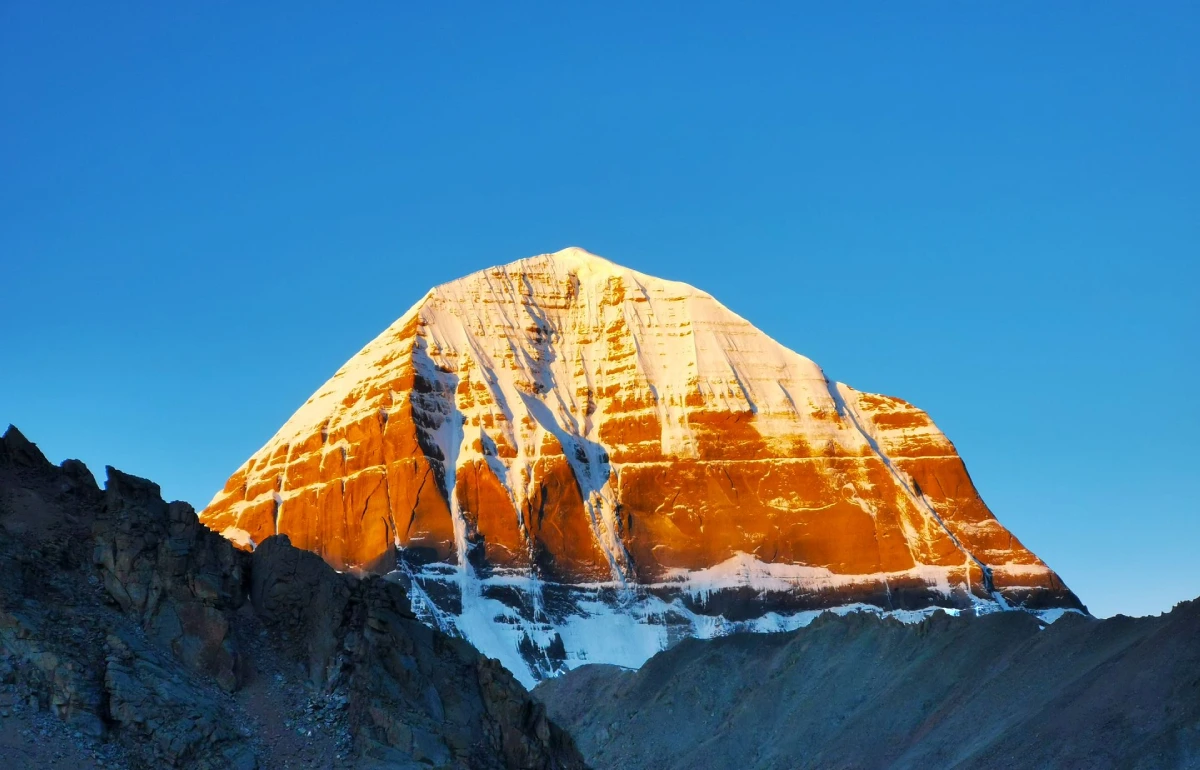
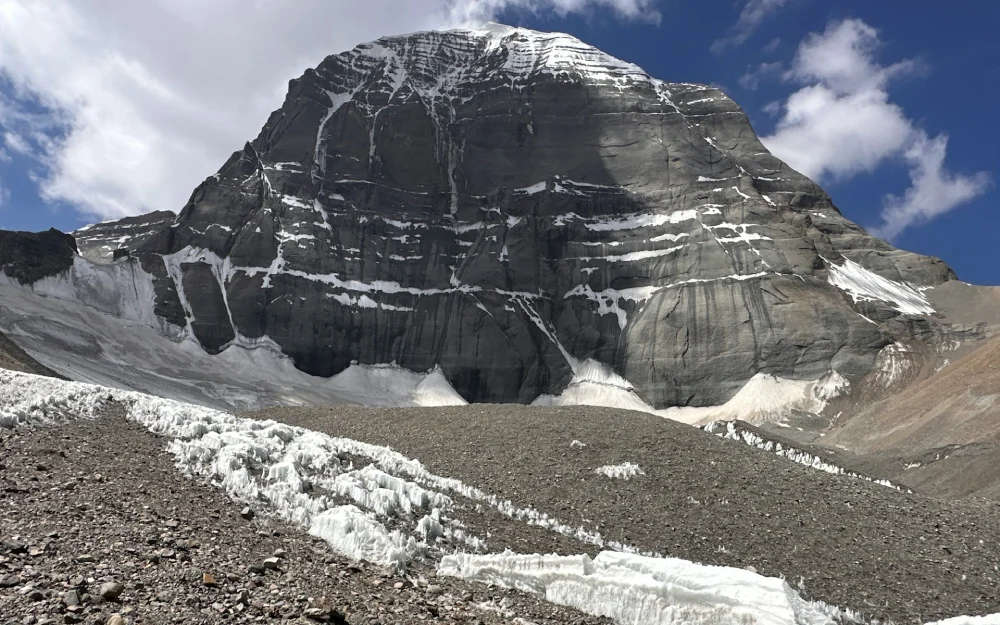
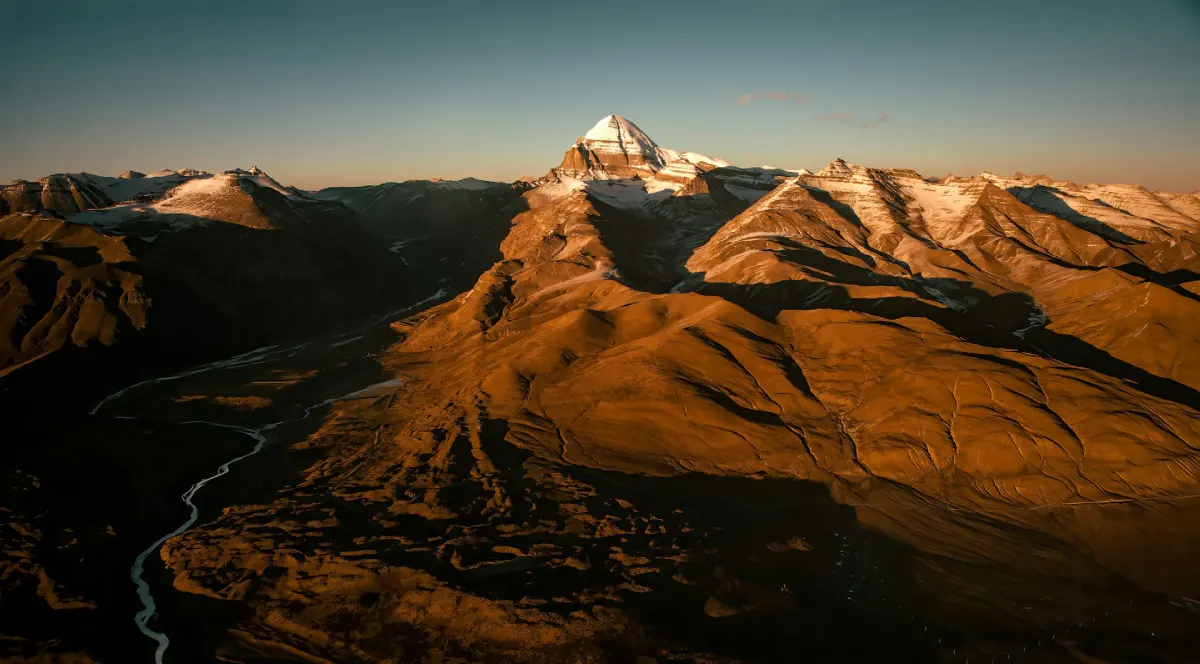
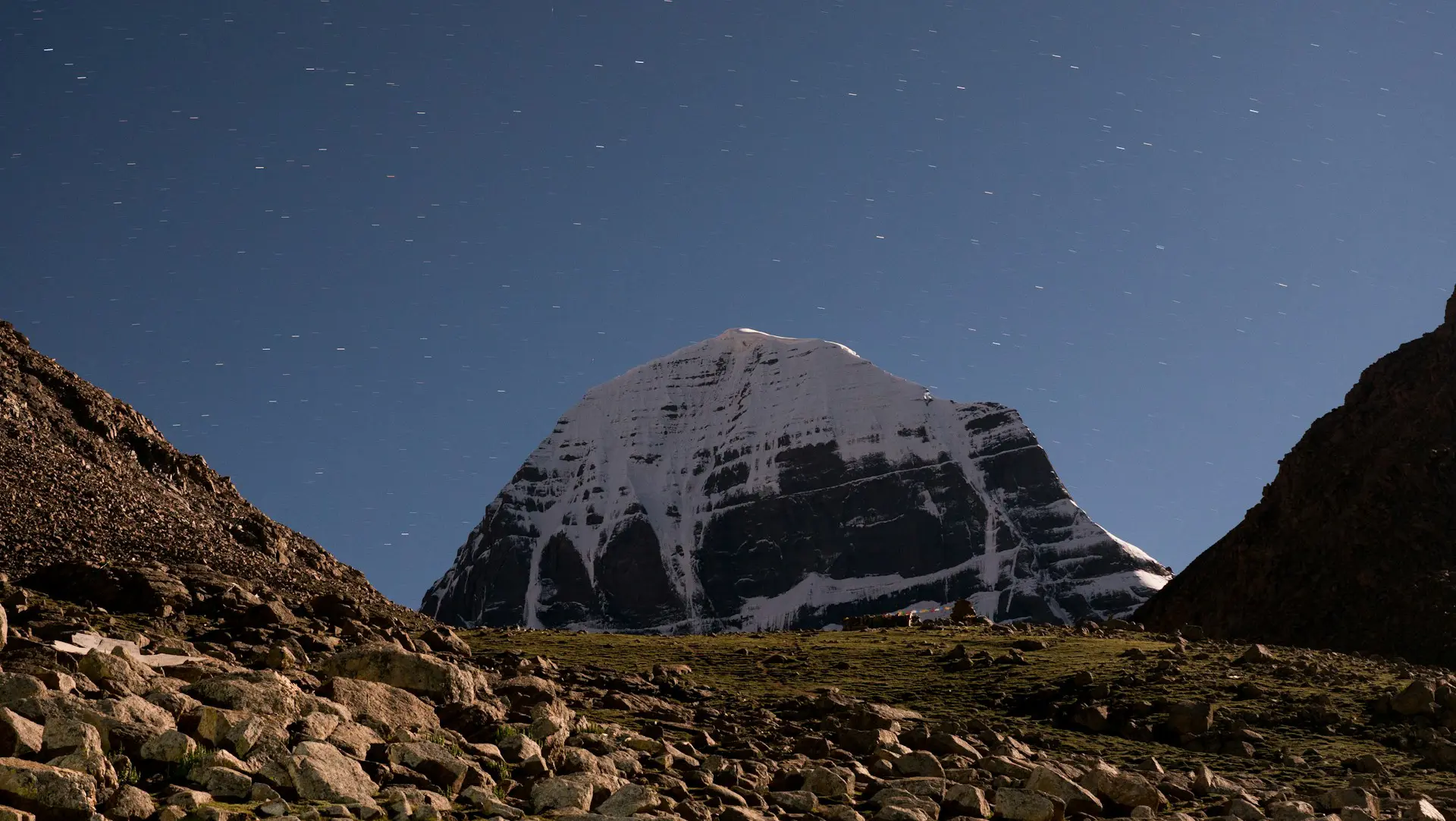
Standing at 6,638 meters (21,778 feet), Mount Kailash rises dramatically above the Tibetan Plateau. Although it is not among the world’s tallest mountains, it is considered one of the most spiritually significant.

Its nearly symmetrical, pyramid-shaped peak has remained unclimbed due to its sacred status. For centuries, pilgrims have believed that completing the Kailash Kora brings blessings, spiritual purification, and liberation from the cycle of rebirth.

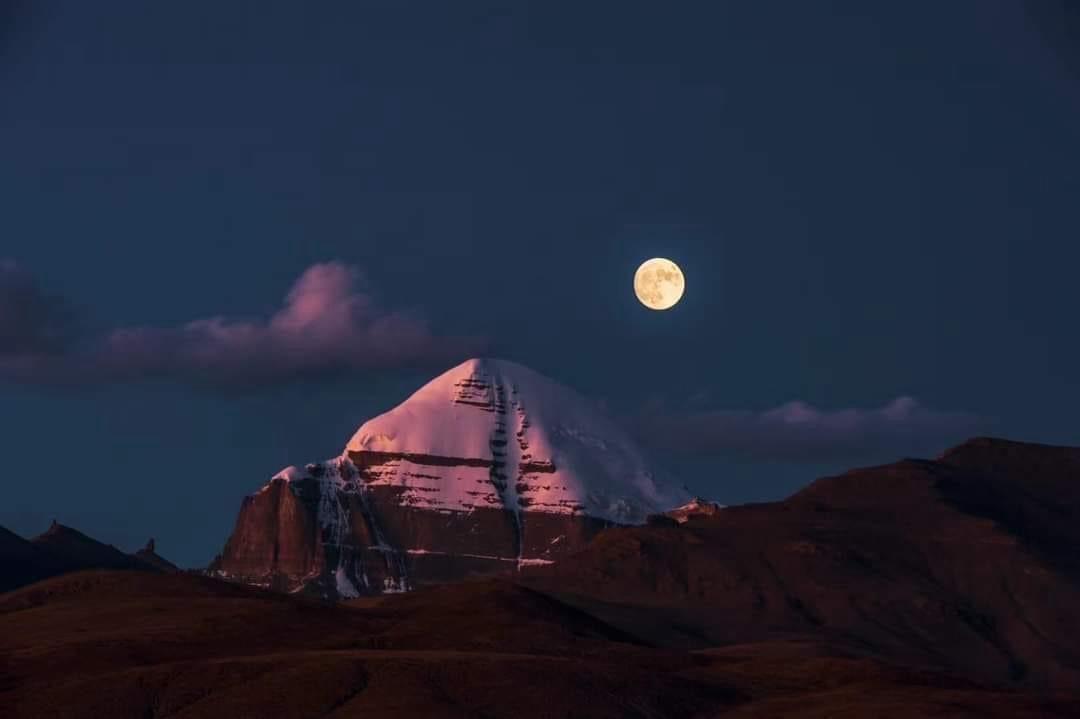
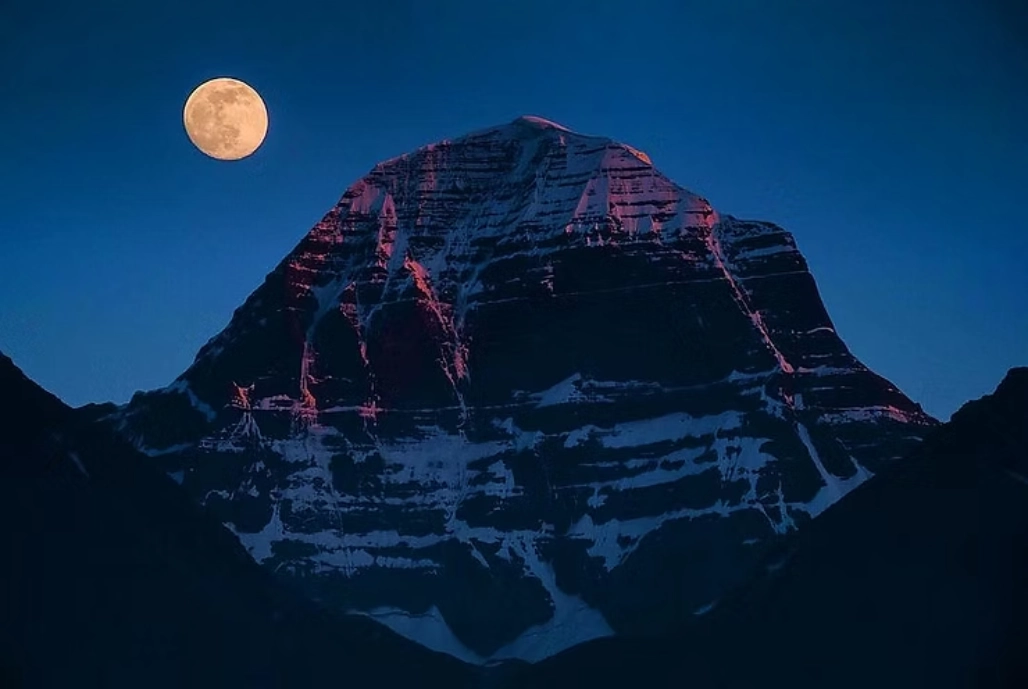
The mountain’s striking appearance, often capped with snow that glistens in the sunlight, creates an unforgettable sight that leaves a lasting impression on visitors.

Religious Significance

Hinduism

In Hindu tradition, Mount Kailash is believed to be the divine abode of Lord Shiva and Goddess Parvati. Pilgrims believe that visiting Kailash and bathing in Lake Mansarovar can wash away sins and bring spiritual liberation.

Buddhism

For Buddhists, Mount Kailash is associated with Demchok (Chakrasamvara), representing supreme bliss and enlightenment. Tibetan Buddhists perform the Kora while chanting prayers and spinning prayer wheels as acts of devotion.

Jainism

Followers of Jainism believe that Rishabhadeva, the first Tirthankara, attained liberation near Mount Kailash, making it a place of profound spiritual importance.

Bon Religion

Practitioners of the ancient Bon religion also regard Mount Kailash as their most sacred mountain and have undertaken pilgrimages here for centuries.

This shared reverence among multiple faiths makes Kailash one of the few pilgrimage destinations that unites diverse religious traditions.

The Sacred Lake Mansarovar

Located at an altitude of approximately 4,590 meters, Lake Mansarovar is one of the world’s highest freshwater lakes.

Its crystal-clear turquoise waters beautifully reflect Mount Kailash, creating one of the most iconic landscapes in Tibet.

According to Hindu belief, the lake was first conceived in the mind of Brahma, which is why it is considered exceptionally pure and sacred. Many pilgrims perform ritual bathing or collect its water to take home as a blessing.

Beyond its religious significance, Lake Mansarovar offers a peaceful atmosphere where visitors often spend time meditating, praying, or simply appreciating the silence and grandeur of the Himalayan landscape.

The lake’s beauty changes throughout the day, with sunrise and sunset painting the surrounding mountains in shades of gold, pink, and deep blue.

Kailash Mansarovar Overland Tour Highlights

The overland journey is filled with memorable experiences that extend far beyond reaching Mount Kailash.

Kathmandu Exploration

Your adventure begins in Nepal’s vibrant capital, where ancient temples, bustling markets, and centuries-old cultural heritage provide a fascinating introduction to the journey ahead.

Scenic Himalayan Drive

Travel through winding mountain roads, lush valleys, and dramatic landscapes before crossing into Tibet.

Kerung

The charming border town of Kerung serves as an ideal acclimatization stop. Surrounded by green hills and snow-covered peaks, it offers a gentle introduction to Tibet’s high-altitude environment.

The Tibetan Plateau

Driving across the Tibetan Plateau is one of the tour’s most unforgettable experiences. Endless grasslands, snow-covered mountain ranges, crystal-clear rivers, and wide-open skies create a landscape unlike anywhere else on Earth.

Saga

Saga is an important overnight stop where travelers continue acclimatizing while experiencing the unique culture and hospitality of western Tibet.

Lake Mansarovar

Witnessing the tranquil beauty of Lake Mansarovar is often an emotional highlight of the journey. Many pilgrims participate in prayers, meditation, and religious ceremonies along its shores.

Darchen

This small Tibetan town serves as the base camp for the Kailash Kora and marks the beginning of the pilgrimage around the sacred mountain.

Yam Dwar

Known as the “Gateway of the God of Death,” Yam Dwar symbolizes the spiritual entrance to the Kailash Kora. Pilgrims begin their sacred walk from this revered site with prayers and devotion.

Mount Kailash Kora

Walking around Mount Kailash is considered the spiritual heart of the journey. Every step offers magnificent mountain scenery and opportunities for reflection and personal growth.

Dolma La Pass

At 5,630 meters, Dolma La Pass is the highest point of the pilgrimage. Although physically demanding, reaching the pass is one of the most rewarding achievements for pilgrims.

Gauri Kund

Located below Dolma La Pass, this sacred emerald-colored lake is associated with Goddess Parvati and is revered in Hindu tradition.

Stunning Himalayan Sunrises

Throughout the tour, you’ll witness spectacular sunrises and sunsets illuminating Mount Kailash, Lake Mansarovar, and the surrounding Tibetan Plateau—moments that remain etched in memory long after the journey ends.

Route Map and Driving Distances

The overland route follows a carefully planned path through Nepal and Tibet.

Route Approximate Distance
Kathmandu → Kerung Border 145 km
Kerung → Saga 230 km
Saga → Lake Mansarovar 450 km
Lake Mansarovar → Darchen 35 km
Darchen → Yam Dwar 8 km
Kailash Kora 52 km
Return via Saga and Kerung Same Route

The entire round-trip journey covers well over 1,800 kilometers, offering a remarkable cross-section of Himalayan and Tibetan landscapes.

Kailash Kora (Parikrama) Explained

The Kailash Kora, also known as the Parikrama, is the spiritual centerpiece of the pilgrimage. Rather than climbing Mount Kailash—which is prohibited due to its sacred status—pilgrims walk around the mountain in a clockwise direction (anti-clockwise for followers of the Bon tradition).

The circuit is approximately 52 kilometers (32 miles) long and is traditionally completed over three days.

Day 1 of the Kora

The first day involves a gradual trek from Darchen to Dirapuk. This section is relatively easy and offers stunning views of Mount Kailash’s north face.

Day 2 of the Kora

The second day is the most demanding, as pilgrims cross Dolma La Pass (5,630 m). The steep ascent, high altitude, and long walking hours make this the most physically challenging stage.

Despite the effort, many travelers describe it as the most meaningful part of the pilgrimage.

Day 3 of the Kora

The final section descends through a beautiful valley before returning to Darchen. Completing the circuit is considered a profound spiritual achievement.

Can You Skip the Kora?

Yes. Travelers who are unable to complete the trek due to age, health conditions, or personal preference can remain in Darchen while the rest of the group performs the Kora.

This flexibility makes the overland tour accessible to a wider range of pilgrims.

Horse and Porter Services

Pilgrims who need assistance during the trek can usually hire:

  • Horses or ponies for riding
  • Local porters to carry luggage
  • Personal daypacks carried separately

These services are especially helpful for senior travelers or those concerned about the physical demands of high-altitude trekking.

Best Time for Kailash Mansarovar Overland Tour

Choosing the right season can greatly enhance your experience. Weather conditions, road accessibility, and visibility all vary throughout the year.

Spring (April to May)

Spring is one of the best seasons for the Kailash Mansarovar Overland Tour. Temperatures are relatively mild, skies are often clear, and mountain views are spectacular. The roads are generally in good condition after winter, making travel more comfortable.

Ideal for:

  • Pleasant weather
  • Photography
  • Comfortable sightseeing
  • Pilgrims seeking fewer crowds

Summer (June to August)

Summer brings warmer daytime temperatures and lush scenery across parts of Tibet. Although occasional rainfall can occur on the Nepal side of the journey, the Tibetan Plateau typically remains much drier.

This period also coincides with the renowned Saga Dawa Festival, one of the holiest celebrations in Tibetan Buddhism. Pilgrims from across Tibet gather around Mount Kailash to commemorate the birth, enlightenment, and passing of the Buddha. Experiencing this festival adds a unique cultural and spiritual dimension to the pilgrimage.

Ideal for:

  • Cultural immersion
  • Festival experiences
  • Longer daylight hours

Autumn (September to October)

Autumn is widely regarded as the finest season for the overland tour. Stable weather, crisp air, and exceptional visibility create ideal conditions for both sightseeing and the Kailash Kora.

The surrounding mountains often appear especially vivid after the summer season, making this a favorite time for photographers and nature enthusiasts.

Ideal for:

  • Clear mountain views
  • Comfortable trekking temperatures
  • Excellent road conditions
  • Photography

Seasonal Weather Overview

Season Temperature Visibility Recommended
April–May Cool to Mild Excellent ★★★★★
June–August Mild to Warm Good ★★★★☆
September–October Cool Outstanding ★★★★★

Travel Tip: Regardless of the season, temperatures can drop well below freezing at night in high-altitude areas. Layered clothing, insulated outerwear, gloves, and a warm sleeping layer are essential for comfort throughout the journey.

Tibet Visa and Travel Permits

Traveling to Mount Kailash requires several official permits in addition to a valid passport.

Your tour operator generally handles all permit arrangements, making the process straightforward for travelers.

Chinese Group Visa

Unlike regular Chinese tourist visas, pilgrims entering Tibet from Nepal require a Chinese Group Visa, which is issued in Kathmandu.

Travelers usually need to remain in Kathmandu for a few days while the visa is processed.

Tibet Travel Permit

Every foreign visitor traveling to Tibet must obtain a Tibet Travel Permit before entering the region.

This document is arranged through an authorized Tibetan travel agency.

Alien’s Travel Permit

Because Mount Kailash is located in a restricted area of Tibet, an additional travel permit is required beyond the standard Tibet Travel Permit.

Your tour operator obtains this permit before the journey begins.

Passport Requirements

Your passport should:

  • Be valid for at least six months
  • Have sufficient blank pages
  • Be in good physical condition

Any damaged passports may delay visa processing.

Physical Fitness and Altitude Considerations

One of the most common questions travelers ask is whether they are physically capable of completing the Kailash Mansarovar pilgrimage.

The good news is that many people successfully complete the tour each year with proper preparation and realistic expectations.

Highest Altitude

The highest point of the pilgrimage is:

Dolma La Pass
 5,630 meters (18,471 feet)

At this altitude, oxygen levels are significantly lower than at sea level, making physical activity more demanding.

Understanding Altitude Sickness

Some travelers may experience mild symptoms of altitude sickness, including:

  • Headache
  • Fatigue
  • Loss of appetite
  • Difficulty sleeping
  • Mild dizziness
  • Shortness of breath during exertion

Most symptoms improve with proper acclimatization, hydration, and rest.

Fitness Recommendations

You don’t need to be a professional trekker, but preparing your body before departure makes the experience more enjoyable.

Recommended activities include:

  • Walking 5–10 kilometers several times a week
  • Climbing stairs
  • Light jogging
  • Cycling
  • Yoga and breathing exercises
  • Strengthening leg muscles

Starting a fitness routine at least 6–8 weeks before departure is ideal.

Who Should Consult a Doctor?

Travelers with the following conditions should seek medical advice before booking:

  • Heart disease
  • Chronic lung conditions
  • Uncontrolled high blood pressure
  • Recent major surgery
  • Severe asthma

Always carry any prescribed medications and inform your tour leader of important medical conditions.

Accommodation and Meals

Accommodation during the journey varies between Nepal and Tibet.

Kathmandu

Travelers usually stay in comfortable 3-star to 5-star hotels with private bathrooms, Wi-Fi, restaurants, and modern facilities.

Tibet

Hotels and guesthouses are generally simple but comfortable.

Facilities often include:

  • Twin-sharing rooms
  • Heated dining areas (where available)
  • Shared or private bathrooms depending on the location
  • Basic electricity supply

Accommodation becomes more basic during the Kailash Kora due to the remote mountain environment.

Food During the Tour

Most tour operators provide freshly prepared meals throughout the Tibet portion of the trip.

Common meals include:

Breakfast:

  • Bread
  • Eggs
  • Porridge
  • Tea
  • Coffee

Lunch and Dinner:

  • Rice
  • Noodles
  • Vegetable dishes
  • Lentils
  • Soup
  • Chicken or yak meat (where available)

Vegetarian meals are widely available and preferred by many pilgrims.

Drinking Water

Always drink purified or bottled water.

Many travelers also carry reusable bottles with portable water purification tablets or filters.

Transportation During the Tour

Transportation is provided in well-maintained tourist vehicles suitable for Tibetan road conditions.

Depending on group size, transportation may include:

  • Toyota Land Cruisers
  • Luxury 4WD vehicles
  • Tourist minibuses
  • Comfortable coaches

Road conditions have improved considerably in recent years, making the overland route more comfortable than ever before.

Daily driving distances are balanced with sightseeing and acclimatization stops.

Photography and Internet Access

The Kailash Mansarovar Overland Tour offers countless photography opportunities, from snow-covered peaks and sacred lakes to colorful monasteries and wildlife on the Tibetan Plateau.

Keep these tips in mind:

  • Bring extra camera batteries, as cold temperatures reduce battery life.
  • Carry sufficient memory cards for high-resolution photos.
  • Respect photography restrictions at monasteries and military areas.
  • Ask for permission before photographing local people.

Internet and mobile connectivity are available in larger towns like Kerung and Saga but become limited near Mount Kailash and along the Kora. Consider informing family and friends in advance that communication may be intermittent.

Responsible and Respectful Pilgrimage

Mount Kailash and Lake Mansarovar are among the world’s most sacred destinations. Respecting local traditions and protecting the fragile Himalayan environment are essential responsibilities for every traveler.

Follow Local Customs

Dress modestly, respect religious ceremonies, and follow your guide’s instructions at monasteries and sacred sites.

Protect the Environment

Carry reusable water bottles whenever possible, avoid littering, and dispose of waste responsibly. Leave the landscapes exactly as you found them so future pilgrims can enjoy the same pristine environment.

Respect Wildlife

Observe animals from a distance and avoid disturbing their natural habitat.

Support Local Communities

Buying locally made handicrafts or using local services helps support families living in remote Tibetan regions.

A respectful approach not only enriches your own experience but also helps preserve the cultural and spiritual heritage of Mount Kailash for generations to come.

Who Should Choose the Kailash Mansarovar Overland Tour?

This tour is ideal for:

  • Hindu pilgrims seeking a sacred Yatra
  • Buddhist practitioners on a spiritual journey
  • Adventure travelers interested in high-altitude road trips
  • Nature lovers who appreciate dramatic Himalayan landscapes
  • Photographers looking for unique mountain scenery
  • Families with good preparation
  • Senior travelers who prefer gradual acclimatization over rapid ascent
  • First-time visitors to Tibet

Frequently Asked Questions

Is the Kailash Mansarovar Overland Tour difficult?

The tour is considered moderately challenging due to the high altitude. The most demanding section is the three-day Kailash Kora, especially the ascent to Dolma La Pass.

How many days does the tour take?

Most overland tours last 13 to 15 days, depending on the itinerary and road conditions.

What is the best time to visit?

The best months are April to June and September to October, when the weather is generally stable and mountain views are at their clearest.

Can beginners complete the Kailash Kora?

Yes. With reasonable fitness, proper acclimatization, and a steady pace, many first-time trekkers successfully complete the Kora.

Can senior citizens join?

Many senior pilgrims participate each year. However, they should consult their doctor before traveling and carefully consider the physical demands of high-altitude trekking.

Is vegetarian food available?

Yes. Vegetarian meals are widely available and are commonly chosen by pilgrims during the journey.

Do I need travel insurance?

Yes. Comprehensive travel insurance covering high-altitude trekking, emergency medical treatment, and evacuation is strongly recommended.

Can I hire a horse?

Yes. Horses and local porters are usually available for hire during the Kailash Kora, subject to availability.

Final Thoughts

The Kailash Mansarovar Overland Tour is far more than a vacation—it’s a journey that combines faith, adventure, culture, and some of the most spectacular scenery on Earth. From the vibrant streets of Kathmandu to the vast Tibetan Plateau, the tranquil shores of Lake Mansarovar, and the awe-inspiring presence of Mount Kailash, every stage of the pilgrimage offers moments of reflection, discovery, and personal growth.

Choosing the overland route allows travelers to acclimatize gradually, experience authentic Tibetan culture, and fully appreciate the dramatic landscapes that make this region so unique. While the journey requires preparation and determination, the rewards are immeasurable for pilgrims, photographers, and adventure seekers alike.

If you’re planning your Kailash Mansarovar Overland Tour, book with an experienced and licensed operator, prepare physically in advance, arrange comprehensive travel insurance, and pack thoughtfully for high-altitude conditions. With careful planning and the right support, you’ll be ready to undertake one of the world’s most meaningful and unforgettable pilgrimages.

Whether your goal is spiritual fulfillment, cultural exploration, or witnessing one of the Himalayas’ most sacred destinations, the Kailash Mansarovar Overland Tour promises an experience that will stay with you long after you return home.

Spiritual Significance of Mount Kailash

Rising majestically in the remote Tibetan Plateau, Mount Kailash is one of the most revered spiritual destinations on Earth. Standing at 6,638 meters (21,778 feet), this sacred mountain attracts thousands of pilgrims, spiritual seekers, and adventurers every year. Unlike other Himalayan peaks, Mount Kailash remains unclimbed, preserving its divine status and mystical aura.

For centuries, devotees from Hinduism, Buddhism, Jainism, and Bon have considered Mount Kailash a holy place where heaven and earth connect. Many believe the mountain radiates powerful spiritual energy capable of transforming the lives of those who visit it. Whether viewed through the lens of religion, mythology, or personal spiritual growth, Mount Kailash continues to inspire awe and devotion.

We would explore the spiritual significance of Mount Kailash, its role in different faiths, and why it remains one of the world’s most sacred pilgrimage destinations.

What Makes Mount Kailash Spiritually Significant?

The Sacred Mountain Beyond Physical Beauty

Mount Kailash is not merely a mountain; it is a symbol of divine consciousness and spiritual awakening. Its near-perfect pyramid shape, snow-covered summit, and isolated location have inspired myths and religious traditions for thousands of years.

Unlike many pilgrimage destinations that are associated with a single religion, Mount Kailash holds spiritual importance across multiple faiths. This unique status has earned it the reputation of being a universal sacred mountain.

Many pilgrims report experiencing a profound sense of peace, clarity, and inner transformation while visiting the region. The mountain’s untouched nature and spiritual atmosphere create an environment ideal for reflection and self-discovery.

Mount Kailash as the Axis Mundi

Ancient traditions describe Mount Kailash as the Axis Mundi, or the center of the universe. In many spiritual philosophies, the Axis Mundi represents the connection between the earthly realm and the divine world.

The mountain symbolizes:

  • The meeting point of heaven and earth
  • The center of spiritual energy
  • The pathway to enlightenment
  • The cosmic balance of creation

This symbolism contributes significantly to the spiritual importance of Mount Kailash across different cultures.

Mount Kailash Mansarovar trip
Photo Credit: Ravi Pothukuchy, USA

Spiritual Significance of Mount Kailash in Hinduism

Abode of Lord Shiva

In Hinduism, Mount Kailash is regarded as the eternal residence of Lord Shiva and Goddess Parvati. According to Hindu scriptures, Shiva resides atop Kailash in a state of deep meditation while governing the cosmic cycle of creation, preservation, and destruction.

For millions of Hindus, visiting Mount Kailash is a lifelong spiritual aspiration. The mountain represents the highest state of consciousness and the ultimate goal of spiritual realization.

Symbol of Cosmic Consciousness

Lord Shiva embodies transcendence, wisdom, and liberation. Since Mount Kailash is believed to be Shiva’s home, the mountain symbolizes:

  • Inner peace
  • Self-realization
  • Spiritual discipline
  • Liberation from worldly attachments

Pilgrims often meditate and chant sacred mantras such as “Om Namah Shivaya” during their journey to deepen their connection with divine consciousness.

Importance of Kailash Yatra for Hindus

The Kailash Yatra is considered one of the most sacred pilgrimages in Hinduism. Devotees believe that undertaking this journey helps:

  • Purify accumulated karma
  • Strengthen devotion
  • Attain spiritual merit
  • Move closer to Moksha (liberation)

Many pilgrims describe the experience as life-changing and spiritually uplifting.

Spiritual Significance of Mount Kailash in Buddhism

Mount Kailash as Kang Rinpoche

In Tibetan Buddhism, Mount Kailash is known as Kang Rinpoche, meaning “Precious Snow Jewel.”

Buddhists regard the mountain as the dwelling place of Demchok (Chakrasamvara), a deity who represents supreme bliss and enlightenment.

Association with Demchok

Demchok symbolizes the union of wisdom and compassion. Buddhist teachings emphasize overcoming ignorance and achieving enlightenment through inner transformation.

The mountain serves as a powerful reminder of these spiritual principles.

Sacred Kora (Circumambulation)

One of the most important Buddhist practices associated with Mount Kailash is the Kora, or circumambulation of the mountain.

Pilgrims walk approximately 52 kilometers around the sacred peak while reciting prayers and mantras.

According to Buddhist beliefs:

  • One Kora removes the sins of a lifetime.
  • Ten Koras bring great spiritual merit.
  • One hundred and eight Koras may lead to enlightenment.

The journey represents a path of purification and personal transformation.

Spiritual Significance of Mount Kailash in Jainism

Connection with Lord Rishabhdev

Jains consider Mount Kailash sacred because it is associated with Lord Rishabhdev, the first Tirthankara.

According to Jain tradition, Lord Rishabhdev attained liberation near Mount Kailash. This event makes the mountain one of the most important pilgrimage sites in Jainism.

Significance for Jain Pilgrims

For Jain devotees, Mount Kailash symbolizes:

  • Spiritual liberation
  • Self-discipline
  • Renunciation
  • Purity of thought and action

Pilgrims visit the region to honor the teachings of Lord Rishabhdev and seek inspiration for their own spiritual journeys.

Mount Kailash in the Bon Religion

Sacred Mountain of the Ancient Bon Tradition

Before Buddhism spread across Tibet, the Bon religion regarded Mount Kailash as its most sacred mountain.

Bon practitioners believe the mountain is the seat of spiritual power and the dwelling place of various deities and protective spirits.

Spiritual Practices and Pilgrimage

Unlike Buddhist pilgrims who walk clockwise around the mountain, Bon followers traditionally perform the pilgrimage in a counterclockwise direction.

Their rituals focus on:

  • Harmony with nature
  • Spiritual protection
  • Ancestral traditions
  • Connection with sacred energies

The enduring presence of Bon traditions highlights Mount Kailash’s ancient spiritual heritage.

Mount Kailash and the Concept of Spiritual Energy

The Mountain as a Source of Divine Energy

Many spiritual seekers believe Mount Kailash emits unique energy that affects both the mind and spirit.

Although these beliefs cannot be scientifically proven, countless visitors report feeling:

  • Deep inner peace
  • Heightened awareness
  • Emotional healing
  • Greater spiritual clarity

The mountain’s remote setting and sacred atmosphere contribute to these experiences.

Experiences Shared by Pilgrims

Pilgrims often describe:

  • Powerful meditation sessions
  • Intense emotional release
  • Renewed purpose in life
  • Increased faith and devotion

These personal experiences reinforce the mountain’s reputation as a place of spiritual transformation.

Mystical Phenomena Associated with Mount Kailash

Several legends surround Mount Kailash, including stories of:

  • Miraculous visions
  • Unusual spiritual experiences
  • Encounters with divine beings
  • Extraordinary states of consciousness

While interpretations vary, these stories continue to fascinate pilgrims and researchers alike.

The Spiritual Significance of Kailash Parikrama (Kora)

What is the Kailash Parikrama?

The Kailash Parikrama is a sacred pilgrimage route that circles Mount Kailash.

The trek typically takes three days and is considered the most spiritually rewarding part of the Kailash Yatra.

Symbolism of the Journey

The Parikrama represents a symbolic journey through life.

Each step encourages pilgrims to:

  • Let go of ego
  • Release negative emotions
  • Practice humility
  • Develop inner strength

The challenging terrain mirrors the obstacles encountered on the path to spiritual growth.

Significance of Dolma La Pass

At an altitude of approximately 5,630 meters, Dolma La Pass is the highest point of the Parikrama.

Spiritually, it represents:

  • Death of the old self
  • Rebirth into higher awareness
  • Transformation of consciousness

Crossing this sacred pass is often considered the most profound moment of the pilgrimage.

perfect view of Lake Mansarovar and Mount Kailash

Connection Between Mount Kailash and Lake Manasarovar

Why Lake Manasarovar is Considered Sacred

Located near Mount Kailash, Lake Manasarovar is one of the highest freshwater lakes in the world and among the holiest.

Hindu mythology states that the lake was first conceived in the mind of Lord Brahma before being manifested on Earth.

Spiritual Practices Around the Lake

Pilgrims perform various spiritual activities at Lake Manasarovar, including:

  • Meditation
  • Prayer ceremonies
  • Ritual bathing
  • Mantra chanting

The serene surroundings provide a perfect environment for spiritual reflection.

Combined Significance of Kailash and Manasarovar

Together, Mount Kailash and Lake Manasarovar represent:

  • Divine masculine and feminine energies
  • Physical and spiritual purification
  • The union of body, mind, and soul

Many pilgrims believe a complete Kailash Mansarovar Yatra offers the highest spiritual rewards.

Spiritual Lessons Learned from Mount Kailash

Humility and Surrender

The vastness of the Himalayas reminds visitors of their small place within the universe. This realization fosters humility and spiritual surrender.

Inner Peace and Self-Reflection

Away from modern distractions, pilgrims gain opportunities to reflect on their lives and reconnect with their inner selves.

Detachment from Material Desires

The simplicity of the journey encourages participants to focus on spiritual values rather than material possessions.

Awakening of Higher Consciousness

Many visitors return home with:

  • Greater self-awareness
  • Improved mindfulness
  • Stronger spiritual beliefs
  • A deeper sense of purpose


Why Spiritual Seekers from Around the World Visit Mount Kailash

Quest for Enlightenment

Mount Kailash attracts individuals searching for deeper meaning and spiritual wisdom.

Search for Inner Transformation

Many travelers embark on the pilgrimage during major life transitions, hoping to gain clarity and healing.

Meditation and Personal Growth

The mountain’s peaceful environment supports:

  • Meditation retreats
  • Mindfulness practices
  • Spiritual exploration

Experiencing Sacred Himalayan Energy

The combination of breathtaking landscapes and sacred traditions creates an atmosphere unlike any other pilgrimage destination.

Spiritual Benefits of Visiting Mount Kailash

Pilgrims often report experiencing numerous spiritual benefits, including:

Purification of Mind and Soul

  • Release of negative emotions
  • Increased mental clarity
  • Greater emotional balance

Strengthened Faith and Devotion

  • Deeper religious connection
  • Renewed spiritual commitment

Enhanced Meditation Experience

  • Improved concentration
  • Greater awareness during practice

Greater Self-Awareness and Spiritual Growth

  • Personal transformation
  • Expanded perspective on life
  • Stronger sense of purpose

Myths, Legends, and Sacred Stories of Mount Kailash

Hindu Legends of Lord Shiva

Hindu mythology describes Mount Kailash as Shiva’s eternal abode, where he meditates and guides the universe.

Buddhist Stories and Symbolism

Buddhist traditions tell stories of enlightened masters who gained profound wisdom while meditating near Kailash.

Jain and Bon Traditions

Both Jain and Bon teachings contain sacred narratives that emphasize the mountain’s role in spiritual liberation and divine power.

Mysteries That Continue to Fascinate Pilgrims

Mount Kailash remains surrounded by mystery, contributing to its enduring appeal and spiritual significance.

Conclusion

The spiritual significance of Mount Kailash extends far beyond its towering presence in the Himalayas. For thousands of years, it has served as a sacred destination where pilgrims seek enlightenment, purification, and divine connection. Revered by Hindus, Buddhists, Jains, and followers of the Bon tradition, Mount Kailash stands as a powerful symbol of faith, transformation, and spiritual unity.

Whether through the challenging Kailash Parikrama, meditation beside Lake Manasarovar, or simply witnessing the mountain’s majestic beauty, visitors often experience profound inner change. As one of the most sacred places on Earth, Mount Kailash continues to inspire spiritual seekers from around the world, offering a timeless reminder of humanity’s search for meaning, peace, and higher consciousness.

Frequently Asked Questions About the Spiritual Significance of Mount Kailash

Why is Mount Kailash considered sacred?

Mount Kailash is sacred because it is revered by Hinduism, Buddhism, Jainism, and Bon as a place of divine presence and spiritual power.

Can anyone climb Mount Kailash?

No. Climbing Mount Kailash is prohibited out of respect for its religious significance.

What is the spiritual significance of Kailash Parikrama?

The Parikrama symbolizes spiritual purification, self-discovery, and the journey toward enlightenment.

What religions consider Mount Kailash holy?

Hinduism, Buddhism, Jainism, and Bon all regard Mount Kailash as a sacred site.

What are the spiritual benefits of visiting Mount Kailash?

Visitors often experience inner peace, strengthened faith, emotional healing, and personal transformation.

Why is Lake Manasarovar important in the pilgrimage?

Lake Manasarovar is considered sacred because it symbolizes purity and spiritual cleansing.

Why Mount Kailash Is Sacred: Exploring the Spiritual Heart of the Himalayas

Mount Kailash is one of the most revered and mysterious mountains in the world. Rising majestically in the remote Tibetan Plateau, this sacred peak attracts thousands of pilgrims and spiritual seekers every year. Unlike other famous mountains that are admired for their climbing challenges, Mount Kailash is worshipped as a divine abode and remains unclimbed out of respect for its spiritual significance.

For centuries, people from different faiths have regarded Mount Kailash as a holy place. Hindus believe it is the home of Lord Shiva, Buddhists associate it with enlightenment, Jains consider it the site of liberation, and followers of the Bon religion view it as the center of spiritual power. This unique religious importance makes Mount Kailash one of the few places in the world that unites multiple faiths.

We will explore why Mount Kailash is sacred, its religious significance, the mysteries surrounding it, and why the Kailash Mansarovar Yatra continues to inspire millions of people worldwide.

Where Is Mount Kailash Located?

Mount Kailash is located in the Ngari region of western Tibet, an autonomous region of China. Standing at approximately 6,638 meters (21,778 feet), the mountain is not the tallest in the Himalayas, but it is undoubtedly one of the most spiritually significant.

Near Mount Kailash lies the sacred Lake Mansarovar, one of the highest freshwater lakes in the world. Another nearby lake, Rakshastal, is associated with powerful legends and mythology. Together, these sacred sites form the heart of the Kailash Mansarovar Yatra.

The mountain’s striking pyramid-like shape and snow-covered summit make it instantly recognizable. Many pilgrims describe their first glimpse of Mount Kailash as a life-changing experience.

Why Is Mount Kailash Considered Sacred?

The question of ” why Mount Kailash is sacred? ” has intrigued pilgrims, scholars, and spiritual seekers for thousands of years. Nestled in the remote Tibetan Plateau, this majestic mountain is far more than a geographical landmark. Across multiple religious traditions, Mount Kailash is regarded as a divine center of spiritual power and enlightenment.

Ancient beliefs describe Mount Kailash as the cosmic axis, or “Axis Mundi,” a sacred point where heaven, earth, and the spiritual realms intersect. Many traditions view it as the center of the universe, making it one of the holiest pilgrimage destinations in the world. Unlike other famous mountains that attract climbers and adventurers, Mount Kailash is revered as a place of worship and spiritual transformation.

Devotees believe the mountain radiates powerful spiritual energy that can inspire inner peace, self-discovery, and personal growth. Pilgrims who undertake the Kailash Mansarovar Yatra often speak of profound emotional and spiritual experiences during their journey. While science cannot verify these claims, the sense of devotion, reverence, and transformation reported by visitors continues to strengthen Mount Kailash’s reputation as one of the world’s most sacred and spiritually significant places.

Mount Kailash in Hinduism

The Abode of Lord Shiva

For Hindus, Mount Kailash holds immense religious significance because it is believed to be the eternal home of Lord Shiva and Goddess Parvati.

According to Hindu scriptures, Lord Shiva resides on Mount Kailash in a state of deep meditation. He represents creation, destruction, and transformation, making Kailash the ultimate spiritual destination for devotees.

Many Hindus dream of undertaking the Kailash Mansarovar Yatra at least once in their lifetime. They believe that visiting this sacred mountain brings blessings, spiritual purification, and liberation from the cycle of birth and death.

Importance of Lake Mansarovar

Lake Mansarovar is equally sacred in Hinduism. Ancient texts describe it as a divine lake created by Lord Brahma.

Pilgrims take holy baths in the lake and perform prayers on its shores. They believe the sacred waters wash away sins and help purify the soul.

The Spiritual Journey of Kailash Mansarovar Yatra

The pilgrimage is more than a physical journey. It is a spiritual quest that challenges participants mentally, emotionally, and physically. Many pilgrims return with a renewed sense of purpose and faith.

Mount Kailash in Buddhism

Mount Kailash also occupies a special place in Tibetan Buddhism.

Home of Demchok

Buddhists associate Mount Kailash with Demchok, also known as Chakrasamvara, a deity representing supreme bliss and enlightenment.

For Buddhist practitioners, the mountain symbolizes the path toward spiritual awakening and liberation from suffering.

The Sacred Kora

One of the most important rituals in Buddhism is the Kora, or circumambulation of Mount Kailash.

Pilgrims walk around the mountain in a clockwise direction while chanting prayers and spinning prayer wheels. The complete circuit measures approximately 52 kilometers and usually takes three days.

Buddhists believe completing one Kora cleanses accumulated negative karma, while multiple Koras generate even greater spiritual merit.

A Symbol of Enlightenment

The mountain serves as a powerful reminder of compassion, wisdom, and mindfulness. Many Buddhist practitioners travel long distances to meditate in its presence.

Mount Kailash in Jainism

Mount Kailash is equally important in Jainism.

Jains believe that Rishabhdev, the first Tirthankara, attained liberation near Mount Kailash at a place known as Ashtapada.

As a result, the mountain is considered one of the holiest pilgrimage destinations in the Jain tradition.

Jain pilgrims visit the region to honor the spiritual achievements of Rishabhdev and deepen their own commitment to nonviolence, truth, and self-discipline.

Mount Kailash in the Bon Religion

Before Buddhism spread across Tibet, the indigenous Bon religion already regarded Mount Kailash as sacred.

Followers of Bon consider the mountain the spiritual center of the universe and the seat of divine power.

According to Bon traditions, Mount Kailash is known as the Nine-Story Swastika Mountain, symbolizing eternal spiritual wisdom.

Unlike Buddhists and Hindus, Bon practitioners traditionally perform the Kora in a counterclockwise direction.

The continued presence of Bon traditions highlights the mountain’s ancient spiritual heritage and enduring significance.

Mysteries and Legends Surrounding Mount Kailash

One reason Mount Kailash fascinates people worldwide is the many mysteries associated with it.

The Unclimbed Sacred Peak

Unlike Mount Everest and other famous mountains, Mount Kailash has never been officially climbed.

Several mountaineers have expressed interest in attempting the summit, but climbing the mountain remains prohibited due to its religious importance.

Many believers argue that the sacred nature of the mountain should be preserved and respected.

Strange Stories and Local Beliefs

Numerous legends surround Mount Kailash. Some pilgrims claim that time seems to move differently near the mountain, while others describe unusual spiritual experiences.

Although these stories remain unverified, they contribute to the mountain’s mystical reputation.

A Universal Sacred Symbol

The fact that four major religious traditions revere the same mountain is remarkable. This shared respect strengthens Mount Kailash’s status as a universal symbol of spirituality.

The Spiritual Significance of Kailash Parikrama

The Kailash Parikrama, also known as the Kailash Kora, is one of the most important aspects of the pilgrimage.

What Is Kailash Parikrama?

The Parikrama involves walking around Mount Kailash on a challenging 52-kilometer route.

The trek passes through breathtaking landscapes, remote valleys, and high mountain passes.

Dolma La Pass

At an altitude of approximately 5,630 meters, Dolma La Pass represents the highest point of the pilgrimage.

Many pilgrims view crossing the pass as a symbolic death and rebirth. It signifies letting go of past burdens and embracing spiritual transformation.

Spiritual Rewards

According to traditional beliefs, completing one Parikrama removes the sins of a lifetime. Completing 108 circumambulations is said to bring enlightenment.

Whether taken literally or symbolically, the journey encourages deep reflection and personal growth.

The Sacred Connection Between Mount Kailash and Lake Mansarovar

Mount Kailash and Lake Mansarovar are often considered inseparable.

Together, they represent the union of masculine and feminine energies in spiritual traditions.

While Mount Kailash symbolizes strength, stability, and divine consciousness, Lake Mansarovar represents purity, wisdom, and compassion.

Pilgrims frequently spend time meditating beside the lake before beginning the Kailash Parikrama.

The calm waters and stunning mountain views create a powerful atmosphere for prayer and contemplation.

Why Pilgrims Travel From Around the World

The appeal of Mount Kailash extends far beyond Asia.

Every year, travelers from Europe, North America, Australia, and other parts of the world join the Kailash Mansarovar Yatra.

Search for Spiritual Growth

Many visitors come seeking answers to life’s deeper questions. The remote location, sacred environment, and challenging pilgrimage encourage self-discovery.

Connection With Nature

The untouched beauty of the Tibetan Plateau inspires awe and humility. Pilgrims often develop a stronger appreciation for nature and the interconnectedness of all life.

Cultural and Religious Interest

Some visitors come to learn about the traditions and beliefs associated with Mount Kailash. The pilgrimage offers a unique opportunity to experience living spiritual practices.

Can Mount Kailash Be Climbed?

One of the most frequently asked questions about the mountain is whether it can be climbed.

The answer is no.

Authorities prohibit climbing Mount Kailash out of respect for its sacred status. Religious leaders from multiple faiths support this decision.

Unlike many famous peaks, Mount Kailash is valued not as a mountaineering challenge but as a place of worship.

This preservation helps maintain the mountain’s spiritual integrity and protects an important cultural heritage site.

The Lasting Spiritual Legacy of Mount Kailash

Mount Kailash remains one of the most sacred places on Earth because it transcends religious boundaries. Hindus, Buddhists, Jains, and followers of the Bon religion all recognize its spiritual importance.

The mountain symbolizes devotion, enlightenment, liberation, and inner transformation. Combined with the sacred waters of Lake Mansarovar and the challenging Kailash Parikrama, it creates a pilgrimage unlike any other.

For many travelers, the Kailash Mansarovar Yatra is not simply a journey across mountains and valleys. It is a journey inward—a chance to reconnect with faith, discover inner peace, and experience one of the world’s most powerful spiritual destinations.

Whether viewed through the lens of religion, culture, or personal spirituality, Mount Kailash continues to inspire wonder and reverence. Its sacred presence has endured for thousands of years and will likely continue to guide pilgrims for generations to come.

Complete Guide to Mount Kailash Kora in Tibet

Mount Kailash is one of the most sacred mountains in the world and a dream pilgrimage destination for spiritual seekers, trekkers, and adventure travelers alike. Rising majestically in the remote western region of Tibet, Mount Kailash is believed to be the spiritual center of the universe in Hinduism, Buddhism, Jainism, and the Bon religion.

Every year, thousands of pilgrims travel to Tibet to complete the famous Mount Kailash Kora — a sacred circumambulation around the holy mountain. Unlike other Himalayan peaks, Mount Kailash has never been climbed because of its immense religious significance. Instead, devotees and travelers walk around the mountain as an act of devotion, purification, and spiritual awakening.

Mount Kailash Kora is not only a religious pilgrimage but also one of the most extraordinary high-altitude trekking experiences in the Himalayas. Surrounded by breathtaking landscapes, ancient monasteries, dramatic valleys, and snow-covered peaks, the journey offers both spiritual fulfillment and physical challenge.

In this complete guide to Mount Kailash Kora in Tibet, you will learn everything about the route, difficulty level, best time to visit, permits, altitude, itinerary, travel tips, and essential preparation for this life-changing journey.

What Is Mount Kailash Kora?

The word “Kora” in Tibetan refers to a sacred pilgrimage circuit around a holy site. In Hindu traditions, it is also called “Parikrama,” meaning circumambulation around a sacred object or place.
Mount Kailash Kora is a 52-kilometer pilgrimage trek around Mount Kailash that usually takes three days to complete. Pilgrims believe that completing one kora cleanses sins, while 108 koras can lead to spiritual enlightenment.

Distance and Duration of the Kora

The standard Outer Kora takes around 3 days to complete:

Total distance: approximately 52 km
Highest point: Dolma La Pass at 5,630 meters
Starting point: Darchen

There are two types of Kailash Kora:

Outer Kora

The most common pilgrimage route completed by most travelers and pilgrims.

Inner Kora

A far more difficult and restricted route requiring excellent physical condition and favorable weather conditions.

Where Is Mount Kailash Located?

Mount Kailash lies in the remote Ngari region of western Tibet near the sources of four major Asian rivers:

  • Indus River
  • Brahmaputra River
  • Sutlej River
  • Karnali River

The mountain stands at an elevation of approximately 6,638 meters (21,778 feet).

Darchen: Gateway to Mount Kailash

Darchen is the small Tibetan town that serves as the base camp for the Kailash Kora. Most pilgrims spend at least one night here before beginning the trek to acclimatize to the high altitude.
Basic guesthouses, hotels, restaurants, shops, and yak hiring services are available in Darchen.

Mount Kailash view from Tharboche

Spiritual Significance of Mount Kailash

Mount Kailash is one of the few places on Earth revered by multiple religions.

Significance in Hinduism

In Hinduism, Mount Kailash is believed to be the home of Lord Shiva and Goddess Parvati. Hindus consider Kailash the ultimate spiritual destination where divine energy resides.
Completing the Kailash Kora is believed to remove negative karma and bring spiritual liberation.

Importance in Buddhism

Buddhists believe Mount Kailash represents Mount Meru, the cosmic center of the universe. Tibetan Buddhists perform the kora clockwise while chanting prayers and spinning prayer wheels.

Jain and Bon Traditions

For followers of Jainism, Mount Kailash is linked to the first Tirthankara, Rishabhadeva. Bon practitioners, Tibet’s ancient spiritual tradition, also regard Kailash as their most sacred mountain.

Mount Kailash Kora Route Overview

The Kailash Kora is generally completed over three days.

Day 1: Darchen to Dirapuk

  • Trek distance: 18–20 km
  • Walking duration: 6–8 hours

The journey begins from Darchen and gradually ascends through beautiful valleys, prayer flag-covered landscapes, and river trails. Pilgrims pass through Yamadwar, also called the “Gateway of the God of Death,” which symbolizes leaving behind worldly attachments. The trail eventually reaches Dirapuk Monastery, offering spectacular views of the north face of Mount Kailash.

Day 2: Dirapuk to Zutulpuk via Dolma La Pass

This is the most difficult and spiritually significant day of the Kora.

  • Trek duration: 10–12 hours
  • Highest elevation: 5,630 meters

Pilgrims climb steeply toward Dolma La Pass, which is decorated with colorful Tibetan prayer flags. Near the pass lies Gauri Kund, a sacred lake associated with Hindu mythology. The descent toward Zutulpuk can be physically demanding because of rocky terrain and high altitude.

Day 3: Zutulpuk to Darchen

The final day is comparatively easy and follows river valleys and open plains back to Darchen. Completing the Kora is often described as an emotional and deeply spiritual achievement.

Inner Kora vs Outer Kora

Outer Kora

The Outer Kora is suitable for most trekkers with average fitness levels and proper acclimatization.

Features:

  • Standard pilgrimage route
  • 3-day trek
  • Less technical
  • Most popular among travelers

Inner Kora

The Inner Kora is extremely challenging and only recommended for experienced trekkers.

Challenges:

  • Higher altitude
  • Difficult terrain
  • Limited accessibility
  • Requires additional permits and guides

For first-time travelers, the Outer Kora is highly recommended.

Best Time for Mount Kailash Kora

The best seasons for Mount Kailash Kora are spring and autumn. Kailash Mansarovar Yatra 2026.

Spring (April to June)

Spring offers:

  • Pleasant weather
  • Clear mountain views
  • Comfortable trekking temperatures
  • Religious pilgrimage activities

Autumn (September to October)

Autumn is considered one of the best times because of:

  • Stable weather
  • Excellent visibility
  • Crisp mountain air

Months to Avoid

Winter (November to March)

Heavy snowfall and freezing temperatures make the route difficult.

Monsoon Season (July to August)

Road conditions can become unpredictable due to rainfall.

Mount Kailash Kora Difficulty Level

The Mount Kailash Kora is considered a moderate to challenging high-altitude trek.

Main Challenges

High Altitude

Most of the trek takes place above 4,500 meters, increasing the risk of altitude sickness.

Long Walking Hours

Pilgrims walk for several hours daily over rough terrain.

Dolma La Pass Crossing

Crossing Dolma La Pass is physically demanding because of steep ascents and thin air.

Altitude and Acclimatization

Altitude sickness is one of the biggest concerns during the Kailash Kora.

Common Symptoms

  • Headache
  • Dizziness
  • Nausea
  • Fatigue
  • Shortness of breath

Acclimatization Tips

  • Spend extra days acclimatizing in Tibet
  • Stay hydrated
  • Avoid alcohol
  • Walk slowly and steadily
  • Eat nutritious meals

Safety Measures

Most organized tours carry oxygen cylinders and first-aid supplies. Experienced Tibetan guides monitor travelers closely throughout the trek.

Permits and Travel Requirements for Tibet

Traveling to Mount Kailash requires several permits and official documentation. Know about the Requirements for Kailash Mansarovar Yatra

Tibet Travel Permit

Foreign travelers need a Tibet Travel Permit issued through a registered Tibetan tour agency.

Chinese Visa

Travelers entering Tibet from Nepal generally require a Chinese Group Visa.

Why Guided Tours Are Mandatory

Independent travel is not allowed in Tibet for foreign nationals. Travelers must book through authorized tour operators.

How to Reach Mount Kailash from Nepal

Most travelers begin their sacred Mount Kailash Kora journey from Kathmandu, the main gateway to Tibet for pilgrims visiting Mount Kailash and Lake Mansarovar. The most popular and widely preferred route is the overland journey via the Kerung border, which allows travelers to gradually acclimatize to the high altitude conditions of Tibet.

The classic overland itinerary usually follows the route from Kathmandu to Kerung, then continues through the remote Tibetan towns of Saga and Lake Mansarovar before finally reaching Darchen, the starting point of the Mount Kailash Kora. This route offers breathtaking Himalayan landscapes, Tibetan plateau scenery, and spiritual experiences along the way.

For travelers with limited time or those seeking a more comfortable option, helicopter tours to Mount Kailash are also available. These tours combine short flights with overland travel, significantly reducing travel duration while still allowing pilgrims to complete the sacred Mount Kailash Kora and visit the holy Lake Mansarovar.

Accommodation and Food During the Kora

Accommodation along the Kora route is basic but functional.

Guesthouses and Lodges

Travelers stay in:

  • Simple Tibetan guesthouses
  • Shared dormitories
  • Basic tea houses

Facilities are limited because of the remote location.

Meals During the Trek

Common meals include:

  • Tibetan noodles
  • Soup
  • Rice dishes
  • Tea
  • Simple vegetarian meals

Travelers are encouraged to carry energy snacks and hydration supplements.

Essential Packing List for Mount Kailash Kora

Packing properly is essential for a successful trek.

Clothing

  • Thermal base layers
  • Waterproof jacket
  • Down jacket
  • Trekking pants
  • Gloves and woolen hats

Trekking Gear

  • Trekking boots
  • Trekking poles
  • Sleeping bag
  • Backpack
  • Sunglasses

Health Essentials

  • Personal medications
  • Altitude sickness medicine
  • Sunscreen
  • Lip balm
  • Water purification tablets

Cost of Mount Kailash Kora Tour

The cost of a Mount Kailash Kora tour varies depending on transportation style, accommodation level, and group size.

Average Cost Range

  • Budget group tour: moderate pricing
  • Luxury helicopter package: premium pricing

Typically Included

  • Tibet permits
  • Accommodation
  • Transportation
  • Guide services
  • Meal arrangements
  • Yak or porter services (sometimes)

Additional Expenses

Travelers should budget for:

  • Personal snacks
  • Horse riding support
  • Tips
  • Travel insurance

Travel Tips for First-Time Kailash Pilgrims

Prepare Physically

Begin cardio and endurance training several weeks before the trip.

Good preparation includes:

  • Hiking
  • Walking
  • Stair climbing
  • Breathing exercises

Prepare Mentally

The Kailash Kora is not simply a trek — it is a deeply spiritual experience requiring patience, resilience, and humility.

Respect Local Culture

Travelers should:

  • Respect monasteries and sacred sites
  • Avoid littering
  • Dress modestly
  • Follow local customs

Conclusion

Mount Kailash Kora in Tibet is one of the most sacred and transformative journeys in the world. Combining spirituality, adventure, cultural immersion, and Himalayan beauty, this pilgrimage offers an unforgettable experience unlike any other.

Whether you are drawn by religious devotion, spiritual exploration, or the challenge of trekking in the high Himalayas, the Kailash Kora leaves a lasting impact on every traveler who completes it.
From crossing the legendary Dolma La Pass to witnessing the magnificent north face of Mount Kailash, every moment of the journey carries deep meaning and wonder.

With proper preparation, acclimatization, and guidance, your Mount Kailash pilgrimage can become a truly life-changing spiritual adventure in the heart of Tibet.

Frequently Asked Questions About Mount Kailash Kora

How difficult is Mount Kailash Kora?

It is considered moderately challenging because of the high altitude and long trekking hours.

Can beginners do the Kailash Kora?

Yes, beginners with good physical preparation and proper acclimatization can complete the Outer Kora.

How many days are needed for the Kora?

The standard Outer Kora usually takes 3 days.

What is the altitude of Dolma La Pass?

Dolma La Pass stands at approximately 5,630 meters.

Is travel insurance necessary?

Yes, comprehensive travel insurance covering high-altitude trekking is strongly recommended.

Can you do Kailash Kora independently?

No. Foreign travelers must join organized tours operated by authorized agencies in Tibet.

Kailash Mansarovar Yatra from Nepal

Introduction to Kailash Mansarovar Yatra

The Kailash Mansarovar Yatra from Nepal is one of the most sacred pilgrimages in the world, attracting spiritual seekers, adventurers, and devotees alike. Centered around the divine Mount Kailash and the holy Lake Mansarovar, this journey is believed to cleanse sins and bring spiritual enlightenment. For centuries, pilgrims from different religions have undertaken this yatra to seek blessings and inner peace.

Mount Kailash holds immense significance in Hinduism as the abode of Lord Shiva, while Buddhists consider it the home of Demchok. Jains and followers of the Bon religion also revere this sacred site. This multi-religious importance makes the yatra not just a journey, but a deeply spiritual experience that transcends boundaries. The landscape itself adds to the magic, with dramatic Himalayan views, vast plateaus, and pristine lakes creating a once-in-a-lifetime setting.

  • Considered one of the holiest pilgrimages globally
  • Believed to purify soul and karma
  • Sacred across multiple religions
  • Combines spirituality with adventure

Where is Mount Kailash and Mansarovar Located?

Mount Kailash and Lake Mansarovar are located in the remote western region of Tibet, an autonomous region of China. The area lies in the Trans-Himalayan belt at a very high altitude, making it both geographically fascinating and physically challenging. Mount Kailash stands at an elevation of 6,638 meters, while Lake Mansarovar sits at around 4,590 meters above sea level.

The journey to this sacred region typically begins from Kathmandu, which acts as the primary gateway for international travelers. From Kathmandu, pilgrims travel via land or air routes to reach the Tibet border through Kerung or Hilsa. The remoteness of the location adds to its mystique, offering untouched natural beauty and spiritual serenity.

Despite the challenges, the region is accessible through organized tours, ensuring safety and proper guidance. Pilgrims are required to travel in groups due to strict travel regulations imposed by Chinese authorities.

  • Located in western Tibet (China)
  • Extremely high-altitude destination
  • Accessible via Nepal routes
  • Surrounded by pristine Himalayan landscapes

Why Choose Nepal for Kailash Mansarovar Yatra?

Choosing Nepal as the starting point for the Kailash Mansarovar Yatra offers unmatched convenience, flexibility, and comfort. Most यात्राएँ begin from Kathmandu, where travelers receive complete support including permits, accommodations, and guided tours. Nepal has become the most preferred route due to its efficient logistics and experienced operators.

One major advantage is the simplified visa and permit process. Tour operators in Nepal handle Chinese group visas and Tibet travel permits, saving time and effort. Additionally, Nepal offers both overland and helicopter routes, allowing travelers to choose based on their budget and time availability.

Another key benefit is better acclimatization. The gradual altitude gain through the Kerung route helps reduce the risk of altitude sickness. Kathmandu also provides modern facilities, making it an ideal place for preparation before the journey begins.

  • Easier visa and permit processing
  • Multiple route options (overland & helicopter)
  • Better acclimatization support
  • Experienced tour operators available
  • Comfortable pre-trip stay in Kathmandu

Additional Benefits:

  • Shorter overall journey duration
  • Comfortable hotels in Kathmandu
  • Flexible options: helicopter and overland
  • Better acclimatization routes available

Kailash Mansarovar Yatra nice view image 13

Routes for Kailash Mansarovar Yatra from Nepal

1. Kailash Yatra via Kerung (Overland Route)

Kailash Mansarovar tour from Kerung route is the most popular overland option. It involves a scenic drive from Kathmandu to the Tibet border and continues through high-altitude Tibetan landscapes.

This route is ideal for those who prefer gradual altitude gain, reducing the risk of altitude sickness.

  • Best for acclimatization
  • Budget-friendly option
  • Longer but more comfortable journey
  • Suitable for most age groups

2. Kailash Yatra via Hilsa (Helicopter Route)

The helicopter route is the fastest way to reach Kailash Mansarovar. It involves flights from Kathmandu to Nepalgunj, then Simikot, followed by a helicopter ride to Hilsa.

This option is ideal for those with limited time but comes with weather dependency and higher costs. It is for Luxury Kailash Mansarovar Yatra with in short time.

  • Shortest duration (9–11 days)
  • Less physical strain initially
  • Expensive compared to overland
  • Weather delays possible

3. Lhasa Route (Optional Extended Tour)

Some pilgrims choose to travel via Lhasa, combining cultural exploration with the yatra. This route allows you to experience Tibetan heritage before reaching Kailash.

  • Includes sightseeing in Lhasa
  • Gradual altitude gain
  • Longer itinerary
  • Ideal for cultural travelers

Kailash Parikrama (Circumambulation) Experience

The Kailash Parikrama is the most spiritually significant part of the journey. It involves trekking approximately 52 kilometers around Mount Kailash over three days.

Pilgrims pass through high-altitude trails, including the challenging Dolma La Pass at 5,630 meters. Completing the parikrama is believed to erase sins and bring spiritual merit.

  • Total distance: 52 km
  • Duration: 3 days
  • Highest point: Dolma La Pass
  • Deep spiritual importance

Best Time for Kailash Mansarovar Yatra from Nepal

The ideal time for the Kailash Mansarovar Yatra is between May and September, when the weather conditions are relatively stable. During these months, the roads are accessible, and the temperature is manageable for high-altitude travel.

June to August is considered the peak season due to favorable weather and religious significance, especially during full moon periods. However, this time also sees higher crowds. May and September are excellent alternatives for those seeking fewer crowds and clearer views.

Winter months should be avoided due to extreme cold and heavy snowfall, which makes travel nearly impossible.

  • Best months: May to September
  • Peak season: June–August
  • Ideal for clear views: May & September
  • Avoid winter due to harsh conditions

Cost of Kailash Mansarovar Yatra from Nepal

The cost of the Kailash Mansarovar Yatra from Nepal varies depending on the route, duration, and level of comfort. Overland tours are generally more affordable, while helicopter packages are significantly more expensive due to convenience and time-saving benefits.

The total cost usually includes transportation, permits, accommodation, meals, and guide services. Additional costs may arise for personal expenses, travel insurance, and emergency services.
Travelers should carefully compare packages and understand inclusions before booking. Choosing a reputable operator ensures transparency and safety.

Factors Affecting Cost:

  • Mode of transport (helicopter vs road)
  • Type of accommodation
  • Group size
  • Permit and visa fees

Required Permits and Visa for Kailash Yatra

Traveling to Tibet requires special permits, which are arranged by authorized tour operators. Individual travel is not allowed, so joining a group tour is mandatory.

Pilgrims need a Chinese group visa, Tibet Travel Permit, and additional local permits. These documents are processed in advance, and travelers must submit passports and required details beforehand.

The process may take a few days, so early planning is essential. Tour operators handle most of the paperwork, ensuring a smooth experience.

  • Chinese group visa (mandatory)
  • Tibet Travel Permit
  • Alien travel permit
  • Organized tour required

Difficulty Level and Fitness Requirements

You may be wondering How Difficult is Kailash Mansarovar Yatra? The Kailash Mansarovar Yatra is considered moderately difficult due to high altitude and harsh weather conditions. Proper physical preparation is essential.

Pilgrims should be in good health and capable of walking long distances at high altitudes.

  • Suitable for physically fit individuals
  • Not recommended for heart or lung conditions
  • Requires mental endurance
  • High-altitude adaptation needed

Packing List for Kailash Mansarovar Yatra

Packing properly is crucial for a safe and comfortable journey. The weather can change rapidly, so layered clothing is recommended.

Essential Items:

  • Thermal wear and insulated jackets
  • Trekking shoes and socks
  • Sunglasses and sunscreen
  • Personal medications

Additional Items:

  • Passport and permits
  • Water bottles and snacks
  • Walking sticks
  • Oxygen cylinders (if required)

Accommodation and Food During Yatra

Accommodation varies from comfortable hotels in Kathmandu to basic guesthouses in Tibet. During the parikrama, facilities are limited but manageable.

Meals are usually simple and vegetarian, catering to the needs of pilgrims.

  • Hotels in Kathmandu (3–5 star options)
  • Guesthouses in Tibet
  • Basic lodges during trek
  • Simple vegetarian meals

Health, Safety, and Altitude Sickness Tips

Altitude sickness is a common concern during the yatra. Proper acclimatization and precautions are necessary to ensure safety.

Symptoms include headache, nausea, and dizziness, which should not be ignored. Get to know what the requirements for the Kailash Mansarovar yatra are? before joining.

Prevention Tips:

  • Stay hydrated at all times
  • Ascend gradually
  • Avoid alcohol and smoking
  • Take prescribed medication

Spiritual Significance of Kailash Mansarovar

Mount Kailash is believed to be the center of the universe in many religions. Pilgrims consider it the home of Lord Shiva and a place of ultimate peace.

Lake Mansarovar is said to purify the soul, and taking a dip in its waters is considered highly auspicious.

  • Associated with Lord Shiva
  • Symbol of purity and enlightenment
  • Sacred in multiple religions
  • Deep mythological importance


Kailash Group ready for Kora

Travel Tips for Kailash Mansarovar Yatra from Nepal

Proper planning can make your journey smoother and more enjoyable. Being aware of local conditions and cultural norms is essential.

  • Carry sufficient cash (Chinese Yuan)
  • Limited internet connectivity
  • Respect local customs
  • Follow guide instructions strictly

Booking Kailash Mansarovar Yatra from Nepal

Booking your yatra through a reliable tour operator ensures a hassle-free experience. Operators handle permits, accommodation, and logistics.

Advance booking is recommended due to limited permits and high demand during peak season.

  • Choose experienced operators
  • Compare packages and inclusions
  • Book at least 2–3 months in advance
  • Check reviews and safety standards

Conclusion

The Kailash Mansarovar Yatra from Nepal is more than just a journey—it is a spiritual awakening that stays with you for a lifetime. From the divine presence of Mount Kailash to the serene waters of Lake Mansarovar, every step of the journey is filled with meaning and devotion.

With proper planning, the right route, and physical preparation, this yatra becomes a truly transformative experience. Whether you seek spiritual growth or adventure, this pilgrimage offers both in abundance.

If you are ready to embark on a life-changing journey, Kailash Mansarovar awaits you with its timeless spiritual energy.

FAQs about Kailash Mansarovar Yatra from Nepal

How long does the Kailash Mansarovar Yatra from Nepal take?

The Kailash Mansarovar Yatra from Nepal typically takes 10 to 15 days, depending on the chosen route. Overland journeys via Kerung take longer, while helicopter tours via Hilsa are shorter and faster.

What is the cost of Kailash Mansarovar Yatra from Nepal?

The cost varies based on travel mode and comfort level. Overland tours are more affordable, while helicopter packages are premium. Prices usually include permits, accommodation, meals, and transportation.

Is Kailash Mansarovar Yatra difficult?

Yes, the yatra is moderately difficult due to high altitude and long travel days. The trek around Mount Kailash can be physically demanding, especially at Dolma La Pass.

Do I need a visa for Kailash Mansarovar Yatra?

Yes, pilgrims need a Chinese group visa and Tibet Travel Permit. These are arranged by tour operators in Kathmandu before the journey begins.

What is the best time for Kailash Mansarovar Yatra from Nepal?

The best time is from May to September when weather conditions are stable. June to August is peak season, while May and September offer fewer crowds and clearer views.

Can beginners do Kailash Parikrama?

Yes, beginners can complete the Kailash Parikrama with proper preparation and fitness. However, the high altitude and 52 km trek require stamina and mental strength.

What are the routes available from Nepal for Kailash Yatra?

There are mainly two routes: the overland route via Kerung and the helicopter route via Hilsa. Both routes start from Kathmandu and offer different experiences and durations.

Is travel insurance required for Kailash Mansarovar Yatra?

Yes, travel insurance is highly recommended. It should cover high-altitude trekking, medical emergencies, and evacuation due to the remote and challenging environment.

How Difficult is Kailash Mansarovar Yatra

The Kailash Mansarovar Yatra is one of the most sacred and spiritually significant pilgrimages in the world. Every year, thousands of devotees and adventure travelers journey to the remote region of Mount Kailash and Lake Mansarovar in Tibet. For Hindus, Buddhists, Jains, and followers of Bon, this pilgrimage holds immense religious importance, as Mount Kailash is believed to be the spiritual center of the universe.

While the journey is deeply spiritual and rewarding, many travelers often ask an important question: how difficult is Kailash Mansarovar Yatra? The answer depends on several factors, including high altitude, trekking distance, weather conditions, and overall physical fitness. The region lies on the Tibetan Plateau, where oxygen levels are lower and weather conditions can change quickly.
Although the pilgrimage is challenging, thousands of people successfully complete it every year with proper preparation and guidance. In this article, we will explore the difficulty level of Kailash Mansarovar Yatra, what makes it challenging, and how pilgrims can prepare for this once-in-a-lifetime journey.

What Makes Kailash Mansarovar Yatra Challenging?

Several factors contribute to the difficulty of the Kailash Mansarovar pilgrimage. Understanding these challenges helps travelers prepare better for the journey.

1. High Altitude

One of the biggest challenges of the Kailash Mansarovar Yatra is the extreme altitude. The region is located on the Tibetan Plateau, often referred to as the “Roof of the World.”

  • Lake Mansarovar altitude: around 4,590 meters (15,060 ft)
  • Mount Kailash region: around 5,000 meters
  • Dolma La Pass: about 5,630 meters (18,471 ft)

At such elevations, oxygen levels are significantly lower than at sea level. Many pilgrims may experience Altitude Sickness (AMS), especially if they ascend too quickly without proper acclimatization.

Symptoms of altitude sickness can include headache, nausea, dizziness, fatigue, and difficulty breathing. Therefore, acclimatization and slow travel are essential to safely complete the journey.

2. Trekking Around Mount Kailash (Kailash Parikrama)

Another factor that increases the difficulty is the Kailash Parikrama, also known as the Kailash Kora. This sacred trek involves walking around Mount Kailash and is considered the most spiritually important part of the pilgrimage.

The total trekking distance is approximately 52 kilometers, typically completed over three days.

Pilgrims walk through rugged mountain trails, river valleys, and high mountain passes. While the trek is not technically difficult, the high altitude makes even simple walking more physically demanding.

3. Unpredictable Weather Conditions

Weather in the Mount Kailash region can be extremely unpredictable. Even during the main pilgrimage months, temperatures can drop suddenly.
Common weather challenges include:

  • Cold temperatures even in summer
  • Strong winds on the Tibetan Plateau
  • Occasional snowfall
  • Rapid weather changes

Because of these conditions, travelers must carry proper clothing, including warm layers, windproof jackets, and suitable trekking gear.

4. Remote Location and Limited Facilities

The Kailash Mansarovar region is located in one of the most remote parts of Tibet. Infrastructure is basic compared to other popular trekking destinations.
Pilgrims may encounter:

  • Limited medical facilities
  • Basic guesthouses and lodges
  • Simple meals during the journey
  • Long driving distances between towns

Although tour operators manage logistics well, travelers should be mentally prepared for a more rustic travel experience.

Trekking Difficulty Level

When considering the overall challenge, many travel experts describe the Kailash Mansarovar Yatra difficulty as moderate to challenging.

The pilgrimage is achievable for people with average physical fitness, but preparation is essential.

The journey includes long driving days, high altitude travel, and several days of trekking. Even though the trekking routes are not highly technical, the altitude significantly increases the level of effort required.

Compared to other Himalayan treks:

  • Everest Base Camp Trek: Similar altitude but longer trekking duration
  • Annapurna Base Camp Trek: Lower altitude and generally easier
  • Kailash Parikrama: Shorter but more demanding due to altitude

Therefore, the challenge lies more in altitude and endurance rather than technical climbing.

kailash mansarovar tour from kerung

Kailash Parikrama Difficulty (The Most Challenging Part)

The Kailash Parikrama is widely considered the most physically demanding part of the entire pilgrimage.

Day 1: Darchen to Dirapuk

The first day of the trek covers approximately 18 kilometers. The trail gradually ascends through a beautiful valley with breathtaking views of Mount Kailash’s north face.
Although the terrain is not very steep, the altitude can make walking tiring. Most pilgrims walk slowly and take regular breaks.

Day 2: Dirapuk to Dolma La Pass to Zuthulpuk

This is the most difficult day of the entire journey.

Pilgrims must cross Dolma La Pass, which sits at around 5,630 meters above sea level. The climb to the pass is steep and physically demanding due to the thin air.

After reaching the pass, trekkers descend through rocky terrain toward Zuthulpuk. This section can be challenging, but the spiritual significance of the journey motivates many pilgrims to continue.

Day 3: Zuthulpuk to Darchen

The final day of the trek is relatively easier. The trail follows a valley and gradually returns to the starting point at Darchen.

Most pilgrims feel a deep sense of accomplishment and spiritual fulfillment after completing the sacred circuit around Mount Kailash.

Physical Fitness Required for Kailash Yatra

A common question travelers ask is whether they need to be extremely fit to complete the pilgrimage.

While you do not need to be a professional trekker, good physical fitness is highly recommended.

Preparing for the Kailash Mansarovar Yatra with physical fitness at least two to three months in advance can significantly improve your chances of completing the trek comfortably.

Recommended preparation activities include:

  • Regular walking or hiking
  • Cardio exercises such as jogging or cycling
  • Climbing stairs to improve endurance
  • Light strength training
  • Practicing yoga and breathing exercises

These activities help strengthen your lungs and muscles, which are important for high-altitude travel. You can also checkout out the Kailash Yatra Preparation Exerciser that we have prepared to get ready in advance.

Altitude Sickness and How to Prevent It

Altitude sickness is one of the main concerns during the Kailash Mansarovar Yatra. However, it can often be managed or prevented with proper precautions. Altitude sickness symptoms and prevention methods to know before starting your journey.

Common symptoms include:

  • Headache
  • Nausea
  • Dizziness
  • Loss of appetite
  • Fatigue

To reduce the risk of altitude sickness, pilgrims should follow these tips:

  • Allow time for proper acclimatization
  • Drink plenty of water
  • Walk slowly during the trek
  • Avoid alcohol and smoking
  • Take recommended altitude medication if prescribed by a doctor
  • Listen to your guide and rest when necessary

Most organized tours include acclimatization days to help travelers adjust to the high altitude.

Best Time to Reduce Difficulty

Choosing the right season can make the journey significantly easier. The best time to visit Kailash Mansarovar Yatra is generally between May and September.

May to June

These months offer relatively stable weather and comfortable temperatures. Many pilgrimage groups travel during this period.

September to Early October

After the monsoon season, the skies are often clearer, providing stunning mountain views and pleasant trekking conditions.

Travelers usually avoid winter months because heavy snow and extreme cold can make the region inaccessible. Kailash Mansarovar Yatra 2026 holds special significance as it falls in the horse year according to the Chinese Calendar.

Tips to Make Kailash Mansarovar Yatra Easier

With the right preparation and planning, pilgrims can reduce the physical challenges of the journey. Here are the useful travel preparation tips to look for.

Helpful tips include:

  • Arrive early to allow proper acclimatization
  • Choose an experienced tour operator
  • Pack high-quality trekking gear and warm clothing
  • Carry necessary medications and personal medical supplies
  • Drink plenty of water throughout the journey
  • Walk slowly and conserve energy during the trek

Some travelers also choose helicopter-assisted routes, which reduce travel time and make the journey more comfortable. Kailash Mansarovar Yatra by Helicopter can be best for you.

Support Services for Kailash Kora: Yaks, Porters and Guides

During the Kailash Parikrama (Kora), many pilgrims choose to use local support services to make the trek easier and more comfortable. Since the trek takes place at very high altitude and involves long walking distances, these services can significantly reduce physical strain.

Yaks for Carrying Luggage

Yaks are commonly used in the Mount Kailash region to transport luggage and trekking equipment. Pilgrims can hire a yak to carry their heavy bags during the three-day Kailash Kora. This allows travelers to walk with only a small daypack containing water, snacks, and personal items.

Using a yak is particularly helpful for those who want to conserve energy while trekking at high altitude. Local yak handlers accompany the animals and ensure the luggage safely reaches the overnight stops.

Porters for Personal Assistance

Porters are another option for pilgrims who prefer more personal support during the trek. A porter can carry a pilgrim’s backpack and sometimes assist along difficult sections of the trail. This service is useful for elderly travelers or those who may struggle with carrying weight at high altitude.

Hiring a porter not only makes the trek easier but also supports the local Tibetan communities who depend on tourism for their livelihood.

Local Guides for Safety and Navigation

Experienced local guides play an important role during the Kailash Mansarovar Yatra. They help pilgrims navigate the route, manage logistics, and provide valuable knowledge about the region’s culture and spiritual significance.

Guides also monitor the health and safety of travelers, especially when crossing high-altitude sections like Dolma La Pass. Their experience can be extremely helpful if weather conditions change or if someone experiences altitude-related symptoms.

Overall, support services such as yaks, porters, and guides make the Kailash Parikrama more accessible for many pilgrims. With proper assistance, even travelers with moderate fitness levels can complete this sacred journey safely and comfortably.

Kailash Mansarovar beautifull full view

Who Should Avoid Kailash Mansarovar Yatra?

Although many people can complete the pilgrimage, it may not be suitable for everyone.
Individuals with the following medical conditions should consult a doctor before planning the trip:

  • Severe heart disease
  • Uncontrolled high blood pressure
  • Serious lung conditions
  • Mobility limitations

Elderly travelers can still participate if they are physically fit and properly prepared.

Kailash Yatra Age Limit, BMI, and Mandatory Medical Fitness

Before planning the Kailash Mansarovar Yatra, pilgrims must understand the important health and eligibility requirements. Because the journey takes place at very high altitude and involves physically demanding trekking, authorities and tour operators require travelers to meet certain medical and fitness standards.

Age Limit for Kailash Mansarovar Yatra

Most tour operators and government authorities set an age limit between 18 and 70 years for participants. Travelers within this range are generally considered physically capable of handling high-altitude conditions.

However, people above 60 years old are usually advised to undergo detailed medical examinations before joining the pilgrimage. Many elderly pilgrims successfully complete the journey each year, but proper preparation and good health are essential.

BMI Requirements for Pilgrims

Another important requirement is the Body Mass Index (BMI). Many Kailash tour organizers recommend a BMI below 27 for safety reasons. A higher BMI can increase the risk of health problems at high altitude, including breathing difficulties and fatigue.

Maintaining a healthy weight before the journey helps improve stamina and reduces the risk of altitude sickness.

Mandatory Medical Fitness Certificate

Pilgrims are usually required to provide a medical fitness certificate before participating in the Kailash Mansarovar Yatra. This certificate confirms that the traveler is physically capable of handling high altitude and long trekking days.

The medical examination may include:

  • Blood pressure check
  • Heart and lung function test
  • Oxygen saturation level
  • General physical fitness evaluation

Travelers with serious heart disease, uncontrolled hypertension, severe asthma, or other critical health conditions may not be allowed to join the trek.

Importance of Pre-Trip Health Preparation

Even if you meet the age and medical requirements, it is highly recommended to prepare your body for the journey. Regular exercise, walking, cardio workouts, and breathing exercises can greatly improve endurance and help your body adapt to the high altitude of the Tibetan Plateau.

Following these age, BMI, and medical fitness guidelines ensures that pilgrims can safely complete the sacred journey to Mount Kailash and Lake Mansarovar while minimizing health risks.

Conclusion

So, how difficult is Kailash Mansarovar Yatra? The pilgrimage is certainly challenging, mainly due to the high altitude, remote environment, and demanding Kailash Parikrama trek. However, it is not impossible. With proper preparation, good physical fitness, and a well-organized travel plan, thousands of pilgrims successfully complete the journey every year.

More than just a physical challenge, the Kailash Mansarovar Yatra is a deeply spiritual experience. The breathtaking landscapes, sacred Lake Mansarovar, and the powerful presence of Mount Kailash create a journey that transforms both body and mind.

For those who are prepared and determined, this pilgrimage becomes not only an adventure but also a life-changing spiritual journey in the heart of the Himalayas.

Frequently Asked Questions (FAQs)

How difficult is Kailash Mansarovar Yatra for beginners?

The Kailash Mansarovar Yatra is generally considered a moderate to challenging pilgrimage for beginners. The main difficulty comes from the high altitude of the Tibetan Plateau, where oxygen levels are lower than usual. The trek around Mount Kailash, known as the Kailash Parikrama, involves walking about 52 km over three days. Beginners with good physical fitness, proper acclimatization, and preparation can successfully complete the journey.

What is the hardest part of Kailash Mansarovar Yatra?

The most difficult part of the pilgrimage is crossing Dolma La Pass during the second day of the Kailash Parikrama. The pass reaches an altitude of about 5,630 meters (18,471 feet) and involves a steep climb followed by a rocky descent. Due to the thin air and challenging terrain, many pilgrims find this section physically demanding.

What is the altitude of Kailash Parikrama?

The Kailash Parikrama takes place at very high altitude on the Tibetan Plateau. The trek usually ranges from 4,670 meters to 5,630 meters above sea level. The highest point is Dolma La Pass, which stands at approximately 5,630 meters, making it one of the highest trekking passes encountered during a pilgrimage journey.

How long does Kailash Mansarovar Yatra take?

The total duration of the Kailash Mansarovar Yatra typically ranges from 10 to 15 days, depending on the route and travel itinerary. Most tours include travel from Kathmandu or Lhasa, acclimatization days, a visit to Lake Mansarovar, and the three-day Kailash Parikrama around Mount Kailash.

Can elderly people do Kailash Mansarovar Yatra?

Yes, many elderly pilgrims successfully complete the Kailash Mansarovar Yatra each year. However, participants should be in good health and obtain a medical fitness certificate before joining the pilgrimage. Proper acclimatization, slow walking during the trek, and using support services like yaks or porters can make the journey more manageable for older travelers.

What is the best time for Kailash Mansarovar Yatra?

The best time for Kailash Mansarovar Yatra is between May and September, when the weather in the Tibetan Plateau is relatively stable. During these months, temperatures are milder, roads are accessible, and the trekking conditions for the Kailash Parikrama are safer. May, June, and September are particularly popular because they offer clearer skies and better mountain views.

How many kilometers is the Kailash Parikrama trek?

The Kailash Parikrama trek is approximately 52 kilometers (32 miles) long. Pilgrims usually complete this sacred circuit around Mount Kailash in three days. The route begins at Darchen and passes through Dirapuk and Zuthulpuk, crossing the high Dolma La Pass at 5,630 meters.

Do you need a permit for Kailash Mansarovar Yatra?

Yes, travelers must obtain several permits to visit the Mount Kailash region in Tibet. These typically include a Tibet Travel Permit, an Alien Travel Permit, and a special permit for the Kailash Mansarovar region. Most pilgrims arrange these permits through registered tour operators in Nepal or Tibet as independent travel is not allowed in this area. Follow Important info for Tibet travel for iformation.

How much does Kailash Mansarovar Yatra cost?

This is one of the most searched queries because travelers want to know the total budget. Blogs explaining the cost breakdown (permits, travel, accommodation, guides, and trekking) often rank well and attract high traffic.

How do you reach Kailash Mansarovar from Nepal?

Many pilgrims search for travel routes and logistics. A detailed guide explaining routes via Kathmandu, overland journeys, and helicopter options can rank well in search results.

Luxury Kailash Mansarovar Yatra – A Premium Spiritual & Comfort Tour

Luxury Kailash Mansarovar Yatra :
Kailash Mansarovar Yatra is more than a normal trip, it is not an ordinary trip it is an extraordinary journey.  It is a holy journey where comfort, peace, and adventure come together. Today, Kailash travel options are better and safer, so many pilgrims choose our luxury Kailash package tour to enjoy the Kailash Mansarovar yatra with less stress and more care. 

Earthbound Expeditions Luxury Kailash Yatra package tours maintain a strong spiritual focus while offering modern facilities, comfortable accommodations, healthy food, and expert support. Whether you are planning the Luxury Kailash Mansarovar Yatra Tour or getting ready for the Luxury Kailash Mansarovar Yatra 2026, this simple guide helps you understand the journey better. 

Mount Kailash is not just a mountain. It is a sacred place believed to be the home of Lord Shiva. Lake Mansarovar is one of the holiest lakes in the world and stands for purity, peace, and wisdom. For many people, visiting these holy sites is a dream and a once-in-a-lifetime chance.

Choosing a luxury Kailash Mansarovar yatra package by Earthbound Expeditions makes your trip safer, more comfortable, and more enjoyable. You get personal care, easy travel, and a peaceful spiritual experience from start to finish.

What Makes a Luxury Kailash Mansarovar Yatra Different?

The traditional Kailash Mansarovar pilgrimage is challenging due to rough roads, high altitude, basic accommodations, and variable weather conditions. However, the Luxury Kailash Mansarovar Yatra completely changes this experience.

It focuses on comfort, safety, and easy travel. With better hotels, smooth transport, and expert support, the Luxury Kailash Mansarovar Yatra helps pilgrims enjoy the holy journey without stress. It is the best choice for anyone who wants a peaceful, safe, and comfortable spiritual trip.

Here’s what makes our luxury Kailash travel special:

  1. Personalised Services & Expert Support

In the Luxury Kailash Mansarovar Yatra, every traveller gets personal care from private guides and trained tour leaders. You never feel rushed or worried. Oxygen support, medical help, and an experienced team keep you safe at all times. Travel is done in well-maintained private jeeps or SUVs driven by skilled Tibetan drivers. Unlike big group buses, these vehicles offer a smooth, safe, and very comfortable ride across the Tibetan plateau, making the Luxury Kailash Mansarovar Yatra easy and stress-free.

  1. Premium Accommodation

In the Luxury Kailash Mansarovar Yatra, even in the remote Himalayan region, you get the best possible comfort. Luxury tours provide warm and clean rooms, hygienic meals, and safe, cosy places to rest. Although the area has limited facilities, these tours make sure you always stay in the finest available hotels or guesthouses. This makes the Luxury Kailash Mansarovar Yatra easy, safe, and comfortable for all pilgrims, giving you peace of mind throughout the entire journey.

  1. Superior Transportation

The Luxury Kailash Mansarovar Yatra makes travel easy and comfortable for every pilgrim. You enjoy private vehicles, smooth overland drives, and VIP border processing that saves time and reduces stress. For those who want an even easier journey, optional Kailash Mansarovar helicopter tour services are also available.

These luxury features ensure a safe, fast, and comfortable travel experience. With the Luxury Kailash Mansarovar Yatra, your spiritual journey becomes simple, relaxing, and enjoyable from start to finish.

  1. Focus on Safety & Wellness

Altitude is the biggest challenge on Kailash tours. Luxury trips include:

  • Oxygen cylinders
  • Experienced high-altitude guides
  • Medical kits
  • Slow-paced itineraries
  • Physical and mental preparation sessions
  1. Spiritual + Comfortable Experience Combined

The journey remains deeply spiritual, but the experience feels less stressful and more serene.

Kailash Mansarovar Yatra nice view image 2

Why Choose a Luxury Kailash Mansarovar Yatra 2026?

The year Luxury Kailash Mansarovar Yatra 2026 is expected to be one of the best times for the pilgrimage. With improved infrastructure, smoother border access, and upgraded accommodations, 2026 offers a much easier route compared to previous years.

Reasons to plan for 2026:

  1. New & Improved Road Conditions

The Nepal–Tibet overland route is now more reliable, allowing safe and comfortable travel between KathmanduKerungSagaManasarovar, and Kailash.

  1. Better Accommodation Options

Hotels and guesthouses in Kerung, Saga, and Darchen have significantly improved, offering warmer rooms, private bathrooms (in some areas), and improved hygiene.

  1. Higher Availability for Luxury Groups

Because many pilgrims plan early, Kailash Yatra 2026 gives travellers time to prepare, secure permits, and choose the best departure dates.

  1. Perfect for Senior Citizens

A slower-paced, comfort-focused itinerary makes 2026 ideal for elderly travellers who want to visit without physical strain.

  1. Exclusive Travel Windows

Kailash Luxury Yatra package 2026 offers favourable dates with pleasant weather conditions and stable temperatures.

  1. Advance Planning = Better Services

Booking the Kailash yatra early ensures:

  • Premium accommodation options
  • Comfortable vehicle arrangements
  • Faster permit processing
  1. Growing Interest in Luxury Pilgrimage Travel

More travellers now prefer safe, guided, and comfortable high-altitude journeys. 2026 is expected to offer enhanced services.

Highlights of the Luxury Kailash Mansarovar Yatra

Every moment feels meaningful and special on a Luxury Kailash Mansarovar Yatra Tour. Here are the top experiences:

1. Spiritual Arrival in Kathmandu

Your journey begins in Kathmandu, the city of temples and spirituality. You’ll enjoy:

  • Premium hotel stays
  • Temple visits (Pashupatinath & Budhanilkantha, Guheshwori – shakti Peetham)
  • Cultural experiences
  • A guided orientation session 
  • Puja and Havan with pandit

This prepares you physically and spiritually for the journey ahead.

2. Scenic Overland Journey via Kerung

The classic route is the Kailash Mansarovar tour from Kerung, where travellers enjoy:

  • Smooth Himalayan highways
  • Scenic views of snow-capped peaks
  • Comfortable rest stops
  • VIP border support

Kerung’s lower altitude helps with smooth acclimatisation.

3. Tibetan Plateau Exploration – High Comfort in Remote Land

Tibet’s vast desert-like landscape creates a surreal spiritual atmosphere. Even with limited facilities, luxury tours provide:

  • Best available hotels
  • Heating support
  • Bottled mineral water
  • Personal care assistance

Altitude care is a major priority, and oxygen cylinders or oxygen-supported rooms are available.

4. Mansarovar Lake Holy Bath – A Once-in-a-Lifetime Ritual

Reaching Mansarovar Lake is the most emotional moment for many pilgrims. Luxury tours ensure:

  • Safe access to the lake
  • We provide Warm water for the ritual bath (on our bath tent)
  • Proper medical guidance and check up 
  • Well-planned timings to avoid altitude stress

 at the Bank of Mansarovar Lake Pilgrims spend time performing rituals, Puja, meditating, and enjoying the tranquil atmosphere.

5. Premium Mount Kailash Darshan

Witnessing Mount Kailash towering gloriously above the Tibetan landscape is indescribable. Kaialsh Luxury Tours ensure:

  • Great and special viewpoints
  • Best locations for photography
  • Comfortable pacing
  • Optional helicopter view/ride (from border only)

Many pilgrims feel this is the most powerful moment of their lives in our Luxury Kailash tour.

6. Optional Kailash Kora – Parikrama walk Trek

Although not mandatory in Kailash luxury tours, you can choose to trek the first part of the Kora or complete the entire Parikrama. The luxury Kailash Mansarovar trek ensures:

  • Better equipment
  • Expert Sherpa guides
  • Horse rental options
  • Safety at every step

kailash mansarovar tour from kerung

Route Options for Your Luxury Yatra

You can choose two premium routes depending on your comfort level:

1. Overland Kailash Yatra Route (Kathmandu – Kerung – Mansarovar – Kailash)

Kathmandu → Kerung → Saga → Mansarovar → Darchen → Kailash Kora

This is the most preferred route for the Luxury Kailash Mansarovar Yatra because it is safe, scenic, and comfortable. Here are the benefits in simple bullet points:

  • Smooth and well-maintained roads for easy travel
  • Comfortable driving pace with no rush
  • The maximum time for acclimatisation, which helps your body adjust to high altitude
  • High safety with expert guides and a support team
  • Matches the high search demand for the Kailash Mansarovar Yatra overland tour

This route is perfect for a peaceful and enjoyable luxury pilgrimage.

2. Helicopter Kailash tour Route (Kathmandu – Simikot – Hilsa – Manasarovar)

Kathmandu → Nepalgunj → Simikot → Hilsa → Tibet side

 Kailash Mansarovar Yatra by Helicopter travellers who want a quicker and easier journey. Key highlights include:

  • Quick Journey: Reach Mansarovar and Kailash faster than the overland route
  • Best for Senior Citizens: Minimal walking and physical strain
  • Scenic Aerial Views: Enjoy stunning views of the Himalayas from the sky
  • Reduced Altitude Risks: Less time at high altitudes lowers the chances of sickness

The Kailash Mansarovar helicopter tour is perfect for pilgrims with limited time or physical challenges who still want a safe, comfortable, and memorable spiritual experience.

Luxury Accommodation & Services

Even though the region is remote, luxury packages guarantee the best possible amenities:

In Kathmandu:

  • 4 or 5-star hotels with spa facilities
  • Buffet meals
  • Private transport

In Tibet:

  • Best-rated lodges in Kerung, Saga & Darchen
  • Warm bedding and insulated rooms
  • Hygienic kitchens
  • Oxygen and medical support
  • Hot water (where available)

These services ensure that your Luxury Kailash Mansarovar Yatra remains safe and comfortable.

Best Time for Luxury Kailash Mansarovar Yatra 2026

The best months for the  Kailash Mansarovar Yatra 2026 include:

  • May
  • June
  • July
  • August
  • September

These months offer:

  • Stable weather
  • Better road conditions
  • Clear mountain views
  • Comfortable temperatures

For the Luxury Kailash Mansarovar Yatra 2026, early booking is recommended.


Permits, Health & Travel Requirements

A successful trip requires proper documentation and health preparation.

Permits required:

  • Tibet Travel Permit
  • Kailash Restricted Area Permit
  • Passport (6–12 months validity)
  • Visa approvals

Health Requirements:

  • Basic fitness
  • No severe heart or lung conditions
  • Acclimatization days
  • High-altitude medication (as prescribed)
  • Use Diamox (after consultation)
  • Maintain a positive mindset.

Luxury groups are always accompanied by medical experts.

Cost of Luxury Kailash Mansarovar Yatra

The cost of Kailash varies depending on route type (overland or helicopter), season, group size, and services included.

Typical package inclusions:

  • Accommodation
  • Meals
  • Private vehicles
  • Guides and Sherpas
  • Oxygen & medical support
  • All permits

Optional add-ons:

  • Helicopter upgrade ( only up to Nepal China border)
  • Private vehicle
  • Personal Sherpa
  • Premium lodging (where available)

Not included:

  • Personal expenses
  • Emergency evacuation
  • Personal gear

Tips for a Comfortable Luxury Kailash Yatra

  • Prepare physically with light exercises.
  • Carry warm layers
  • Stay hydrated
  • Avoid alcohol at high altitude.
  • Walk slowly and steadily.
  • Practice meditation or yoga for inner peace.

Why Choose Us for Your Luxury Kailash Mansarovar Yatra?

Choosing the Kailash Mansarovar Yatra as your Luxury Kailash Mansarovar Yatra ensures a safe, comfortable, and unforgettable spiritual journey. Here’s why you should travel with us:

  • Professional & Experienced Leaders: Our guides are experts in Kailash travel and spiritual guidance
  • 100% Safety-Focused: Oxygen support, medical backup, and experienced teams ensure your safety
  • Small Luxury Groups: Enjoy personal attention and a stress-free experience
  • Tailor-Made Itineraries: Trips are customised to match your pace, needs, and preferences
  • Best Accommodations & Transport: Comfortable stays and smooth travel throughout the journey
  • Emergency & Altitude Support: Constant care for health and high-altitude adjustments

By choosing the Kailash Mansarovar Yatra as your Luxury Kailash Mansarovar Yatra, you get a serene, comfortable, and life-changing spiritual experience that combines adventure, devotion, and luxury in one journey.​

Conclusion

The Luxury Kailash Mansarovar Yatra is more than just a pilgrimage. It offers a powerful spiritual experience supported by comfort, safety, and high-quality services. Whether you are seeking divine blessings, inner peace, or a life-changing Himalayan adventure, this luxury yatra provides an unforgettable and meaningful journey.

Begin planning your Luxury Kailash Mansarovar Yatra 2026 now and gift yourself a journey that stays in your heart forever.

Book your Luxury Kailash Mansarovar Yatra today and step into a spiritual world like never before.

FAQS

What is a Luxury Kailash Mansarovar Yatra?

A luxury yatra is an upgraded version of the traditional Kailash Mansarovar pilgrimage, offering premium accommodation, smoother transport, personalized guides, high‑altitude support, and comfort‑focused services throughout the journey.

How is a luxury yatra different from a regular Kailash tour?

Luxury tours emphasize comfort — including private vehicles, better hotels, personalized care, oxygen support, and optional helicopter transfers — while traditional tours focus on basic accommodations and standard group transport.

What routes are available for the luxury yatra?

Two primary options are offered:

Overland Route via Kathmandu → Kerung → Mansarovar → Kailash
Helicopter Route from Nepal via Simikot and Hilsa for faster travel with less trekking

What is the best time to go for a luxury Kailash Mansarovar Yatra?

The best months are typically May to September, offering clearer weather, stable road access, and favorable travel conditions.

What’s included in a luxury package?

Luxury packages generally include premium hotels, private transport, professional guides, meals, permits, medical support, oxygen provision, and personalized service. Exclusions are usually personal expenses and optional add‑ons.

Kailash Mansarovar Tour from Kerung

Kailash Mansarovar Tour from Kerung is a journey unlike any other, blending spiritual devotion with the awe-inspiring beauty of the Himalayas. Mount Kailash and Lake Mansarovar have been revered for centuries by Hindus, Buddhists, Jains, and followers of the Bon tradition. A Kailash Mansarovar Yatra is more than a trek—it’s a transformative experience that touches the heart and soul.

For travelers coming from Nepal, the Kerung route provides a convenient and scenic path to these sacred sites. This route makes the journey easier and shows amazing views of the Tibetan plateau, calm landscapes, and local Tibetan culture. Whether you are taking a Nepal to Kailash overland tour or a Kailash Yatra from Nepal, the trip is full of reflection, prayer, and connection.

During the tour, you will feel the spiritual power of Mount Kailash, do rituals at Lake Mansarovar, and enjoy time with other pilgrims. From getting permits to following the schedule, every part of this trip is planned carefully to keep you safe and make it meaningful.

Embark on this sacred journey and witness the magic of the Himalayas while fulfilling a spiritual quest that has inspired generations.

Why Choose the Kerung Route?

The Kerung (Kyirong) border route is becoming increasingly popular among pilgrims from Nepal. Compared to other pathways like Lipulekh or Nyalam, the Kerung route is less crowded, more scenic, and easier to access from Kathmandu. Travelers on this Nepal-China border Kailash tour have an easy overland trip and see the beautiful Himalayas along the way.

A big advantage of the Kerung route is that it gives enough time for pilgrims to get used to the high altitude comfortably. As you travel through this route, you also get a rich cultural experience. While passing through Tibetan villages, you can meet local people, see their traditions, and watch their real daily life.

Whether you take a Kailash Mansarovar Yatra from Nepal or a Nepal to Kailash overland tour. The Kerung route gives spiritual experiences, beautiful views, and a chance to enjoy local culture, making the trip unforgettable.

kailash

Routes for Kailash Mansarovar Tour from Kerung

Day 1-2: Kathmandu to Kerung / Kyirong

Your journey begins in Kathmandu, where your tour guide will help you prepare for the overland expedition. You’ll drive towards the Kerung border, enjoying scenic views of the Himalayan foothills. Getting border permits and completing formalities is easy, so you can start your spiritual journey into Tibet without problems

Day 3-5: Kerung to Saga / Darchen

From Kerung, the route leads to Saga and then Darchen, the base town for Mount Kailash. Along the way, you will traverse remote Tibetan landscapes and traditional villages. This portion of your spiritual journey to Kailash is marked by serene beauty and the first glimpses of the sacred mountains.

Day 6-10: Mount Kailash Parikrama (Kora)

The highlight of the tour is the Kailash Kora or Parikrama, a circumambulation of Mount Kailash. Pilgrims undertake this challenging but spiritually rewarding trek, crossing the famous Dolma La Pass, witnessing breathtaking views, and feeling a deep connection to the sacred geography. The Kora allows you to fully embrace the spiritual aura surrounding Mount Kailash and Mansarovar.

Day 11-12: Lake Mansarovar

After completing the Parikrama, pilgrims visit Lake Mansarovar, considered one of the most sacred lakes in Tibet. Many take a holy bath or offer prayers at the lake, a ritual believed to cleanse sins and purify the soul. Spending time at this serene lake is a profound spiritual experience that completes the essence of the Kailash Mansarovar Yatra.

Day 13-14: Return Journey to Kerung and Kathmandu

The journey back follows the same scenic route to Kerung, where border formalities are completed. You will then travel back to Kathmandu, reflecting on the spiritual and natural experiences of this transformative pilgrimage.

Best Time to Visit Kailash via Kerung

The best time to start your Kailash Yatra from Nepal is between May and October. During these months, the weather is stable, the mountains are clear, and the roads are safer, making the trip easier and more fun. Picking the right season makes your journey more comfortable and also improves your spiritual experience on a Nepal to Kailash overland tour.

Best Time Highlights:

  • Ideal travel season: May to October
  • Clear skies for stunning views of Mount Kailash and the Himalayas
  • Stable and accessible roads for a safer journey
  • Pleasant temperatures suitable for walking and rituals
  • Enhances the experience of the Kailash Mansarovar Yatra from Nepal

Avoid winter due to heavy snowfall, icy conditions, and extreme cold.

Mount Kailash North Face view

Travel Permits and Documentation

Having the right permits is essential for a smooth and stress-free Nepal to Kailash overland tour. Your tour operator handles most of the paperwork, but knowing what you need helps you prepare early and avoid delays. These documents ensure legal entry into Tibet and allow you to travel through the Kerung (Kyirong) border without any issues.

Required Permits & Documents:

  • Tibet Travel Permit – Mandatory for all foreign travelers entering Tibet; usually arranged by your authorized tour operator.
  • Chinese Visa – Required before entering Tibet; your operator will guide you through the application process.
  • Nepal–China Border Permits – Needed for crossing the Kerung (Kyirong) border safely and legally.
  • Early Preparation – Submitting documents in advance ensures faster processing and a smoother travel experience.
  • Operator Assistance – A licensed operator manages paperwork, approvals, and coordination with Tibetan authorities.

This preparation ensures your Kailash Mansarovar Yatra from Nepal begins smoothly, allowing you to focus on the spiritual and scenic beauty ahead.

Accommodation and Facilities

Along the Kerung route, the places to stay are simple but comfortable, giving travelers a real feel of Tibetan lifestyle. Most pilgrims sleep in guesthouses or tea houses, which have clean rooms, warm blankets, and freshly cooked meals. While the amenities are basic, they offer a peaceful place to rest during your Nepal to Kailash overland tour. Getting used to the high altitude is important, so spending the first nights in Saga or Darchen helps your body adjust. The friendly local Tibetan families and calm mountain surroundings make the stay authentic, peaceful, and memorable.

What to Expect Along the Kerung Route:

  • Basic guesthouses and tea houses offering clean rooms and comfortable bedding.
  • Simple Tibetan meals, including noodle soups, rice dishes, bread, and butter tea.
  • Essential facilities only, such as shared bathrooms and limited hot water.
  • Altitude acclimatization nights in Saga or Darchen to help your body adjust safely.
  • Peaceful village settings with quiet evenings and stunning Himalayan views.
  • Warm local hospitality, giving you insight into Tibetan traditions and daily life.
  • Authentic cultural experience, enriched by interactions with villagers and observing local customs.

Spiritual Significance of the Tour

The Mount Kailash and Mansarovar region is one of the holiest in the world. Pilgrims believe that circumambulating Kailash cleanses sins and fulfills spiritual aspirations. The spiritual journey to Kailash is deeply personal, offering reflection, meditation, and connection with the divine. Sacred lakes like Mansarovar enhance the spiritual essence, making this journey unforgettable.

  • Mount Kailash is revered in Hinduism as the abode of Lord Shiva, symbolizing ultimate peace, power, and liberation.
  • Completing the Kailash Parikrama is believed to cleanse past sins and bring spiritual growth.
  • Buddhists honor Mount Kailash as Kang Rinpoche, the “Precious Snow Mountain,” considered the spiritual center of the universe.
  • In Jain tradition, Mount Kailash is believed to be where the first Tirthankara achieved enlightenment.
  • Followers of the Bon tradition see it as a sacred site of ancient spiritual power.
  • Lake Mansarovar is worshipped for its purity; pilgrims perform rituals and take holy dips for cleansing and blessings.
  • Quiet moments by the lake—especially at sunrise or sunset—offer deep reflection, meditation, and inner peace.

Tips for Travelers

  • Prioritize physical fitness and practice short treks to prepare for high altitudes.
  • Pack essentials for cold weather, trekking, and personal comfort.
  • Respect Tibetan culture, customs, and religious practices.
  • Stay hydrated and allow time for altitude acclimatization.
  • Choose a reliable tour operator for guidance through the Nepal China border Kailash tour

Conclusion

The Kailash Mansarovar Tour from Kerung is more than just a pilgrimage. It is a life-changing journey with sacred places, spiritual reflection, and the beautiful Himalayas. Travelers on this route feel a deep spiritual connection and enjoy the fun of a scenic overland adventure.

Whether you want peace, blessings, or the excitement of exploring the remote Himalayas, the Nepal to Kailash overland tour via Kerung is perfect. Start your Kailash Mansarovar Yatra today and enjoy the magic, calm, and amazing beauty of Mount Kailash and Lake Mansarovar. This is a journey that stays in your heart long after the pilgrimage ends.

Contact us now to plan your journey and let our experienced team guide you every step of the way. Your sacred adventure starts here.

FAQs

What is the best route for Kailash Mansarovar Yatra from Nepal?

The Kerung (Kyirong) route is one of the best routes for pilgrims traveling from Nepal. It is scenic, less crowded, and allows a smooth Nepal to Kailash overland tour experience.

How long does the Kailash Mansarovar Tour from Kerung take?

Typically, the journey lasts 13–16 days, including travel from Kathmandu, the Kailash Kora (Parikrama), visit to Lake Mansarovar, and return to Nepal.

Do I need a special permit for the Kerung route?

Yes. Pilgrims require a Tibet Travel Permit, a Chinese visa, and border permits to cross the Nepal China border Kailash tour route. Tour operators usually assist with all documentation.

Is the Kailash Kora (Parikrama) physically demanding?

Yes. The Kora involves trekking at high altitudes, including crossing the Dolma La Pass. Proper acclimatization and fitness preparation are essential for a safe journey.

What kind of accommodation is available along the Kerung route?

Pilgrims stay in guesthouses and tea houses that provide basic comfort. Meals are simple Tibetan cuisine, and local hospitality adds to the spiritual experience.

Can I experience local culture on the Kerung route?

Absolutely. The journey passes through Tibetan villages, monasteries, and local markets, providing a rich spiritual and cultural journey to Kailash beyond just trekking.