

Why Mount Kailash Is Sacred: Exploring the Spiritual Heart of the Himalayas
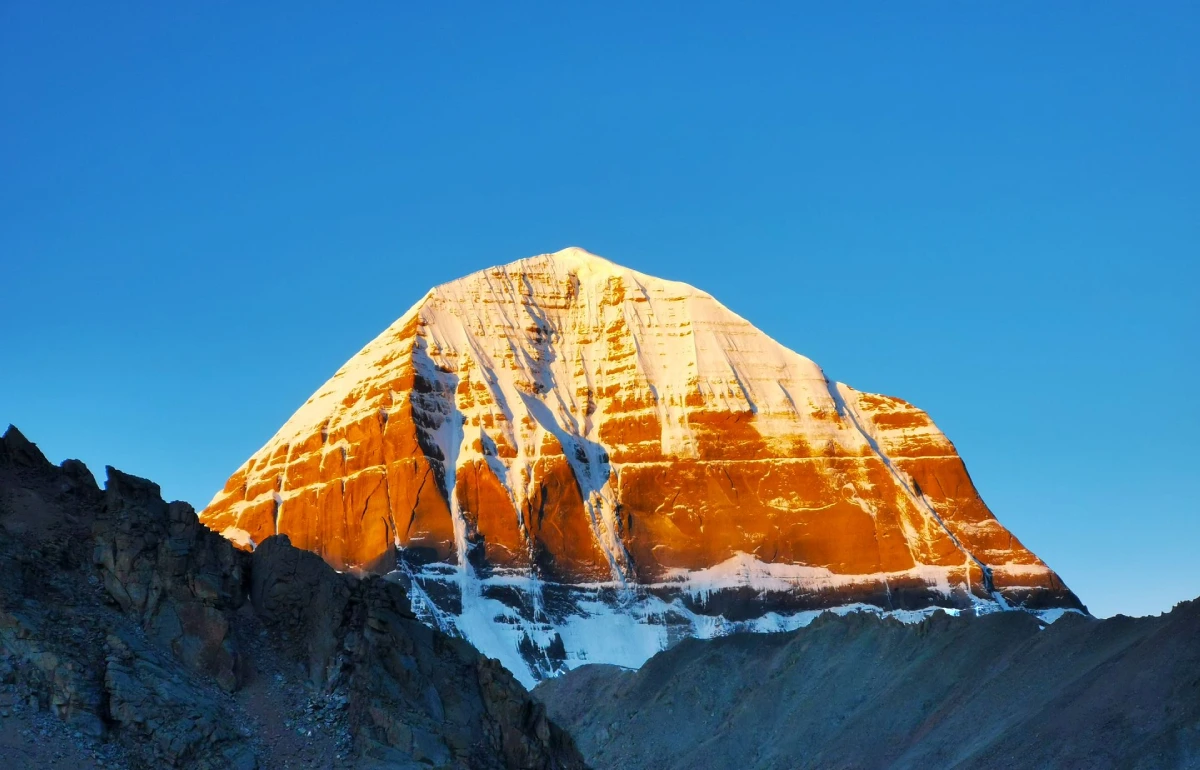
Mount Kailash is one of the most revered and mysterious mountains in the world. Rising majestically in the remote Tibetan Plateau, this sacred peak attracts thousands of pilgrims and spiritual seekers every year. Unlike other famous mountains that are admired for their climbing challenges, Mount Kailash is worshipped as a divine abode and remains unclimbed out of respect for its spiritual significance.
For centuries, people from different faiths have regarded Mount Kailash as a holy place. Hindus believe it is the home of Lord Shiva, Buddhists associate it with enlightenment, Jains consider it the site of liberation, and followers of the Bon religion view it as the center of spiritual power. This unique religious importance makes Mount Kailash one of the few places in the world that unites multiple faiths.
We will explore why Mount Kailash is sacred, its religious significance, the mysteries surrounding it, and why the Kailash Mansarovar Yatra continues to inspire millions of people worldwide.
Where Is Mount Kailash Located?
Mount Kailash is located in the Ngari region of western Tibet, an autonomous region of China. Standing at approximately 6,638 meters (21,778 feet), the mountain is not the tallest in the Himalayas, but it is undoubtedly one of the most spiritually significant.
Near Mount Kailash lies the sacred Lake Mansarovar, one of the highest freshwater lakes in the world. Another nearby lake, Rakshastal, is associated with powerful legends and mythology. Together, these sacred sites form the heart of the Kailash Mansarovar Yatra.
The mountain’s striking pyramid-like shape and snow-covered summit make it instantly recognizable. Many pilgrims describe their first glimpse of Mount Kailash as a life-changing experience.
Why Is Mount Kailash Considered Sacred?
The question of ” why Mount Kailash is sacred? ” has intrigued pilgrims, scholars, and spiritual seekers for thousands of years. Nestled in the remote Tibetan Plateau, this majestic mountain is far more than a geographical landmark. Across multiple religious traditions, Mount Kailash is regarded as a divine center of spiritual power and enlightenment.
Ancient beliefs describe Mount Kailash as the cosmic axis, or “Axis Mundi,” a sacred point where heaven, earth, and the spiritual realms intersect. Many traditions view it as the center of the universe, making it one of the holiest pilgrimage destinations in the world. Unlike other famous mountains that attract climbers and adventurers, Mount Kailash is revered as a place of worship and spiritual transformation.
Devotees believe the mountain radiates powerful spiritual energy that can inspire inner peace, self-discovery, and personal growth. Pilgrims who undertake the Kailash Mansarovar Yatra often speak of profound emotional and spiritual experiences during their journey. While science cannot verify these claims, the sense of devotion, reverence, and transformation reported by visitors continues to strengthen Mount Kailash’s reputation as one of the world’s most sacred and spiritually significant places.
Mount Kailash in Hinduism
The Abode of Lord Shiva
For Hindus, Mount Kailash holds immense religious significance because it is believed to be the eternal home of Lord Shiva and Goddess Parvati.
According to Hindu scriptures, Lord Shiva resides on Mount Kailash in a state of deep meditation. He represents creation, destruction, and transformation, making Kailash the ultimate spiritual destination for devotees.
Many Hindus dream of undertaking the Kailash Mansarovar Yatra at least once in their lifetime. They believe that visiting this sacred mountain brings blessings, spiritual purification, and liberation from the cycle of birth and death.
Importance of Lake Mansarovar
Lake Mansarovar is equally sacred in Hinduism. Ancient texts describe it as a divine lake created by Lord Brahma.
Pilgrims take holy baths in the lake and perform prayers on its shores. They believe the sacred waters wash away sins and help purify the soul.
The Spiritual Journey of Kailash Mansarovar Yatra
The pilgrimage is more than a physical journey. It is a spiritual quest that challenges participants mentally, emotionally, and physically. Many pilgrims return with a renewed sense of purpose and faith.
Mount Kailash in Buddhism
Mount Kailash also occupies a special place in Tibetan Buddhism.
Home of Demchok
Buddhists associate Mount Kailash with Demchok, also known as Chakrasamvara, a deity representing supreme bliss and enlightenment.
For Buddhist practitioners, the mountain symbolizes the path toward spiritual awakening and liberation from suffering.
The Sacred Kora
One of the most important rituals in Buddhism is the Kora, or circumambulation of Mount Kailash.
Pilgrims walk around the mountain in a clockwise direction while chanting prayers and spinning prayer wheels. The complete circuit measures approximately 52 kilometers and usually takes three days.
Buddhists believe completing one Kora cleanses accumulated negative karma, while multiple Koras generate even greater spiritual merit.
A Symbol of Enlightenment
The mountain serves as a powerful reminder of compassion, wisdom, and mindfulness. Many Buddhist practitioners travel long distances to meditate in its presence.
Mount Kailash in Jainism
Mount Kailash is equally important in Jainism.
Jains believe that Rishabhdev, the first Tirthankara, attained liberation near Mount Kailash at a place known as Ashtapada.
As a result, the mountain is considered one of the holiest pilgrimage destinations in the Jain tradition.
Jain pilgrims visit the region to honor the spiritual achievements of Rishabhdev and deepen their own commitment to nonviolence, truth, and self-discipline.
Mount Kailash in the Bon Religion
Before Buddhism spread across Tibet, the indigenous Bon religion already regarded Mount Kailash as sacred.
Followers of Bon consider the mountain the spiritual center of the universe and the seat of divine power.
According to Bon traditions, Mount Kailash is known as the Nine-Story Swastika Mountain, symbolizing eternal spiritual wisdom.
Unlike Buddhists and Hindus, Bon practitioners traditionally perform the Kora in a counterclockwise direction.
The continued presence of Bon traditions highlights the mountain’s ancient spiritual heritage and enduring significance.
Mysteries and Legends Surrounding Mount Kailash
One reason Mount Kailash fascinates people worldwide is the many mysteries associated with it.
The Unclimbed Sacred Peak
Unlike Mount Everest and other famous mountains, Mount Kailash has never been officially climbed.
Several mountaineers have expressed interest in attempting the summit, but climbing the mountain remains prohibited due to its religious importance.
Many believers argue that the sacred nature of the mountain should be preserved and respected.
Strange Stories and Local Beliefs
Numerous legends surround Mount Kailash. Some pilgrims claim that time seems to move differently near the mountain, while others describe unusual spiritual experiences.
Although these stories remain unverified, they contribute to the mountain’s mystical reputation.
A Universal Sacred Symbol
The fact that four major religious traditions revere the same mountain is remarkable. This shared respect strengthens Mount Kailash’s status as a universal symbol of spirituality.
The Spiritual Significance of Kailash Parikrama
The Kailash Parikrama, also known as the Kailash Kora, is one of the most important aspects of the pilgrimage.
What Is Kailash Parikrama?
The Parikrama involves walking around Mount Kailash on a challenging 52-kilometer route.
The trek passes through breathtaking landscapes, remote valleys, and high mountain passes.
Dolma La Pass
At an altitude of approximately 5,630 meters, Dolma La Pass represents the highest point of the pilgrimage.
Many pilgrims view crossing the pass as a symbolic death and rebirth. It signifies letting go of past burdens and embracing spiritual transformation.
Spiritual Rewards
According to traditional beliefs, completing one Parikrama removes the sins of a lifetime. Completing 108 circumambulations is said to bring enlightenment.
Whether taken literally or symbolically, the journey encourages deep reflection and personal growth.
The Sacred Connection Between Mount Kailash and Lake Mansarovar
Mount Kailash and Lake Mansarovar are often considered inseparable.
Together, they represent the union of masculine and feminine energies in spiritual traditions.
While Mount Kailash symbolizes strength, stability, and divine consciousness, Lake Mansarovar represents purity, wisdom, and compassion.
Pilgrims frequently spend time meditating beside the lake before beginning the Kailash Parikrama.
The calm waters and stunning mountain views create a powerful atmosphere for prayer and contemplation.
Why Pilgrims Travel From Around the World
The appeal of Mount Kailash extends far beyond Asia.
Every year, travelers from Europe, North America, Australia, and other parts of the world join the Kailash Mansarovar Yatra.
Search for Spiritual Growth
Many visitors come seeking answers to life’s deeper questions. The remote location, sacred environment, and challenging pilgrimage encourage self-discovery.
Connection With Nature
The untouched beauty of the Tibetan Plateau inspires awe and humility. Pilgrims often develop a stronger appreciation for nature and the interconnectedness of all life.
Cultural and Religious Interest
Some visitors come to learn about the traditions and beliefs associated with Mount Kailash. The pilgrimage offers a unique opportunity to experience living spiritual practices.
Can Mount Kailash Be Climbed?
One of the most frequently asked questions about the mountain is whether it can be climbed.
The answer is no.
Authorities prohibit climbing Mount Kailash out of respect for its sacred status. Religious leaders from multiple faiths support this decision.
Unlike many famous peaks, Mount Kailash is valued not as a mountaineering challenge but as a place of worship.
This preservation helps maintain the mountain’s spiritual integrity and protects an important cultural heritage site.
The Lasting Spiritual Legacy of Mount Kailash
Mount Kailash remains one of the most sacred places on Earth because it transcends religious boundaries. Hindus, Buddhists, Jains, and followers of the Bon religion all recognize its spiritual importance.
The mountain symbolizes devotion, enlightenment, liberation, and inner transformation. Combined with the sacred waters of Lake Mansarovar and the challenging Kailash Parikrama, it creates a pilgrimage unlike any other.
For many travelers, the Kailash Mansarovar Yatra is not simply a journey across mountains and valleys. It is a journey inward—a chance to reconnect with faith, discover inner peace, and experience one of the world’s most powerful spiritual destinations.
Whether viewed through the lens of religion, culture, or personal spirituality, Mount Kailash continues to inspire wonder and reverence. Its sacred presence has endured for thousands of years and will likely continue to guide pilgrims for generations to come.
Related Blogs

Kailash Mansarovar Yatra Preparation for 2027: Food, Packing List, Fitness Guide
The walk around Mount Kailash is 52 km, and you cover about 38 km of it on foot over...
Kailash Mansarovar Yatra from Kathmandu 2027: Overland Route, Pros, Cons and Inclusions
The Kailash Mansarovar Yatra from Kathmandu follows the road that pilgrims have driven for decades. You leave Kathmandu, cross...
Kailash Mansarovar Yatra for NRI
Kailash Mansarovar Yatra for NRIs is a pilgrimage option for Indian citizens living abroad but holding a passport other...