


Tips for Completing the Holy Mount Kailash Parikrama
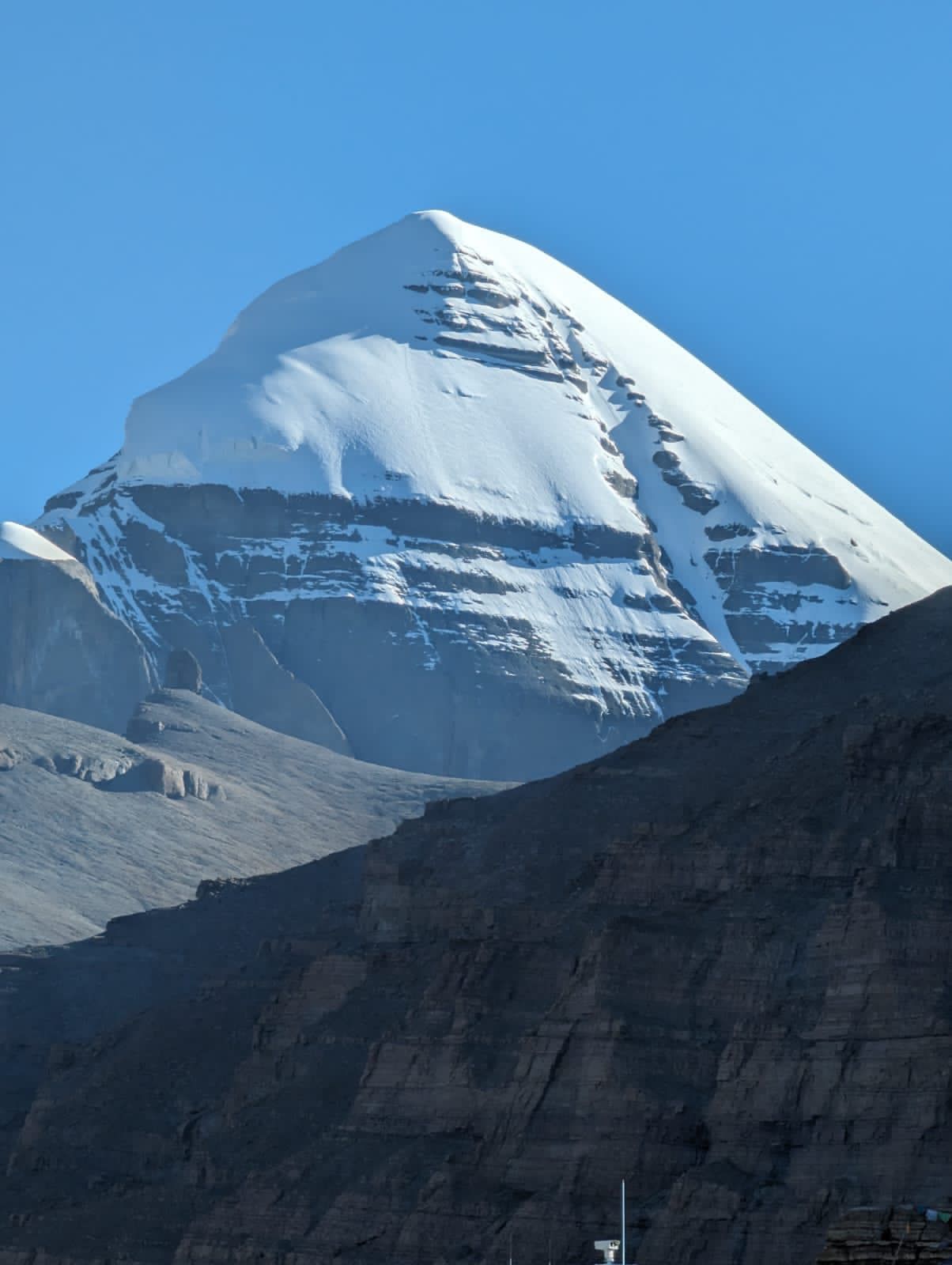
The holy Mount Kailash Parikrama is one of the most challenging and spiritually meaningful pilgrimage journeys in the Himalayas. Known as the Kailash Kora, this sacred walk takes pilgrims around Mount Kailash, a mountain revered by Hindus, Buddhists, Jains, and followers of Bon.
For many travelers, completing Mount Kailash Parikrama is not only a physical achievement but also a deeply personal spiritual experience. However, the journey takes place at extremely high altitude and includes long walking days, cold weather, steep trails, and the demanding crossing of Dolma La Pass.
Proper preparation can make a major difference to your experience. Physical fitness, good acclimatization, suitable clothing, proper hydration, and a realistic understanding of the route are all important. The following tips will help you prepare for and complete the holy Mount Kailash Parikrama more safely and comfortably.
Mount Kailash Parikrama at a Glance
Before beginning the journey, it is helpful to understand the basic facts about the Kailash Parikrama.
| Information | Details |
| Starting Point | Darchen |
| Total Distance | Approximately 52 km |
| Typical Duration | 3 days |
| Highest Point | Dolma La Pass, about 5,630 m |
| Difficulty | Challenging |
| Main Challenge | High altitude and Dolma La crossing |
| Best Time | Generally May to September |
| Type of Journey | Pilgrimage and high-altitude trek |
The exact distance, timing, and trail conditions may vary. Weather, road conditions, individual fitness, and local arrangements can also affect the journey.
Understand the Mount Kailash Parikrama Route
The traditional Mount Kailash Parikrama usually takes three days. Knowing what to expect each day will help you prepare mentally and physically.
Day 1: Darchen to Dirapuk
The first day begins from the Darchen area and follows the route toward Dirapuk. This section is generally less demanding than the second day, although the high altitude can make even gradual walking difficult.
The trail offers beautiful views of the surrounding landscape and, when conditions are clear, impressive views of Mount Kailash. The north face of the sacred mountain is a major highlight of this section.
Do not use the first day to test your speed or fitness. Walk slowly and save your energy for the next day. Your body is already working harder because of the altitude.
Day 2: Dirapuk to Zuthulpuk via Dolma La Pass
This is the most challenging day of the entire Kailash Parikrama. You will face a long and demanding ascent toward Dolma La Pass, the highest point of the journey.
The pass is located at approximately 5,630 meters, where the air contains significantly less oxygen than at lower elevations. The climb can be difficult, especially if you are tired, dehydrated, or not properly acclimatized.
After reaching the pass, there is a steep descent that can be equally challenging. Snow, ice, rocks, and changing weather may make the trail more difficult.
Start early, walk carefully, and maintain a steady pace. Do not rush to reach the pass.
Day 3: Zuthulpuk to the End of the Parikrama
The final day is generally easier than the Dolma La crossing. The route gradually follows the valley toward the end of the Parikrama, where transport arrangements normally continue toward Darchen or the next destination.
Although the third day is less challenging, you should still walk carefully. Fatigue from the previous two days can affect your balance and energy levels.
Acclimatize Properly Before Starting the Parikrama
One of the most important tips for completing the holy Mount Kailash Parikrama is to acclimatize properly.
Mount Kailash lies in a very high-altitude region of Tibet. If you travel quickly from a lower elevation and immediately begin the trek, your risk of altitude-related problems increases.
Spend adequate time acclimatizing before starting the Parikrama. Follow your planned itinerary and avoid trying to shorten the acclimatization process. Your body needs time to adapt to lower oxygen levels.
During the acclimatization period:
- Walk slowly and avoid unnecessary physical effort.
- Drink enough water.
- Eat regularly.
- Avoid excessive alcohol.
- Get adequate rest.
- Inform your guide if you feel unwell.
Acclimatization does not guarantee that you will avoid altitude sickness, but it can reduce the risk and help your body adjust gradually.
Walk Slowly and Follow Your Own Pace
The Mount Kailash Parikrama is not a race. One of the most common mistakes pilgrims make is walking too fast during the first part of the journey.
At high altitude, even physically fit people may become tired quickly. Trying to maintain the same speed as another traveler can lead to exhaustion.
Walk at a comfortable and steady pace. Take short breaks when necessary, but avoid stopping for too long in extremely cold or exposed areas.
A simple approach is to focus on your breathing and take one section at a time. On difficult climbs, shorter and slower steps are usually more effective than walking quickly and stopping repeatedly.
Remember that completing the journey safely is more important than completing it quickly.
Prepare Your Body Before the Kailash Parikrama
The Kailash Parikrama is challenging, but you do not need to be a professional athlete to prepare for it. However, basic physical training before your trip can make the experience much easier.
Ideally, begin preparing several weeks before your journey.
Focus on improving:
- Cardiovascular fitness
- Leg strength
- Walking endurance
- Balance
- Overall stamina
Regular walking and hiking are excellent forms of preparation. If possible, walk on hills or stairs because the Parikrama includes long uphill and downhill sections.
You can also include exercises such as squats, lunges, step-ups, and light strength training.
Practice walking with the type of trekking boots you plan to wear. This allows you to identify comfort problems before reaching Tibet.
Physical fitness is helpful, but it does not replace acclimatization. Even very fit travelers can experience altitude sickness.
Understand the Risks of High Altitude
Altitude is one of the biggest challenges during the Mount Kailash Parikrama. It is important to understand the possible symptoms of Acute Mountain Sickness, commonly known as AMS.
Common symptoms may include:
- Headache
- Nausea
- Dizziness
- Loss of appetite
- Unusual fatigue
- Difficulty sleeping
If your symptoms become worse, inform your guide immediately. Never hide symptoms because you want to complete the Parikrama.
Severe symptoms can include confusion, difficulty breathing while resting, extreme weakness, or worsening coordination. These situations require immediate attention.
The safest decision is not always to continue. Sometimes resting, stopping, or descending is necessary. No spiritual or personal goal is more important than your health.
Stay Hydrated Throughout the Journey
Dehydration can make you feel worse at high altitude and may contribute to fatigue and headaches.
Drink water regularly throughout the day. Do not wait until you feel very thirsty.
Carry an insulated water bottle when possible, especially in cold conditions. Water can become very cold or even freeze in exposed areas.
Electrolyte supplements may also be useful during long walking days, particularly if recommended by your medical professional or tour team.
At the same time, avoid drinking excessive amounts of water in a short period. Regular and balanced hydration is usually the better approach.
Eat Enough to Maintain Your Energy
Your body uses significant energy while walking at high altitude. Even if you have a reduced appetite, try to eat regular meals and small snacks.
Carry easy-to-eat, high-energy foods such as:
- Nuts
- Energy bars
- Chocolate
- Dried fruits
- Biscuits
- Other simple snacks
Avoid relying only on one large meal. Small snacks throughout the day can help maintain your energy.
However, do not carry unnecessary amounts of food in your daypack. A heavy backpack can make the Parikrama much more difficult.
Pack Light but Pack Smart
Packing correctly is essential for a comfortable Mount Kailash Parikrama.
The weather can change quickly, so you need warm and protective clothing. At the same time, carrying too much weight can increase fatigue.
Use a comfortable daypack and carry only essential items during the walk.
Your essential gear may include:
- Warm insulated jacket
- Waterproof and windproof outer layer
- Thermal base layers
- Warm gloves
- Warm hat
- Trekking boots
- Extra socks
- Sunglasses
- Sunscreen
- Lip balm
- Water bottle
- Personal medicines
- Snacks
- Trekking poles
Keep important items easily accessible. You should not need to unpack your entire bag to find water, gloves, or a rain jacket.
Choose the Right Footwear
Good trekking boots can make a major difference during the Kailash Parikrama.
Choose comfortable boots with reliable grip and enough support for uneven trails. Most importantly, break in your boots before your trip.
Do not bring brand-new boots and wear them for the first time during the Parikrama. New shoes can cause painful blisters and make walking extremely difficult.
Wear suitable socks that help manage moisture and provide warmth. Carry an extra pair in your daypack.
Blister plasters or basic foot-care supplies can also be useful.
Use Trekking Poles
Trekking poles can provide additional stability during the Mount Kailash Parikrama.
They are particularly useful during:
- Steep ascents
- Rocky sections
- Long descents
- Slippery or uneven trails
During the steep descent from Dolma La Pass, trekking poles may help reduce pressure on your knees and improve balance.
Practice using them before the trip if you have never used trekking poles before.
Prepare for Rapidly Changing Weather
The weather around Mount Kailash can change quickly. You may experience strong sunshine, cold wind, snow, or rain during the same journey.
The best approach is to dress in layers.
A basic layering system includes:
- A moisture-managing base layer
- A warm insulating layer
- A waterproof and windproof outer layer
This makes it easier to add or remove clothing as conditions change.
Do not underestimate the cold, especially during early mornings, evenings, and the Dolma La crossing.
Protect Yourself from the Strong Himalayan Sun
The high altitude increases exposure to ultraviolet radiation. Even when the temperature feels cold, the sun can be intense.
Use sunscreen on exposed skin and reapply when necessary. Wear quality sunglasses that provide proper UV protection.
A hat or cap can protect your face, while lip balm with sun protection can help prevent dry and cracked lips.
Sun protection is especially important because the combination of wind, cold air, and strong sunlight can quickly damage exposed skin.
Start Early on Dolma La Pass Day
The second day is the most demanding part of the Kailash Parikrama. Starting early gives you more time to walk at a comfortable pace.
An early start can help you:
- Avoid rushing
- Reach the pass with more time available
- Reduce the risk of facing worsening afternoon weather
- Take short breaks when necessary
Prepare your clothing, water, snacks, and other essential items the previous evening.
The goal should not be to walk quickly. The goal is to give yourself enough time to move steadily and safely.
Respect the Spiritual and Cultural Significance
Mount Kailash is much more than a trekking destination. It is one of the world’s most sacred mountains.
For many pilgrims, the Parikrama is an important act of faith and devotion. Respect the beliefs and traditions of other travelers throughout the journey.
Follow local customs and respect monasteries, prayer flags, religious sites, and sacred areas.
Do not leave rubbish on the trail. Carry your waste whenever necessary and help protect the fragile Himalayan environment.
Keep noise to a minimum in sacred places and avoid disturbing other pilgrims.
A respectful attitude will make your journey more meaningful and help protect the cultural importance of the region.
Prepare Mentally for the Challenge
The Kailash Parikrama can be mentally as challenging as it is physically demanding.
You may feel tired, cold, short of breath, or frustrated. The weather may change, and the route may feel more difficult than expected.
Mental preparation is important.
Do not focus too much on the total distance. Instead, concentrate on the next section of the trail.
Take one step at a time.
Stay positive, but also be realistic. If your body is showing serious warning signs, listen to it.
Completing the Parikrama is a meaningful achievement, but taking care of your health should always come first.
Consider Additional Support If Needed
Some travelers may benefit from a porter or horse arrangement, depending on the services available and local conditions.
Additional support can be useful for elderly pilgrims, travelers with limited trekking experience, or people who may struggle with carrying equipment.
However, remember that horse riding may not be possible or suitable on every part of the route. Trail conditions and local arrangements can change.
If you think you may need additional support, discuss this with your tour operator before starting the journey.
Carry Essential Medicines and First-Aid Supplies
Always carry your personal prescription medicines.
A basic first-aid kit may also include supplies for:
- Blisters
- Minor cuts
- Pain relief
- Stomach problems
- Rehydration
Altitude-related medication should only be used according to professional medical advice.
Before traveling, discuss your high-altitude journey with a qualified medical professional, especially if you have existing health concerns or take regular medication.
Do Not Ignore Your Body’s Warning Signs
One of the most important tips for completing the holy Mount Kailash Parikrama is knowing when to stop.
Do not hide symptoms from your guide because you are afraid of missing the journey.
Tell your guide if you experience:
- Increasing headache
- Severe dizziness
- Difficulty breathing
- Confusion
- Extreme weakness
- Worsening nausea
Early action can prevent a minor problem from becoming a serious emergency.
A responsible traveler understands that turning back is sometimes the safest and strongest decision.
Common Mistakes to Avoid During the Kailash Parikrama
Avoid these common mistakes:
Starting Without Proper Acclimatization
Rushing into the trek before your body has adjusted to the altitude can increase health risks.
Walking Too Fast
Save your energy and maintain a steady pace, especially during the first day.
Carrying a Heavy Backpack
Bring essential gear but avoid unnecessary weight.
Wearing New Boots
Break in your trekking boots before the journey.
Not Drinking Enough Water
Stay hydrated throughout the day.
Ignoring Altitude Symptoms
Always tell your guide if you feel unwell.
Starting Dolma La Day Too Late
Begin early so you have enough time to complete the most difficult section safely.
Underestimating the Cold
Carry warm layers, gloves, and proper wind protection.
Final Tips for Completing the Holy Mount Kailash Parikrama
The Mount Kailash Parikrama is a challenging journey, but good preparation can make it more manageable and enjoyable.
Remember these essential tips:
- Acclimatize properly before starting.
- Prepare your body through regular walking and exercise.
- Walk slowly and maintain your own pace.
- Stay hydrated and eat regularly.
- Pack light but carry essential gear.
- Use comfortable and well-tested trekking boots.
- Carry trekking poles for stability.
- Start early on the Dolma La Pass day.
- Respect the spiritual importance of Mount Kailash.
- Always listen to your body and put safety first.
Completing the holy Mount Kailash Parikrama requires patience, physical preparation, and mental strength. For many pilgrims, the journey is not about speed or reaching a destination as quickly as possible. It is about experiencing each step, respecting the sacred landscape, and understanding your own physical limits.
With proper acclimatization, realistic preparation, suitable equipment, and a responsible attitude toward high altitude, you can improve your chances of completing the Kailash Parikrama safely and meaningfully.
Frequently Asked Questions About the Mount Kailash Parikrama
How difficult is the Mount Kailash Parikrama?
The Mount Kailash Parikrama is generally considered challenging because of its high altitude, long walking days, and the crossing of Dolma La Pass. Proper acclimatization and physical preparation are very important.
How many days does the Kailash Parikrama take?
The traditional Mount Kailash Parikrama usually takes around three days, although the exact schedule can vary depending on weather, individual walking speed, and local arrangements.
What is the highest point of the Kailash Parikrama?
The highest point is Dolma La Pass, located at approximately 5,630 meters above sea level.
Can beginners complete the Kailash Parikrama?
Some beginners can complete the journey with proper preparation, acclimatization, and support. However, the high altitude makes the Parikrama demanding, and previous hiking experience is helpful.
What should I pack for the Kailash Parikrama?
Essential items include warm layers, a waterproof jacket, comfortable trekking boots, gloves, sunglasses, sunscreen, water, snacks, personal medicines, and trekking poles.
Can I hire a horse or porter?
Support options may be available depending on local arrangements and conditions. It is best to discuss these services with your tour operator before starting the Parikrama.
What should I do if I experience altitude sickness?
Inform your guide immediately. Do not ignore or hide your symptoms. Depending on the severity, you may need rest, medical attention, or descent to a lower altitude.
When is the best time to complete the Mount Kailash Parikrama?
The main travel season generally falls between May and September, when access and trekking conditions are more favorable. However, weather conditions can vary, so check current travel and route conditions before planning your journey.
Related Blogs
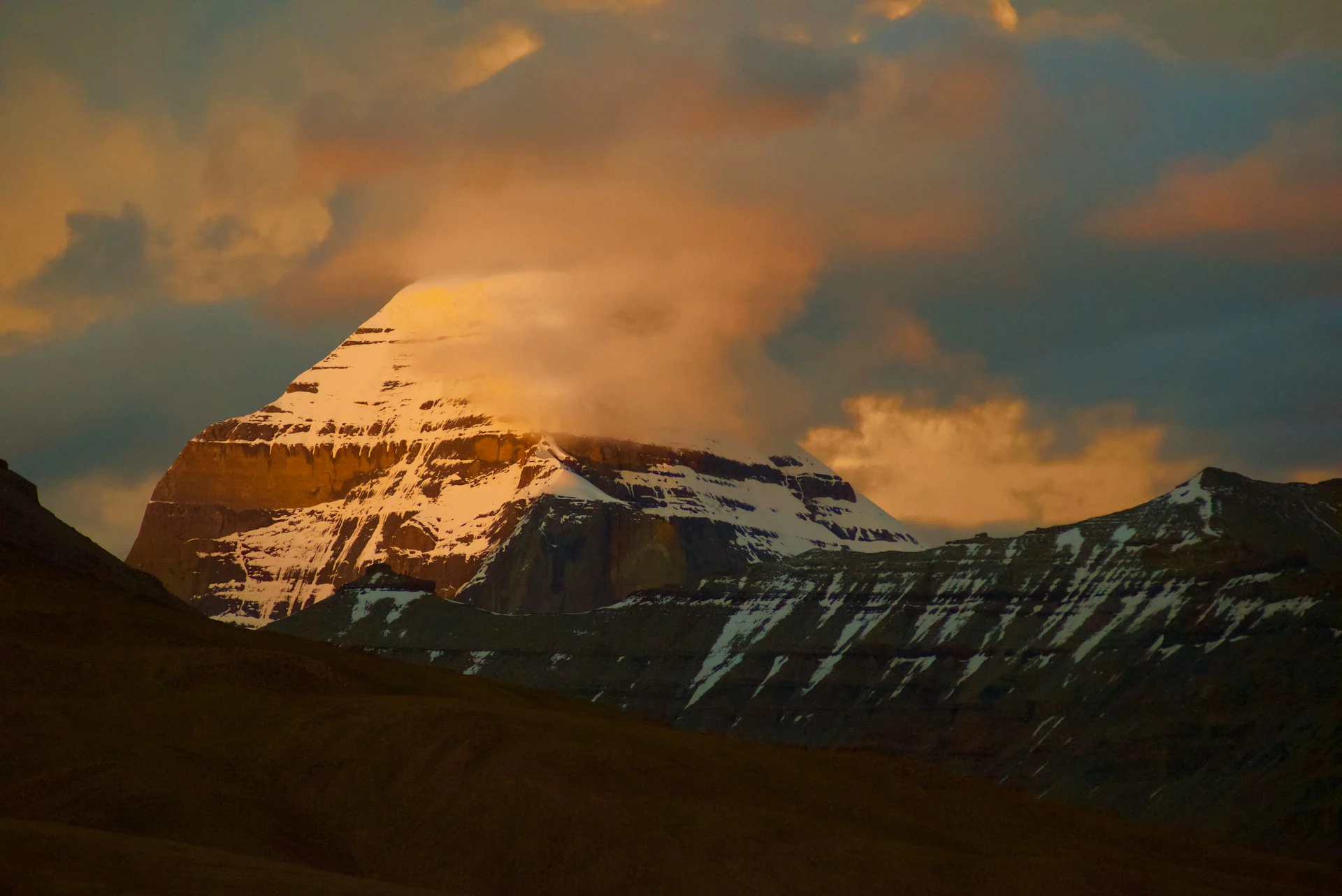
Kailash Mansarovar Yatra Cost from Nepal
The Kailash Mansarovar Yatra is one of the most meaningful pilgrimage journeys in the Himalayas. Every year, thousands of...
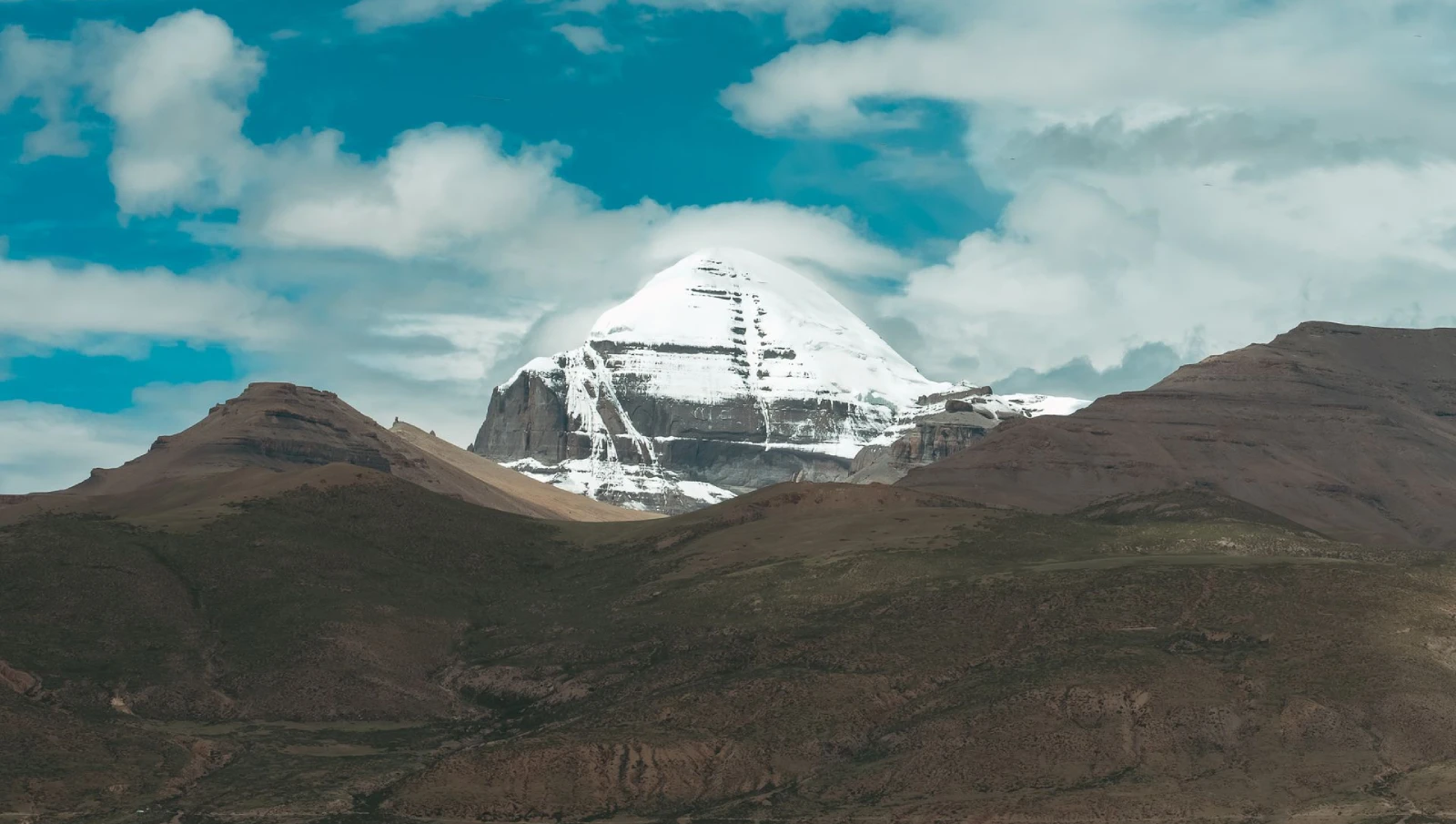
Kailash Mansarovar Overland Tour: Complete Guide, Cost & Travel Tips
The Kailash Mansarovar Overland Tour is more than just a journey through the Himalayas—it’s a life-changing pilgrimage that blends...
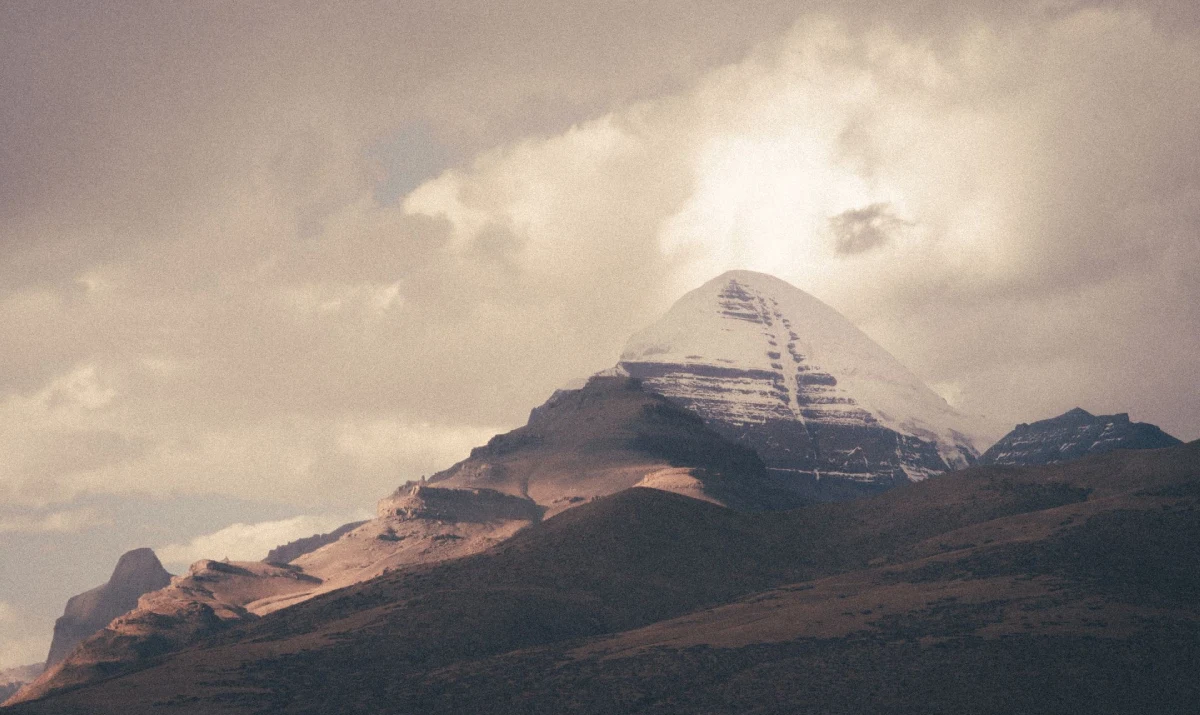
Spiritual Significance of Mount Kailash
Rising majestically in the remote Tibetan Plateau, Mount Kailash is one of the most revered spiritual destinations on Earth....