


Kailash Mansarovar Yatra 2027 Route: Complete Route & Travel Guide
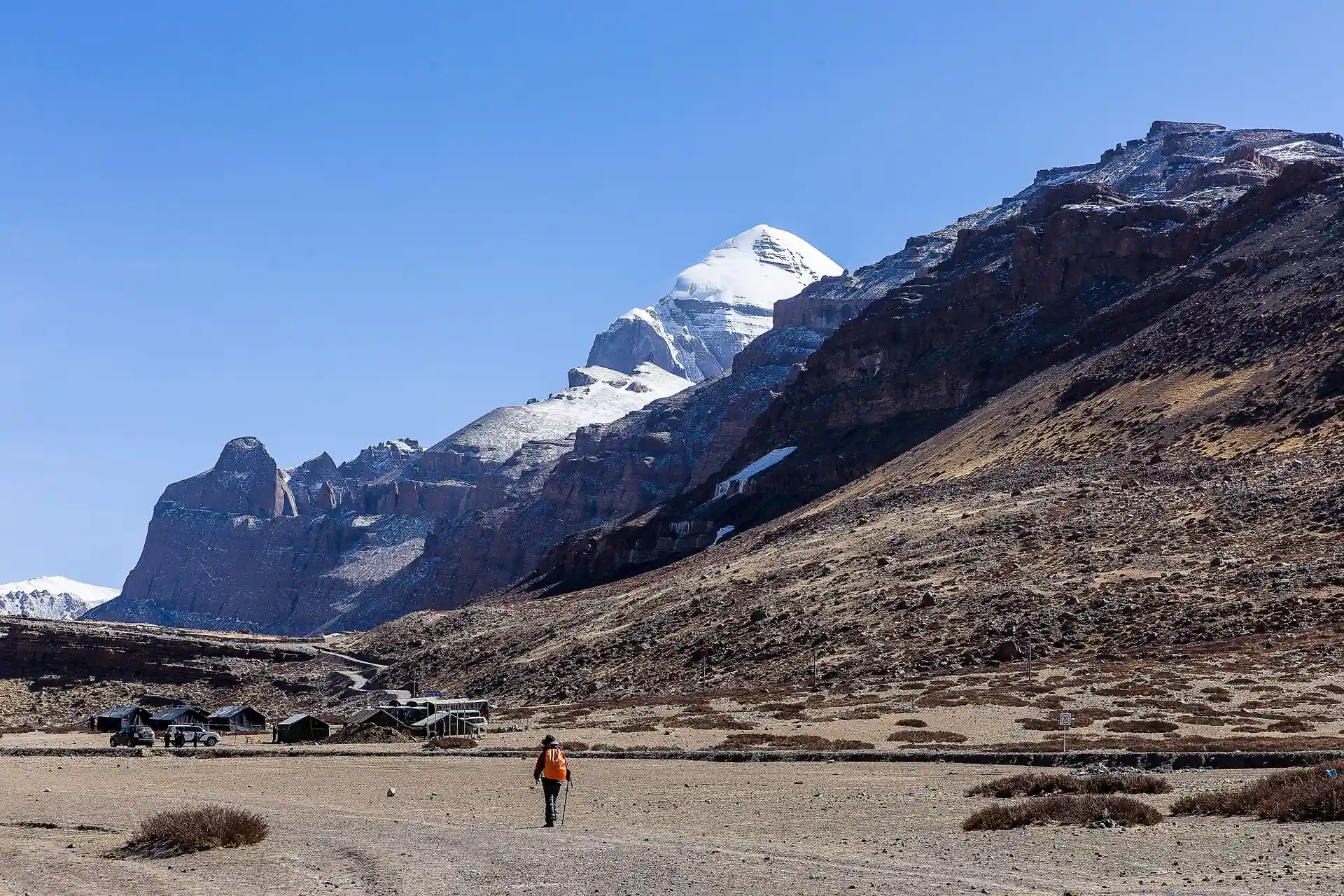
Kailash Mansarovar Yatra 2027 route is one of the most important things to understand before planning this sacred Himalayan pilgrimage. For travelers starting from Nepal, the journey generally begins in Kathmandu and continues through the Nepal–Tibet border at Kerung before crossing the vast Tibetan Plateau toward Saga, Lake Mansarovar, and Darchen.
But the Kailash Mansarovar Yatra is much more than a long road journey. It is a pilgrimage shaped by faith, breathtaking landscapes, high-altitude challenges, and a deep sense of spirituality.
Mount Kailash is revered by Hindus, Buddhists, Jains, and followers of the Bon tradition. Lake Mansarovar, located close to Mount Kailash, is equally important to pilgrims and is considered one of the most sacred lakes in the region.
For those traveling through Nepal, the journey generally follows this route:
Kathmandu → Syabrubesi → Kerung/Gyirong → Saga → Lake Mansarovar → Darchen → Yamdwar → Dirapuk → Dolma La Pass → Zuthulpuk → Darchen → Return to Nepal
The exact route and itinerary for Kailash Mansarovar Yatra 2027 may vary depending on border conditions, permits, weather, road conditions, transportation, and regulations in place at the time of travel.
This guide explains the major stops, route from Nepal, Kailash Kora, altitude, distance, permits, preparation, accommodation, and other practical details you should know before beginning your journey.
Kailash Mansarovar Yatra 2027 Route at a Glance
For travelers beginning the pilgrimage in Nepal, the overland route generally follows:
Kathmandu → Syabrubesi → Kerung/Gyirong → Saga → Lake Mansarovar → Darchen → Yamdwar → Dirapuk → Dolma La Pass → Zuthulpuk → Darchen → Nepal
| Route Information | Details |
| Starting Point | Kathmandu, Nepal |
| Nepal–Tibet Border | Kerung/Gyirong |
| Major Tibetan Transit Point | Saga |
| Sacred Lake | Lake Mansarovar |
| Mount Kailash Base | Darchen |
| Kora Starting Point | Yamdwar |
| Highest Point | Dolma La Pass |
| Main Pilgrimage | Kailash Kora/Parikrama |
| Route Type | Overland journey with high-altitude walking |
| Difficulty | Moderate to Challenging |
| Main Challenge | High altitude, cold weather, and demanding terrain |
Keep in mind that this is a general route. The actual 2027 itinerary may change because of travel permits, border rules, road conditions, weather, and local authorities.
What Is the Kailash Mansarovar Route from Nepal?
The Kailash Mansarovar route from Nepal is a popular overland route for pilgrims traveling toward Mount Kailash and Lake Mansarovar.
The journey normally starts in Kathmandu, where travelers complete their preparations and necessary travel formalities. From Kathmandu, the road heads north toward Syabrubesi and eventually reaches the Kerung/Gyirong border.
After crossing into Tibet, the landscape changes dramatically. Green mountain valleys gradually give way to the wide, dry landscapes of the Tibetan Plateau. The route then continues toward Saga before heading west toward Lake Mansarovar and Darchen.
Darchen is the main base for the Kailash Kora, the pilgrimage walk around Mount Kailash.
The Kora is generally completed over three days, passing through Yamdwar, Dirapuk, Dolma La Pass, and Zuthulpuk before returning to Darchen.
Because this journey takes place at very high altitude, a good itinerary should allow enough time for acclimatization and rest.
Kathmandu to Kailash Mansarovar Route
Kathmandu is the main starting point for most travelers taking the Nepal route to Kailash Mansarovar.
Before beginning the road journey, travelers normally have time to organize their luggage, check documents, attend briefings, and make final preparations.
From Kathmandu, the route gradually moves into the Himalayan foothills before reaching the high-altitude Tibetan Plateau.
Kathmandu to Syabrubesi
The first major road journey takes you from Kathmandu toward Syabrubesi.
The scenery changes quickly as you leave the Kathmandu Valley behind. The road passes through hilly landscapes, villages, rivers, and mountain communities before reaching Syabrubesi.
Syabrubesi is an important stop on the Nepal side of the journey. Depending on the itinerary and road conditions, it may be used as an overnight stop or transit point.
The journey can take longer than expected because road conditions, traffic, weather, construction, and seasonal disruptions may affect travel time.
Syabrubesi to Kerung
From Syabrubesi, the journey continues toward the Nepal–Tibet border.
Kerung on the Nepal side and Gyirong in Tibet form an important gateway for overland travel between Nepal and Tibet.
Border formalities can take time, so travelers should keep their passports and other required documents easily accessible. Your guide or tour coordinator will normally assist with the necessary procedures.
Once the border formalities are completed, you officially enter the Tibetan side of the journey.
Kerung to Saga
The landscape changes noticeably after leaving Kerung.
The road climbs toward the Tibetan Plateau, and travelers begin to experience the effects of higher altitude. The scenery becomes wider and more open, with large valleys, rugged mountains, barren hills, and distant snow-covered peaks.
Saga is one of the major transit points on the Tibetan route. It is also an important place to rest and allow the body to adjust to the increasing elevation.
Saga to Lake Mansarovar
From Saga, the journey continues toward the sacred region of Lake Mansarovar.
This is often one of the most memorable road sections of the entire Yatra. The Tibetan landscape becomes increasingly dramatic as you approach the Kailash region.
On clear days, you may see vast mountain ranges stretching across the horizon. The sense of remoteness is one of the things that makes this journey so special.
After several hours on the Tibetan roads, travelers eventually reach the area around Lake Mansarovar.
Lake Mansarovar to Darchen
Lake Mansarovar is one of the spiritual highlights of the entire pilgrimage.
For many pilgrims, seeing the lake for the first time is an emotional moment. Its deep blue waters, high-altitude surroundings, and views of the surrounding mountains create a remarkable setting.
After spending time around the lake according to the itinerary, the journey continues toward Darchen.
Darchen is the main base for the Mount Kailash Kora and an important place to rest and prepare before starting the pilgrimage walk.
Kailash Mansarovar Route via Kerung
The Kailash Mansarovar route via Kerung is an important overland route for pilgrims traveling from Nepal.
The general route is:
Kathmandu → Syabrubesi → Kerung → Saga → Lake Mansarovar → Darchen → Kailash Kora
One of the biggest changes along this route is the increase in altitude.
Kathmandu sits at a relatively low elevation compared with the Tibetan Plateau, while the Kailash region remains above 4,500 meters for much of the journey.
This means that acclimatization should not be treated as an afterthought.
Travelers should avoid rushing whenever possible and give their bodies enough time to adjust to the changing altitude.
Major Stops on the Kailash Mansarovar Yatra Route
Several destinations along the route have practical, cultural, or spiritual importance.
Kathmandu
Kathmandu is where many international travelers begin their Kailash Mansarovar journey.
It is the ideal place to complete final preparations, organize equipment, attend briefings, check travel documents, and meet the support team.
If your schedule allows, you can also explore some of Kathmandu’s famous cultural and religious sites before beginning the overland journey.
Syabrubesi
Syabrubesi marks an important stage of the Nepal-side journey.
Located in the Himalayan foothills, it provides a transition from the busy Kathmandu Valley toward the remote mountain border region.
Kerung/Gyirong
Kerung/Gyirong is the main border gateway used on the Nepal–Tibet overland route.
This is where travelers complete border and immigration procedures before continuing into Tibet.
Saga
Saga is a major Tibetan transit point.
It is surrounded by vast high-altitude landscapes and is commonly used as a rest and overnight stop during the journey.
Lake Mansarovar
Lake Mansarovar is one of the most sacred destinations on the Yatra.
For pilgrims, reaching the lake is often a deeply meaningful moment. The combination of religious significance and dramatic Himalayan scenery makes it one of the highlights of the journey.
Darchen
Darchen is the main base for the Kailash Kora.
Travelers normally prepare here before starting the walking section around Mount Kailash.
Yamdwar
Yamdwar is traditionally regarded as the starting point of the Kailash Parikrama.
Pilgrims usually begin the walking section from this area and follow the trail toward Dirapuk.
Dirapuk
Dirapuk is one of the most important stops on the Kora.
The area is known for its impressive views toward Mount Kailash and is generally used as the first overnight point of the Parikrama.
Dolma La Pass
Dolma La Pass is the highest point of the Kailash Kora and one of its most physically demanding sections.
The altitude, steep trail, cold temperatures, and changing weather can make the crossing challenging.
Zuthulpuk
Zuthulpuk is an important stop on the final part of the Kora.
After spending the night in the area, travelers continue toward Darchen and complete the main Parikrama.
Kailash Mansarovar Kora Route
The Kailash Kora, also known as the Kailash Parikrama, is the spiritual and physical centerpiece of the Yatra.
The commonly followed route is:
Darchen → Yamdwar → Dirapuk → Dolma La Pass → Zuthulpuk → Darchen
For pilgrims, walking around Mount Kailash is not simply a mountain trek. It is a sacred pilgrimage with deep meaning across several religious traditions.
The terrain becomes particularly challenging near Dolma La Pass. High altitude, cold temperatures, steep sections, and thin air can make even short distances feel exhausting.
The best approach is to walk slowly, conserve energy, stay hydrated, and follow the guidance of your support team.
Day 1 of Kailash Kora: Darchen to Dirapuk
The first day of the Kora generally begins from Darchen.
Travelers usually reach Yamdwar before continuing along the trail toward Dirapuk.
The route gradually moves deeper into the Kailash landscape. Although this is not normally considered the hardest day, the altitude can make walking much more tiring than expected.
There is no need to rush.
A comfortable, steady pace is usually more useful than trying to walk quickly. Take breaks when needed and pay attention to how your body is responding.
Dirapuk is generally the first major overnight stop and provides an opportunity to rest before the most demanding section of the Kora.
Day 2: Dirapuk to Dolma La Pass and Zuthulpuk
For most pilgrims, the second day is the hardest day of the Kailash Kora.
The trail climbs from Dirapuk toward Dolma La Pass, the highest point of the Parikrama.
The combination of altitude, steep sections, cold temperatures, wind, and potentially changing weather can make this part of the journey physically demanding.
After crossing Dolma La, the trail descends toward the Zuthulpuk area.
The descent can also be tiring, particularly after the long climb.
The key is to maintain a slow and controlled pace. Your goal is not to reach the pass quickly. Your goal is to cross it safely.
Day 3: Zuthulpuk to Darchen
The final day of the Kora takes travelers from Zuthulpuk back toward Darchen.
After the demanding previous day, many travelers find this section more manageable.
The trail gradually becomes easier as you move toward the end of the Parikrama.
Reaching Darchen marks the completion of the main Kailash Kora and is often a rewarding moment after the physical and spiritual challenge of the previous days.
Kailash Mansarovar Route Distance
The total distance of the Kailash Mansarovar Yatra depends on the specific itinerary.
Rather than focusing only on the total number of kilometers, travelers should consider the distance of each road and walking section separately.
| Route Section | Distance |
| Kathmandu to Syabrubesi | Varies according to road and itinerary |
| Syabrubesi to Kerung | Varies according to road conditions |
| Kerung to Saga | Depends on the selected itinerary |
| Saga to Lake Mansarovar | Depends on route and road conditions |
| Lake Mansarovar to Darchen | Varies by itinerary |
| Kailash Kora | Depends on the exact route and trail conditions |
Road distances can change depending on the route used and current transportation arrangements.
The Kailash Kora distance should also be viewed in relation to altitude. At elevations above 5,000 meters, even a relatively short walking section can feel considerably harder than walking the same distance at sea level.
For this reason, walking time, elevation gain, terrain, and weather are often more important than distance alone.
Altitude on the Kailash Mansarovar Route
Altitude is one of the most important factors to consider when planning the Yatra.
The journey begins in Kathmandu and gradually moves into increasingly higher terrain before reaching the Tibetan Plateau.
Some important elevations are approximately:
| Location | Approximate Elevation |
| Kathmandu | 1,400 m |
| Lake Mansarovar | 4,590 m |
| Darchen | 4,670 m |
| Dolma La Pass | 5,630 m |
Elevations can vary slightly between maps, GPS measurements, and published sources.
What matters most is that travelers spend considerable time at high altitude and reach more than 5,000 meters during the Kora.
Anyone traveling to this elevation should take altitude seriously. Follow the planned acclimatization schedule, avoid unnecessary exertion, and tell your guide immediately if you experience concerning symptoms.
Why Is Dolma La Pass Important?
Dolma La Pass is the highest point of the Kailash Kora, reaching approximately 5,630 meters.
It is also one of the most challenging parts of the pilgrimage.
The trail toward the pass can be steep, and the thin air makes physical activity much harder. Cold temperatures, strong winds, snow, ice, or changing weather can add to the difficulty.
For many pilgrims, reaching Dolma La represents both a physical and spiritual milestone.
Take the climb slowly. Rest when necessary and follow the instructions of your guide and support team.
The objective is not speed. The objective is a safe crossing.
Permits and Documents for Kailash Mansarovar Yatra 2027
The Kailash Mansarovar Yatra 2027 requires more planning and documentation than a typical Nepal trekking trip.
Travelers entering Tibet must follow the regulations and permit requirements applicable at the time of travel.
Depending on the current rules, travelers may need:
- A valid passport
- Appropriate visa documentation
- Tibet travel permits
- Required group travel documentation
- Travel insurance
- Passport photographs, if required
- Other documents requested by the relevant authorities or tour operator
Requirements can change before the 2027 travel season.
For this reason, do not rely on information from previous years alone. Confirm the latest requirements with your tour operator and relevant authorities before departure.
A reliable operator should clearly explain the permit process, documentation, border procedures, and responsibilities included in your package.
Best Time for Kailash Mansarovar Yatra 2027
The Kailash region has an extreme high-altitude climate, with long, harsh winters.
The main pilgrimage season generally falls during the warmer months when road access and travel conditions are more suitable.
Spring
Spring brings relatively improving weather, although temperatures can still be cold, particularly at higher elevations.
Snow and changing mountain weather may continue to affect some sections.
Summer
Summer is generally part of the main pilgrimage season.
Conditions are usually more suitable for overland travel and the Kailash Kora, although weather can still change quickly.
Monsoon Season
Nepal’s monsoon can affect the Nepal-side road journey.
Heavy rainfall may cause road delays, landslides, muddy sections, or changes to transportation schedules.
The Tibetan side generally has a different climate pattern, but weather conditions at high altitude remain unpredictable.
Autumn
Autumn can offer clear mountain views and generally favorable travel conditions.
However, temperatures can become increasingly cold as the season progresses.
Winter
Winter is extremely cold in the Kailash region.
Heavy snow, freezing temperatures, and difficult road conditions can significantly affect access.
For Kailash Mansarovar Yatra 2027, confirm the officially available travel dates before booking flights or making non-refundable arrangements.
How Difficult Is the Kailash Mansarovar Yatra?
The Kailash Mansarovar Yatra is not a conventional sightseeing holiday.
It combines long road journeys, remote travel, high altitude, basic accommodation, and several days of walking.
The main challenges include:
- High altitude
- Thin air
- Long travel days
- Cold temperatures
- Remote locations
- Basic facilities
- Steep walking sections
- Dolma La Pass
- Changing weather
- Limited access to medical facilities in remote areas
The Kailash Kora is particularly demanding.
You do not need advanced mountaineering skills to complete the standard pilgrimage route, but you should be physically prepared for walking at high altitude.
If you have concerns about your ability to travel at high altitude, consult a qualified medical professional before booking your trip.
Practical Tips for Kailash Mansarovar Yatra 2027
1. Start Preparing Early
Do not wait until the final few weeks to organize your equipment.
Give yourself enough time to buy, test, and become comfortable with your walking shoes, clothing, backpack, and other essentials.
2. Build Your Walking Fitness
Regular walking, hiking, stair climbing, and moderate cardiovascular exercise can help prepare you for the physical demands of the Kora.
You do not need to become an athlete. Consistent preparation is more useful than last-minute intense training.
3. Take Altitude Seriously
Altitude is one of the biggest challenges of the Yatra.
Follow the itinerary, allow your body time to adjust, and communicate with your guide if you feel unwell.
4. Walk Slowly
High altitude is not the place to compete with other travelers.
Walk at a comfortable pace, take regular breaks, and conserve your energy for the more demanding sections.
5. Dress in Layers
Mountain weather can change quickly.
Layering allows you to adjust your clothing as temperatures change during the day.
6. Keep Your Daypack Practical
Carry the items you may need during the walking sections, including water, snacks, warm layers, sunscreen, sunglasses, personal medication, and essential documents.
Avoid carrying unnecessary weight.
7. Keep Some Flexibility in Your Schedule
Road conditions, weather, border procedures, permits, and local regulations can affect the itinerary.
A flexible mindset will make unexpected changes easier to handle.
8. Choose an Experienced Operator
A reliable operator should provide clear information about permits, transportation, accommodation, meals, guides, support staff, safety arrangements, and itinerary changes.
Do not choose a package based only on the lowest advertised price.
9. Do Not Underestimate the Kora
Even experienced hikers can struggle at high altitude.
The Kora should be approached as a serious high-altitude journey rather than an ordinary hiking trail.
10. Respect the Sacred Environment
Mount Kailash and Lake Mansarovar are deeply sacred to several religious traditions.
Respect local customs, religious practices, sacred areas, local communities, and fellow pilgrims throughout the journey.
Kailash Mansarovar Yatra Route: A Simple Journey Map
The easiest way to understand the entire journey is to divide it into four stages.
Stage 1: Nepal
Kathmandu → Syabrubesi → Kerung
This is the Nepal-side road journey and border approach.
Stage 2: Tibet
Kerung → Saga → Lake Mansarovar
After crossing the border, the journey continues across the Tibetan Plateau toward the sacred lake.
Stage 3: Kailash Region
Lake Mansarovar → Darchen → Yamdwar → Dirapuk → Dolma La → Zuthulpuk → Darchen
This is the spiritual and physical heart of the pilgrimage.
Stage 4: Return Journey
Darchen → Saga → Kerung → Nepal
The return route generally follows the broader overland corridor back toward Nepal, although the exact itinerary can change.
Who Is the Kailash Mansarovar Yatra Suitable For?
The Yatra attracts people for many different reasons.
Some travel for religious devotion. Others are drawn by the spiritual atmosphere, Himalayan landscapes, Tibetan culture, or the personal challenge of completing the Kora.
It can be suitable for travelers who are comfortable with:
- Long road journeys
- Basic accommodation
- Remote destinations
- Cold weather
- High-altitude walking
- Limited facilities
- Flexible travel schedules
The most important requirement is realistic preparation.
You should understand that the journey can be physically demanding and that conditions may be very different from a normal holiday.
If you have concerns about high-altitude travel, seek appropriate medical advice before making your booking.
Why Plan Your Kailash Mansarovar Yatra Through Nepal?
Nepal is an important gateway for travelers heading toward the Kailash region.
For international pilgrims, Kathmandu provides a practical starting point where they can arrive, rest, organize their equipment, complete necessary preparations, and meet their travel team.
The Nepal route also offers an opportunity to experience the transition from the Himalayan valleys of Nepal to the vast Tibetan Plateau.
A well-organized Nepal-based itinerary can make the logistics easier for travelers who are unfamiliar with the region.
However, because border procedures and Tibet travel regulations can change, travelers should always confirm the latest arrangements before departure.
Final Thoughts on the Kailash Mansarovar Yatra 2027 Route
The Kailash Mansarovar Yatra 2027 route is a journey that brings together spirituality, adventure, culture, and some of the most remarkable landscapes of the Himalayas and Tibetan Plateau.
For travelers starting from Nepal, the journey generally begins in Kathmandu before continuing through Syabrubesi and Kerung. From there, the road crosses Tibet toward Saga, Lake Mansarovar, and Darchen.
The heart of the pilgrimage is the Kailash Kora, which takes travelers through Yamdwar, Dirapuk, Dolma La Pass, and Zuthulpuk before returning to Darchen.
It is a challenging journey, but careful preparation can make the experience much more manageable.
Before booking your Kailash Mansarovar Yatra 2027, check the latest border conditions, permit requirements, travel regulations, itinerary, inclusions, accommodation, transportation, and safety arrangements.
Most importantly, choose an experienced and transparent operator. A good operator should explain what is included in the package, what may change, and how they support travelers during the high-altitude sections.
If you are planning your Kailash Mansarovar Yatra from Nepal in 2027, start preparing well in advance. Build your walking fitness, choose appropriate clothing and equipment, understand the altitude, and allow yourself enough time to adjust to the journey.
The road to Mount Kailash is not only about reaching a destination. For many pilgrims, it is about the experience along the way—the quiet landscapes, the sacred places, the physical challenge, and the personal meaning of completing the journey.
Frequently Asked Questions About Kailash Mansarovar Yatra 2027
What is the Kailash Mansarovar Yatra 2027 route?
The Kailash Mansarovar Yatra 2027 route from Nepal generally begins in Kathmandu and continues through Syabrubesi and Kerung before entering Tibet. The journey then proceeds toward Saga, Lake Mansarovar, Darchen, and Mount Kailash, followed by the Kailash Kora.
How do I reach Kailash Mansarovar from Nepal?
Most overland journeys from Nepal begin in Kathmandu and travel toward the Kerung/Gyirong border. After completing the border formalities, travelers continue through Tibet toward Saga, Lake Mansarovar, and Darchen.
What is the Kailash Kora route?
The commonly followed Kailash Kora route is:
Darchen → Yamdwar → Dirapuk → Dolma La Pass → Zuthulpuk → Darchen
The Kora is traditionally completed over three days, although the exact arrangements may vary by operator and current conditions.
How difficult is the Kailash Mansarovar Yatra?
The Yatra is a challenging high-altitude journey. Long road journeys, cold weather, remote conditions, thin air, and the demanding Kora—especially the Dolma La section—can make it physically strenuous.
What is the highest point on the Kailash Kora?
Dolma La Pass is the highest point of the Kailash Kora, at approximately 5,630 meters above sea level.
How many days does the Kailash Mansarovar Yatra take?
A complete journey from Nepal commonly takes around two weeks or longer. The actual duration depends on the itinerary, border procedures, acclimatization schedule, road conditions, permits, and travel arrangements.
What documents are required for Kailash Mansarovar Yatra 2027?
Travelers generally need a valid passport and the required visa, permits, and travel documentation for Tibet. Requirements can change, so travelers should confirm the latest rules before departure.
What is the best time for Kailash Mansarovar Yatra 2027?
The main pilgrimage season generally falls during the warmer months when access to the Kailash region is more feasible. Exact 2027 travel dates should be confirmed before making final arrangements.
How much does Kailash Mansarovar Yatra 2027 cost?
The price depends on the itinerary, transportation, accommodation, permits, meals, guides, support services, and other inclusions.
When comparing packages, look beyond the advertised price and check exactly what is included.
What should I pack for Kailash Mansarovar Yatra?
Important items generally include warm layered clothing, comfortable walking shoes, trekking poles, sunglasses, sunscreen, water bottles, personal medication, toiletries, and essential travel documents.
Your operator may provide a more detailed packing list based on the exact itinerary.
Is the Kailash Mansarovar Yatra suitable for beginners?
The Yatra does not require advanced mountaineering skills, but the high altitude and Kailash Kora can be physically demanding.
Good walking preparation is recommended, and anyone concerned about high-altitude travel should seek appropriate medical advice before booking.
Can the Kailash Mansarovar route change?
Yes. Border conditions, permits, weather, road conditions, local regulations, transportation, and operational factors can affect the itinerary.
Travelers should remain flexible and follow the latest instructions from their tour operator and relevant authorities.
Related Blogs
Kailash Mansarovar Yatra Preparation for 2027: Food, Packing List, Fitness Guide
The walk around Mount Kailash is 52 km, and you cover about 38 km of it on foot over...
Kailash Mansarovar Yatra from Kathmandu 2027: Overland Route, Pros, Cons and Inclusions
The Kailash Mansarovar Yatra from Kathmandu follows the road that pilgrims have driven for decades. You leave Kathmandu, cross...
Kailash Mansarovar Yatra for NRI
Kailash Mansarovar Yatra for NRIs is a pilgrimage option for Indian citizens living abroad but holding a passport other...