
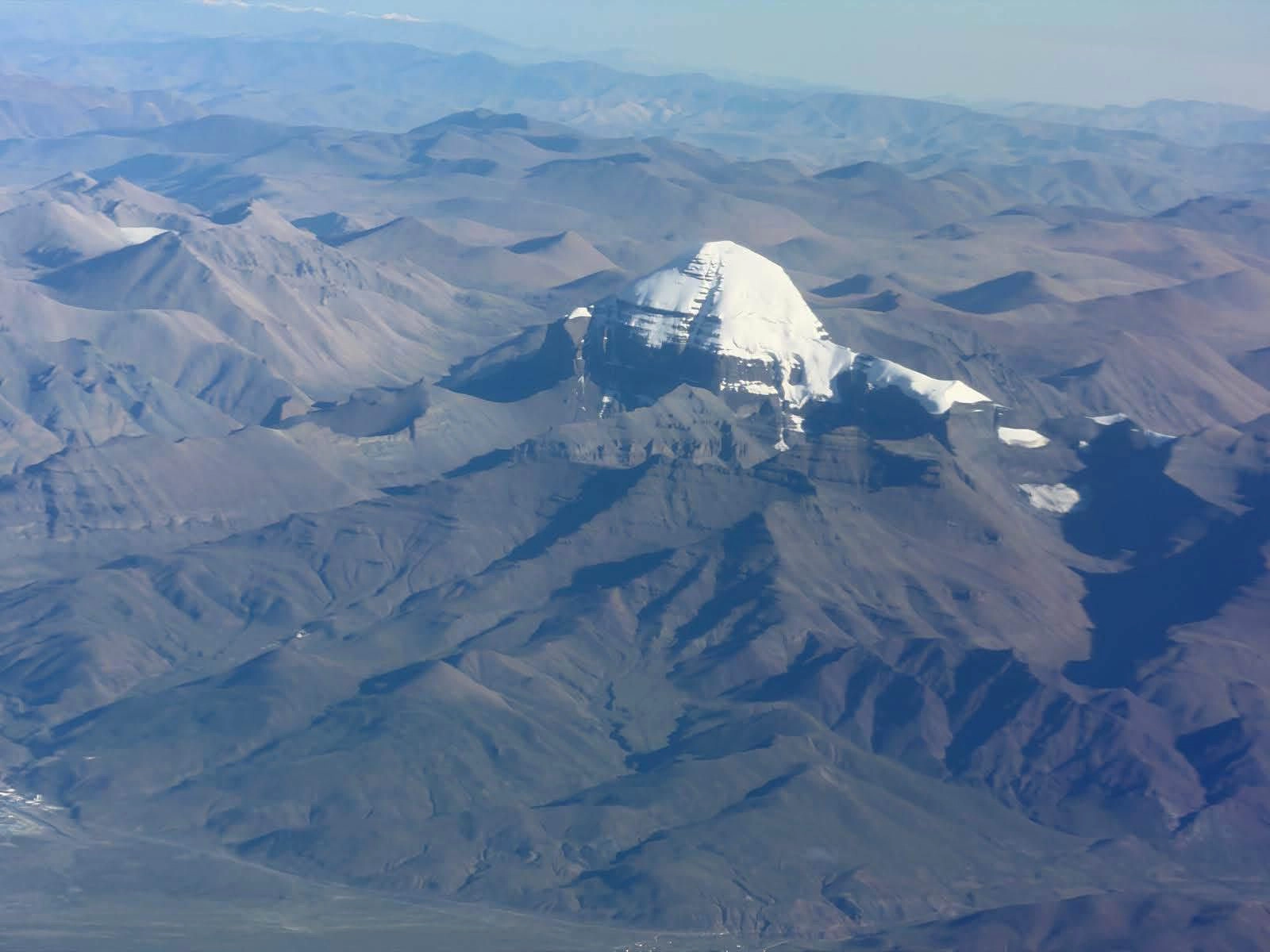
Enjoy Kailash Manasarovar Yatra 2026 During Tibetan Year of Horse ‘Mahakumbh of Kailash’ and get extra Merit – Punya (पुण्य)

Join our Kailash Mansarovar Yatra 2026 ‘Mahakumbh of Kailash’ – During Tibetan Year of Horse

The year 2026 is going to be the most auspicious year for the Kailash Mansarovar Yatra or for the Kailash Parvat Parikrama, as 2026 is the Tibetan ‘year of the Horse’ or the Tibetan Horse Year.

As per beliefs, Mount Kailash will be transformed into a nucleus of positive energies and blessings during the year of the horse, bringing in abundance and prosperity.

Kailash Parvat and Lake Mansarovar, which are a popular pilgrimage site not only for Hindus, but Buddhists, Jains, and Bons as well, are considered to be the Mandala or centre of the Universe according to Tibetan ideology.

What is the Significant of Kailash Mansarovar Parikrama for Buddhists and Hindus in the Tibetan Horse Year?

In Tibetan Buddhism, they believe that one Kora-parikrama (circumambulation) of Mount Kailash performed during the Year of the Horse is equivalent to completing 13 koras ( means 1 = 13) in any other year.

So as 2026 is the Year of the Horse, it is considered a particularly very auspicious time for a spiritual Journey to Kailash Manasarovar.

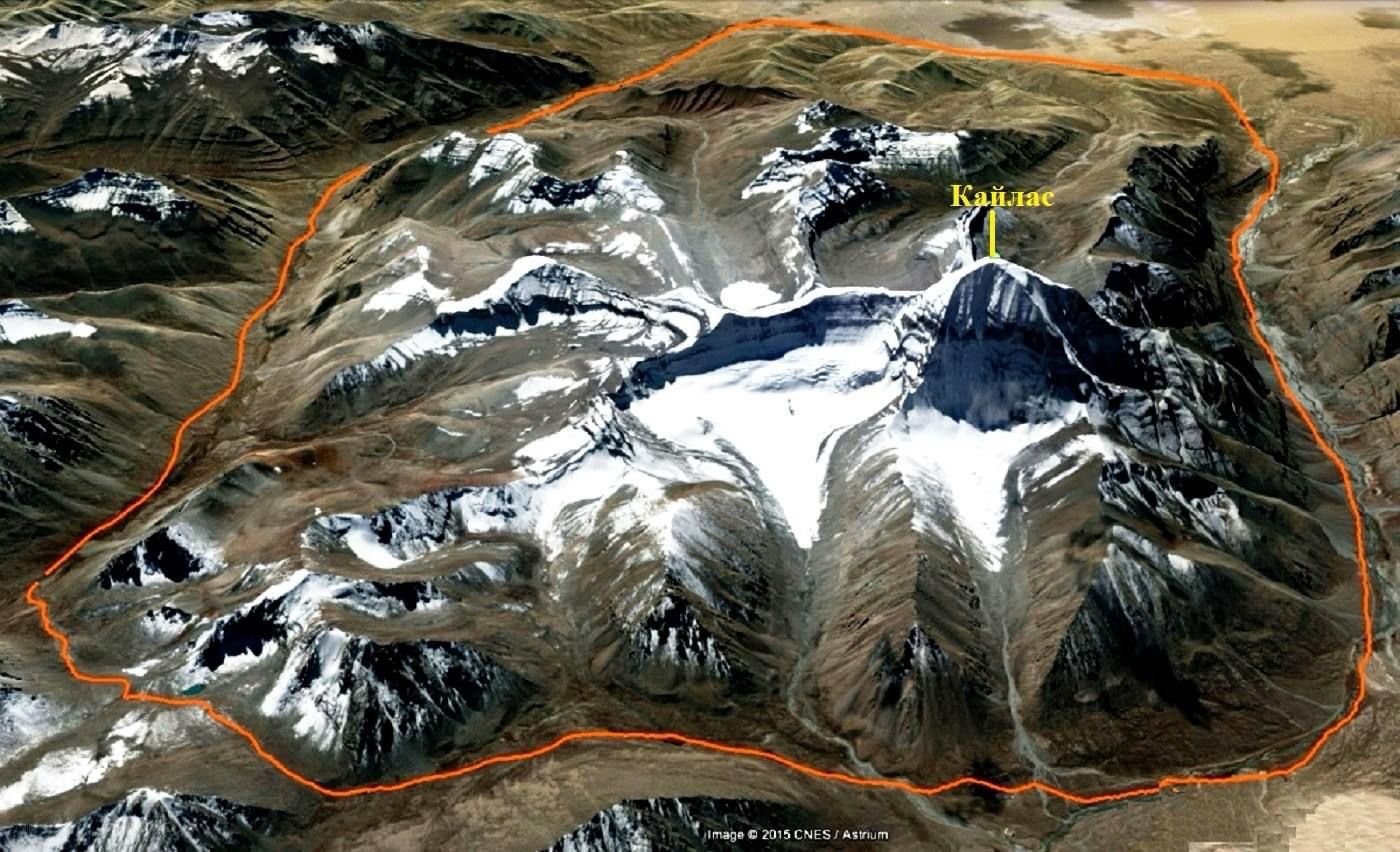
Many Tibetan Pilgrimage do the prostration ( Hindu call it Sastang Dandawat – साष्टांग दंडवत ), which is performed by dropping to your knees and laying your body forward, stretching its full length on the floor, with arms outstretched above. While the 38 Km Kailash parikrama for us walking people is only 3 days but for those who do prostration may take up to 17 days for the same Kailash Kora.

Kailash yatra in 2026 horse year is special as blessings during this year are multiplied 13 times, marking an auspicious time for parikrama of Mount Kailash while also ushering in good luck and abundance to the lives of pilgrims. The cosmic energies of Mount Kailash are boosted due to this holy event for observing prayers and rituals at Lake Mansarovar and Mount Kailash.

Such a celestial alignment of planets amplifies spiritual progress and transforms the cosmic universal energies into a powerhouse of positivity due to a specific planetary alignment in space. Talking about the religious benefits of parikrama, the merit of performing Kailash kora in the Tibetan year of the horse gives 13 times higher merit than performing it at any other time of the year.

It is also believed that Hindus and Buddhists are eligible to perform the inner Kailash Kora after completing 13 outer Kailash koras only so pilgrims who completed the outer Parikrama kora of Kailash in horse year can go for Inner Parikrama if you have time, stamina, and permission from the Chinese Govt.

For Hindus, one outer parikrama of Mount Kailash is equivalent to the Maha Kumbh Mela held once every 12 years. For Buddhists, one outer parikrama is the same as 13 parikramas in the fire horse year 2026. The Parikrama of Kailash Parvat is performed in the clockwise direction for Hindus, Buddhism and, exceptionally undertaken in an anti-clockwise direction by Tibetan Bonpo pilgrims.

Apart from this, Buddhist pilgrims also take a ritual walk around Holy Namtso Lake, located between the Damxung County of Lhasa and Baingoin County of Nagqu Prefecture in Tibet, holding immense significance in the Tibetan year of the horse.

In Tibetan astrology, the “Horse Year” is the seventh year in the 12-year cycle of the Tibetan zodiac, following the cycle of the Rat, Ox, Tiger, Rabbit, Dragon, and Snake, and preceding the Goat, Monkey, Rooster, Dog, and Pig. Each year in the Tibetan calendar is associated with an animal and one of the five elements (Wood, Fire, Earth, Metal, and Water). The year of the horse recurs every 12 years, but the specific element (e.g., Fire Horse, Wood Horse) recurs every 60 years. For example, the last Horse Year was 2014 (Wood Horse), and the next one will be in 2026 Fire Horse year:

Fire Horse Element :

The passionate influence of the Fire Element makes the Fire Horse the most unconventional, freedom-loving, and adventurous of the Horse types. For the Fire Horse, there is little enjoyment to be found in a slow-paced life. Instead, members of the sign prefer excitement at every turn, which explains why the interests and focus of the Fire Horse can change on a whim. The passionate nature of the Fire Horse is often found to be appealing to others, which explains why they have a long line of admirers and followers. Luckily, the Fire Horse is quite at ease in leadership roles and actively seeks the opportunity to do so.

Year 2026 is the year of the horse in Tibetan calendar , a rare celestial event occurring once every 12 years ( the last Horse Year was celebrated in 2014), creating a divine yet powerful coincidence for Kailash Mansarovar Yatra, similar to the Mahakumbh Mela in India.

According to the Chinese zodiac and the Tibetan calendar, the year of the horse occurs after every 12 years, in which every year is represented by each of the 12 animals: Rat, Ox, Tiger, Rabbit, Dragon, Snake, Horse, Goat, Monkey, Rooster, Dog and Pig, with horse being the seventh of the Tibetan Zodiac year. Each of the designated animals brings exclusive energy, and those born in the horse year are believed to possess admirable qualities such as independence, Charisma, high spirit, and courage. The years are also associated with elements like Earth, Fire, Water, Air, and Space.

The horse year in 2026 is especially considered the most sacred because it will be the Fire Horse Year, occurring once every 60 years, according to Chinese Astrology. The Fire Horse Year will begin on the 15th of February 2026, marking an auspicious time for Hindu and Buddhist pilgrimages to Kailash Manasarovar.

What makes Kailash Mansarovar Yatra 2026 special in the Tibetan Year of the Horse :

Many believe the fire year of the horse is the birth period of Buddha Sakyamuni, along with a coincidence when Milarepa climbed Mount Kailash during this time. ( Milarepa is a Buddhist spiritual poet/saint from the 11th century, lived in a cave near Kailash, and is the only person believed to have climbed the top of Kailash Parvat). Since the animal ‘horse’ symbolizes courage and progress, the year of the horse extends blessings to the pilgrim with physical strength, determination, and power to perform the parikrama of Mount Kailash. All these events together make 2026 the holy year for parikrama, and the Kailash Mansarovar Yatra simultaneously come join us.

Horse Year 2026 is the Mahakumbh at Kailash: Incase you have missed the Prayagraj Mahakumbh Mela in 2025, here’s another chance of attending one alike- the Mahakumbh of Kailash in 2026 at Tibetan horse year!

Tibetan and Chinese Horse Year of 2026 is similar to the Mahakumbh celebrated in Prayagraj every 12 years; the Tibetan Year of the Horse is also observed every 12 years. As per Vedic astrology, the planet Jupiter takes 12 years to orbit around the sun, which marks the arrival of the Mahakumbh Mela, the most auspicious Hindu pilgrimage event. Interestingly, the Chinese calendar and Chinese Zodiac pilgrimage are also based on the lunar cycle; they also correlate with the 12-year revolution of Jupiter around the Sun, which is similar to the 12-year animal cycle found in both the Chinese and Tibetan calendars.

  • The most Popular routes to reach Mount Kailash during the Horse Year 2026 is via Nepal, the Kailash Overland tour.
  • The other Kailash routes are from Kathmandu – Nepalgunj, Simikot / Hilsa.

We can also organize Kailash trip via Beijing / Lhasa or Chengdu too.

If you are interested in more of Nepal hiking/trekking or Bhutan trips, visit our site www.enepaltrekking.com

What is the best date for Kailash Mansarovar yatra 2026?

If you are wondering when to visit Mount Kailash? Well, the Kailash Mansarovar Yatra starts in May and goes on till October. Earthbound Expeditions, an award-winning reputable company, will have at least 2 or 3 departures every month from May to Oct. for Kailash yatra so you can join any date. Our Luxury Kailash tours are enjoyed by many customers. Please check the TripAdvisor reviews or see some video clips on our YouTube channel.

Best time to plan Kailash Mansarovar Yatra 2026

May- June and September- October: The weather remains pleasant during these months. Whereas pilgrims usually visit during the summer season, as it’s an ideal time for the Mount Kailash and Lake Mansarovar Yatra, which pleasantly supports parikrama and trekking in the Tibet region.

December- February (months to avoid): It’s recommended to avoid the winter season, as it may hinder your Kailash Mansarovar Yatra with heavy snowfall and road blockage.

Note: A huge crowd of Tibetan pilgrims also visits Mount Kailash during the famous Saga Dawa festival, which marks the celebration of the birth and enlightenment of Buddha Sakayamuni. You can also visit Mount Kailash between May and June on the occasion of the Saga Dawa festival at Tharboche near Yamadwar.

Are you ready to embark on the Kailash Mansarovar Yatra during the year of the horse 2026 ?

You can trust us to take you to Kailash with love and care from planning to the execution of your Kailash Manasarovar yatra. Get in touch with our travel experts at Earthbound Expeditions +977 9851017772 to learn more about Kailash Mansarovar Yatra 2026.

As you may already know, we are the specialist team of mountaineers and guides been leading trips to Mt Kailash for the past 26 years and I have personally lead 21 times and taking 1000’s of yatries from the UK, USA, Australia, India, and other parts ofthe  world. We specialise on taking NRI Kailash Yatries.

Most of the tours are lead by myself or our expert leaders who have been to Kailash over 25 times. We are well known for our good services to our Yatries, and we keep the group size always below 35 people so we can care for them well. We provide good, clean, comfortable hotel accommodation, hot Vegetarian meals ( South Indian, North Indian and some western dish). All our hygienic hot meals are prepared by our expert cooks, good transportation, and medical supply (Oxygen, PAC Bag ( Very important equipment for the altitude), Oximeter (oxygen measure machine), Blood pressure machine and necessary equipment for the yatra. We offer/conduct Puja and Haven at Mansarovar, we will take bath at shore of Lake Mansarovar with warm water from Lake Mansarovar.

This is a complete Kailash package tour we take care of everything for you. Just be mentally strong and do some physical exercise, we have been taking safely to people Kailash Mansarovar safely since 1999. The best season is May to October, any time you can do Kailash Mansarovar tour.

Because of our sincere and dedicated service make Earthbound Expeditions is one of the best Tour Company for the Himalayas ( you can go to our testimonials or TripAdvisor review section to know more about our services): Trip Advisor

Please go through the itinerary below and let us know if you have more questions. Glad to answer any questions you may have and we can plan according to your needs. Please find more details on our web: Kailash Manasarovar Yatra Tour

FAQs :

When will the Tibetan Horse Year start in 2026?

The fire year of the horse will be observed from 17th February in 2026, based on the Lunar calendar.

Is 2026 really special for Kailash Yatra?

Yes. 2026 is the Tibetan Year of the Horse, which is believed to multiply spiritual benefits of the pilgrimage.

How is the Kailash Mansarovar Yatra in the Horse Year significant?

The animal horse associated with 2026 brings courage, strength, and independence, making it an ideal time for the Kailash Mansarovar Yatra.

How to prepare for Kailash Mansarovar Yatra 2026?

Prepare by improving your fitness with regular walking and cardio, getting a medical check-up, and learning about altitude sickness. Pack warm clothing and proper trekking shoes, keep your passport and permits ready, and book early with a reliable operator. Mental and spiritual preparation through yoga or meditation is also helpful.

How many days does Kailash Mansarovar Yatra 2026 take?

Typically 12–16 days depending on the route and itinerary.

Why should I visit Kailash Mansarovar during the year of the horse?

The Parikrama Kora performed during the horse year is considered as equals to 13 koras performed in a year, making it an auspicious time for Kailash Mansarovar Yatra and eligible for inner Kailash Parikrama next time or in the same year if you have time, stamina, and permission from Chinese Govt.

What is Kailash Inner Parikarama – Kora :

The 3 ways of doing Kailash yatra are considered as Inner Parikrama :

1) One trail goes from darken further to Serlung Gompa ( can take jeep) and walk all the way further to Saptarishi caves, the Nandi Parikrama, and back, total about 12 to 14 hours with strong stamina and you need some technical knowledge about rope. It is not so easy, we need a helmet as there might be rock falling from the main south face of Kailash. This inner parikram totally depends on the weather, your stamina and the Chinese Govt. permission. Not all people can do it.

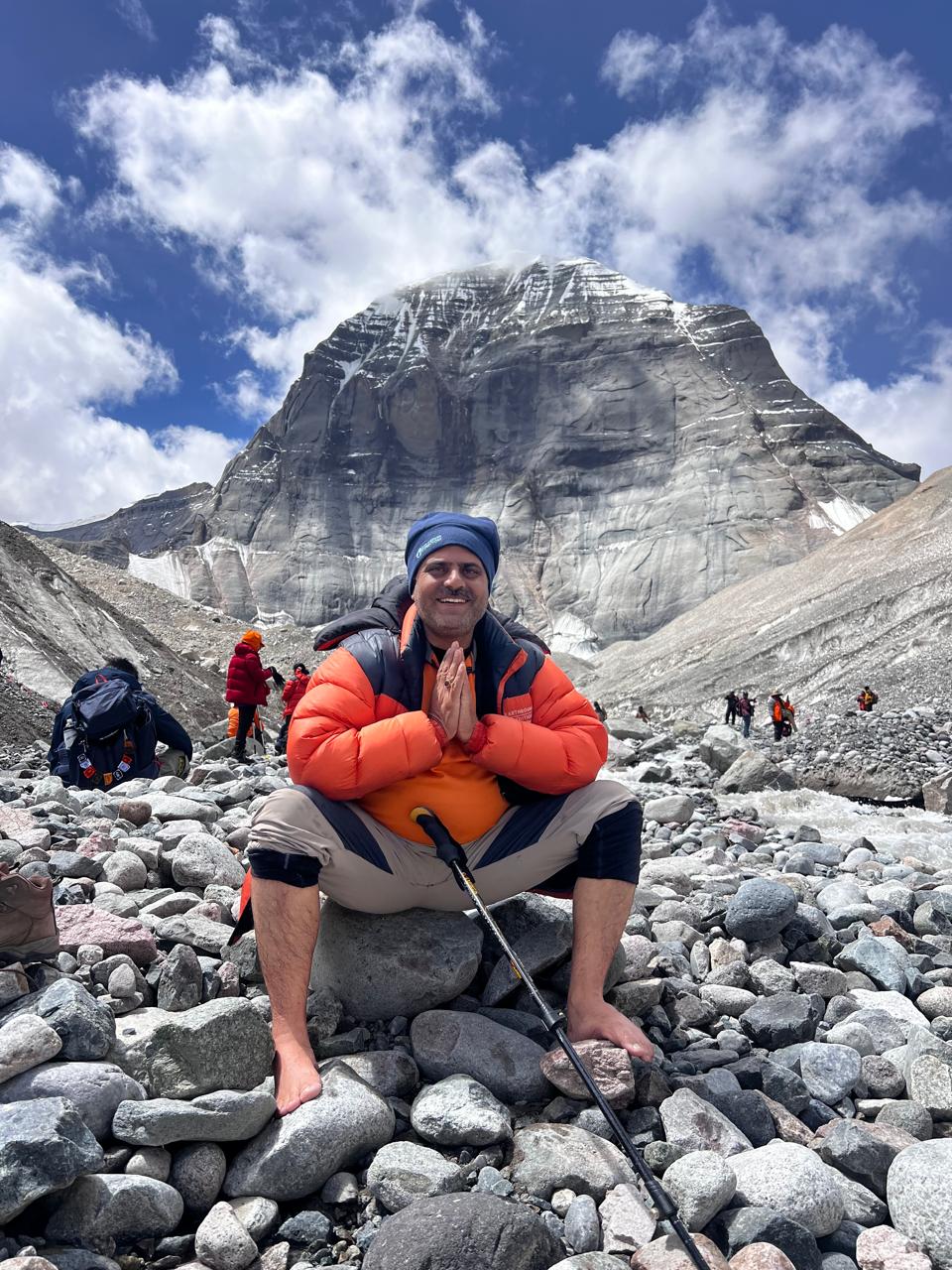
2) The 2nd part inner Parikrama is the kailash Charansparsa walk. The walk from Northface of Kailash to Charansparsa ( round trip about 8 KM) is considered as kailash inner parikrama too. Touching of the Kailash. We ahve already included an extra day at North Face to go to Kailash Charan sparsa and back. It is advised to carry helmet as there might be rocks falling fromthe  main north face of Kailash. This charansparsa or inner Parikram totally depends on the weather, your stamina, and Chinese Govt. permission too. Not all people can do it either.

3) The 3rd part inner Parikrama is Khandro Sanglam La pass. We will trek ZUTHULPHUK BY CROSSING SHIVSTAL KHANDRO SANGLAM LA PASS – about 5800 meters. Fromthe  Derapuk trek to Kuber Kund and go right from Shivstal and to Khandro Sanglam La pass – the Secret Path of the Dakini Khandroma and come out to Zuthulpuk valley. This is a real inner Parikrama and an alternative route of Mount Kailash parikrama. Passing through the pass one will come to the Kuber valley, and the view of Kuber Kund become visible, and trek to Zuthulpuk valley viathe  east face of Kailash and stay overnight at Zuthulpuk, total walk about 16 km | (8 – 9 hours trek).

It is advised to carry a helmet as there might be rocks falling also, we need about 60-meter rope as some parts involve rope climbing ( need climbing skill). This Kailash inner Parikram totally depends on weather, your stamina and Chinese Govt. permission too. Very few people have done and limited number can do it.

Note: It is also believed that Hindus and Buddhists are eligible to perform the inner Kailash Kora after completing 13 outer Kailash koras only so pilgrims who completed the outer Parikrama kora of Kailash in a horse year can go for Inner Parikrama if you have time, stamina, and permission from Chinese Govt.

When should I visit Kailash Mansarovar in 2026?

May to October is the ideal time to visit Kailash Mansarovar in the Tibetan Year of the Horse in 2026.

What are the requirements for Kailash Mansarovar Yatra?

What are the requirements for Kailash Manasarovar Yatra?

Planning to undertake the sacred journey to Mount Kailash? Understanding the requirements for the Kailash Mansarovar Yatra is essential before you begin. From medical fitness and travel documents to age limits and permits, this guide covers everything you need to know to prepare for the pilgrimage in 2025.

Holy Mount Kailash Mansarovar Yatra is considered one of the Holy pilgrimages in the remote western part of Tibet beyond Nepal’s Himalaya range. Holy Mt. Kailash Manasarovar and there are many other lakes are in the Tibet Autonomous Region (TAR), often shortened to Tibet in English or Xizang in Hanyu Pinyin, is an autonomous region of the People’s Republic of China.

To take the Kailash Manasarovar yatra first requirement is commitment and devotion.  Today, we can drive up to Manasarovar, Darchen, and Yamadwar without walking much. The 3-day Kailash parikrama is a bit tough trek due to altitude and terrain, so we should prepare ourselves for the yatra with the required documents, and other things like Insurance, Physical Fitness, etc.

Documents needed for Kailash yatra:

Before you start your Kailash Manasarovar journey, you should hold these documents, and we strongly advise you to have a document bag to properly manage all the documents.

  • A passport with at least 9 months validity from the date of travel, carry some photocopies and passport-sized photographs ( digital is also ok) – you need to send a copy of your passport in advance to process the China Visa and Tibet travel permit.
  • If you hold any other Identity cards, you need to bring them.
  • We also recommend a diary to record the required addresses or contacts.
    Plus, you can note down things that you find worth noting. Also, bring a pen with some refills.
  • Maps/Charts and some books to read during your spare time.
  • Travel  Insurance, credit cards, and Currency
  • Airline/Railway tickets/vouchers.
  • Any other document for personal purposes, like a medical report ( if needed)

Fitness for Kailash Mansarovar yatra:

As this yatra is going to be the most adventurous and spiritual, you need to be careful about your fitness, mentally or physically. Also, you have to walk the difficult trails to do the Parikrama, so we advise you to have a one-day hike or a regular walk and do yoga and breathing exercises months before you set off for the Kailash Mansarovar Yatra.

So, before you start the Yatra, a Consultation with the doctor and a proper examination of yourself should be done.

Insurance for Kailash Mansarovar yatra:

You should have medical insurance, including the emergency evacuation feature, in the insurance package for the Kailash yatra.

At Earthbound Expeditions, once your Kailash trip is confirmed, we can suggest a list of things to bring, an insurance company, and which airlines to take to reach Kathmandu / Beijing or Lhasa to start your Kailash journey.

Kailash Mansarovar Yatra is not as tough as it used to be. We organize the Kailash Mansarovar yatra in a luxurious way and make you as comfortable as possible. You can see some videos on our Earthbound YouTube channel or read some reviews on TripAdvisor

Five facts you need to know about Mount Kailash

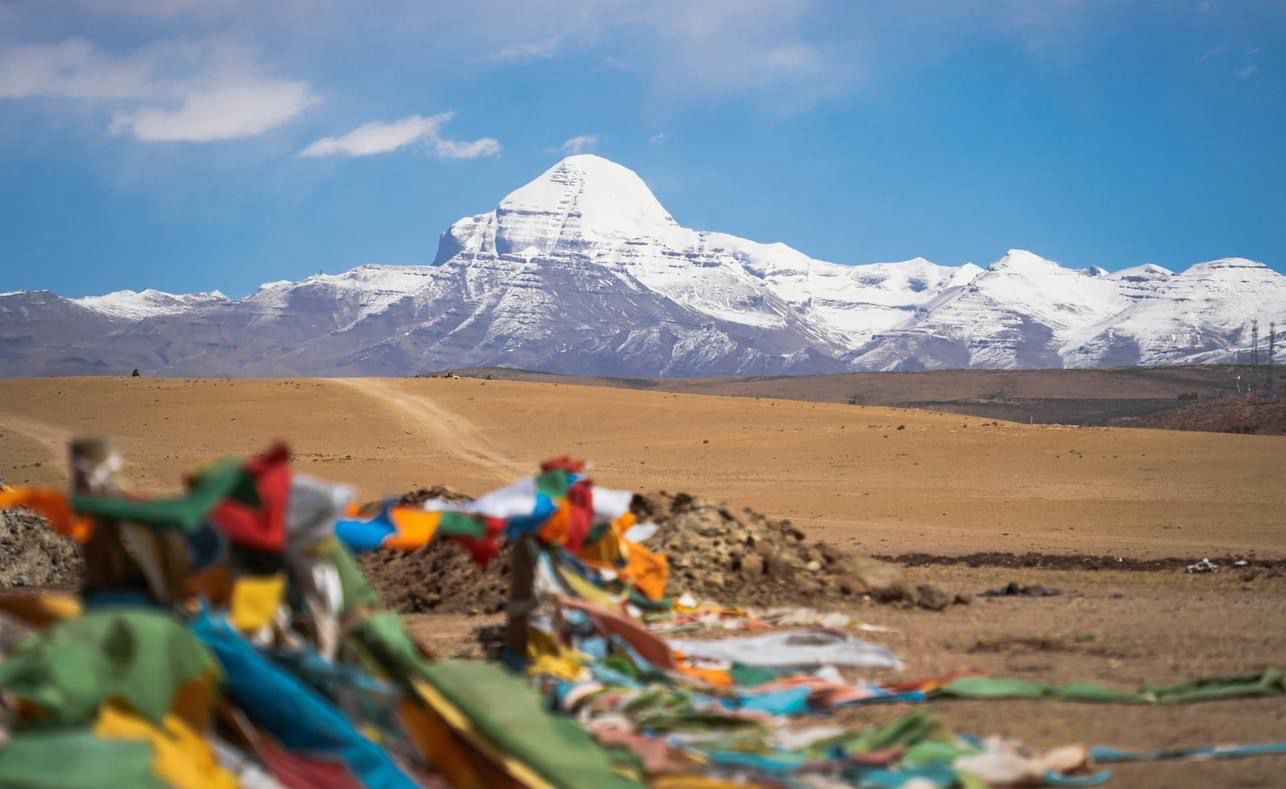
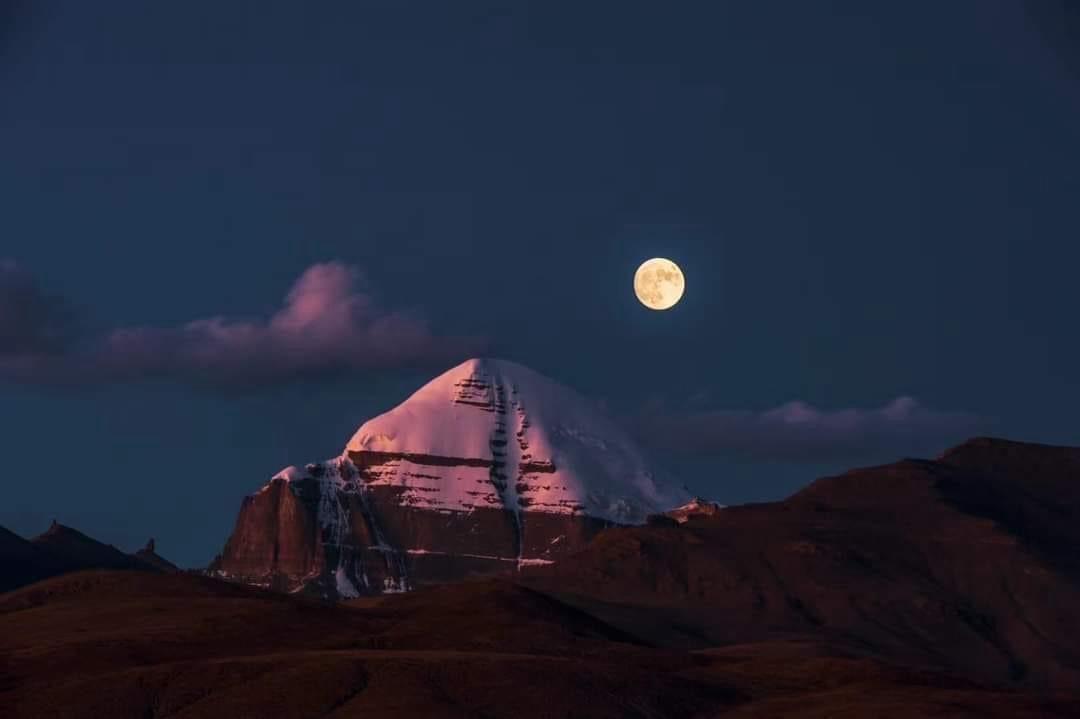
Mount Kailash, standing at 6,714 meters (22,028 feet) above sea level, is revered as the most sacred place and is said to be the home of the Hindu Lord Shiva.

These are five facts that you need to have a look at before beginning the Yatra to Kailash Parvat (mountain).

Attainment of the ultimate Nirvana

Ancient Asian tales have regarded Mount Kailash, which is associated with the holy Kailash Mansarovar Yatra, as a hallowed location for all time. Several ideas claim it to be the origin and center of the world (axis mundi).

Pilgrims believe that if they complete the journey and have a heavenly perspective of the Abode, they will reach Nirvana and have all of their sins forgiven.

Holy Sites for Four Religions

Buddhists believe Mount Kailash is the home of Avalokiteshvara, known as the Buddha of Compassion. Whereas Bon believed that their saint Shanrab had fallen from Heaven on this holy site. Adinath, the Jains’ first teacher, is said to have obtained Nirvana (liberation) here, according to the Jains.

Anyone who travels here and participates in the pilgrimage will sense the incredible strength and tranquility that this area possesses. Anyone who travels here is thought to achieve enlightenment.

Source of Four Important Rivers

Holy Mount Kailash is the source of four of the main rivers that flow across the Indian subcontinent: the Ganges (also known as the Karnali, the longest river in Nepal) flows on the south side, whereas, the Indus, the Sutlej, and the Brahmaputra (the Yarlung Tsangpo) in the east, west, and north, respectively.

Sacred Lakes

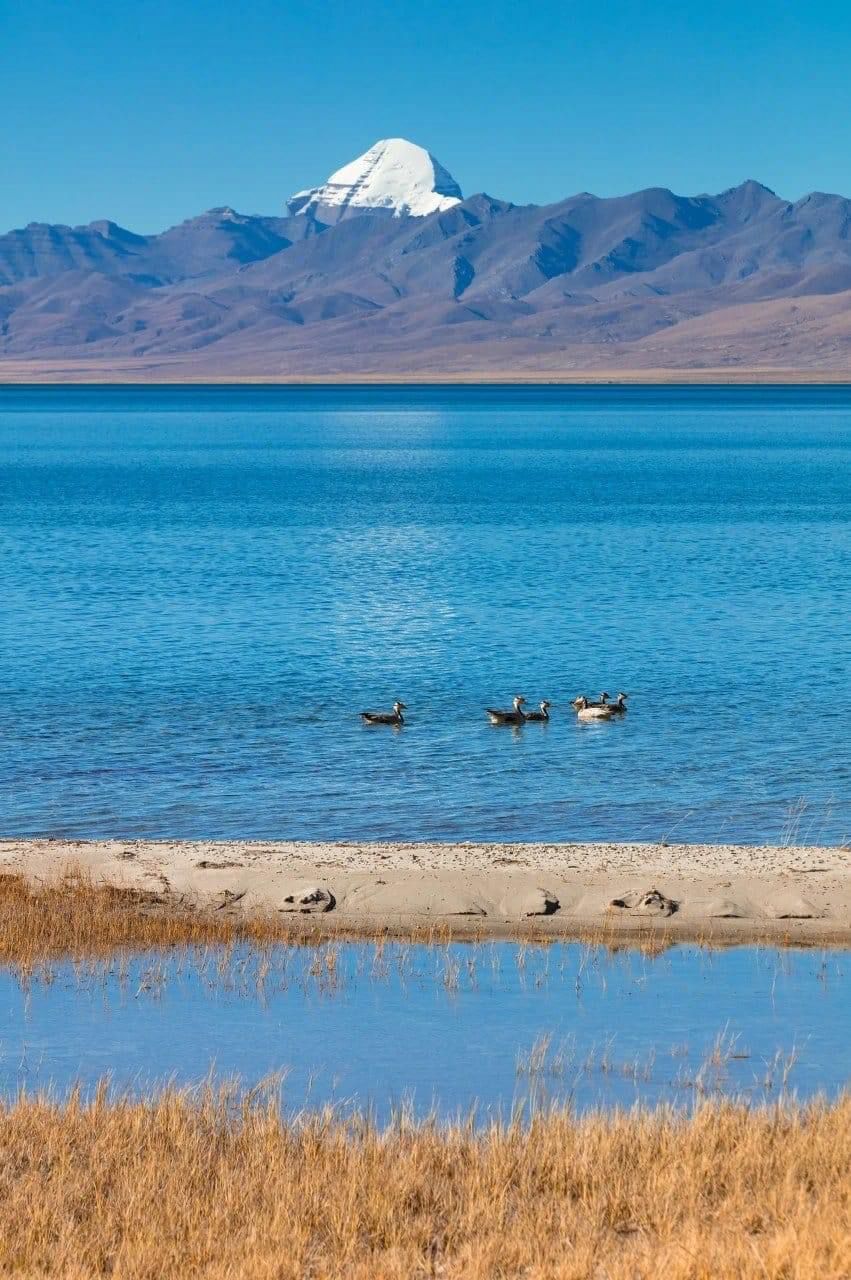
Mount Kailash itself is sacred and the holiest in the world, but the holy Kailash Parvat holds two sacred lakes: Mansarovar (God’s Lake) and Rakshas Taal (Demon’s Lake).

These two lakes are very different in terms of their shape and nature. Mansarovar is quiet and looks like the full moon, while Rakshas Taal looks is in a crescent shape and is violent in nature. It is the manifestation of the knowledge this holy Kailash Parvat holds, which shows the good and bad sides.

The Parikrama of Mount Kailash & Lake Manasarovar

Hindus believe that visiting the majestic holy Mount Kailash is incomplete without the holy Parikrama(circumambulation) of the magnificent Mount Kailash & Lake Manasarovar.

As the holy Kailash Parvat is revered by Hindus as the residence of the supreme Lord Shiva, doing a circumambulation is the most auspicious and complete way to worship the Lord Shiva and his consort Parvati. It will take 3-4 days to complete the 100 km-long Parikrama of Mt. Kailash and Mansarovar.

Conclusion:

The Kailash Mansarovar yatra is heavenly in and of itself, and along the road, you may see other locations that have special and spiritual importance in the thoughts of the pilgrims who come here from all over the world. This pilgrimage is the most difficult and adventurous in the entire globe. A variety of snow-capped mountains, rich green valleys, endlessly extending arid areas, and stunning lakes will all be present for you to see. It truly is a once-in-a-lifetime event and a journey that should be on everyone’s “bucket list.”

Asthapad and its importance to Jain

Mount Kailash, standing at 6,714 meters (22,028 feet) above sea level is revered as the most sacred place on the Earth. Once you enter the Kailash Range, you will be welcomed with so many attractions and shrines holding great religious significance & spiritual value to different religions and believers. One of the holiest shrines of Jain lies in this Kailash Region, Asthapad.

Meaning of Asthapad Holiest Shrine of Jain & its relation with Mount Kailash

Asthapad, which means the Eight Steps, a mountain at an elevation of 4900 meters where you can get a close-up look of the south face of Mount Kailash, is one of the most important tourist destinations and a location of great religious significance that resembles the birth of Jain Religion.

When Rishabhdeva, the first Tirthankara of the Jain faith, ascended the Asthapad mountain’s eight stairs, he gained Nirvana. According to some, Asthapad refers to eight distinct mountains. Some even claim that Asthapad encompasses the whole Himalayan area.

At the spot where Rishabhdeva gained Nirvana (Salvation), Chakravarti King Bharata, the son of Rishabhdeva, erected a massive palace composed of diamonds and other stones. It takes eight steps to get to this palace, and Asthapad might also refer to those eight stairs.

For this reason, Jains have a strong sense of confidence in Mount Kailash and are very devoted to it. They only have one goal in mind as they go on the Kailash Mansarovar Yatra: to perform the most important pilgrimages of their lives.

Exploration of Asthapad

In the past, people thought it was close to Mount Kailash and Mansarovar. Nevertheless, efforts made through two exploratory excursions as well as satellite monitoring of all the mountain ranges in the region could not provide any conclusive evidence of Ashtapad’s presence there.

However improvements were made recently and Dr. Lata Bothra (an authoritative Indian scholar of Jainology, Antiquity, and Archaeology) has revealed research saying that the Asthapad may be in the Sichuan Province in South West China near the Tibetan border. Also, there are eight peaks that may resemble the name “Asthapad (eight peaks)” and the beliefs of Jain.