

Kailash Mansarovar Overland Tour: Complete Guide, Cost & Travel Tips
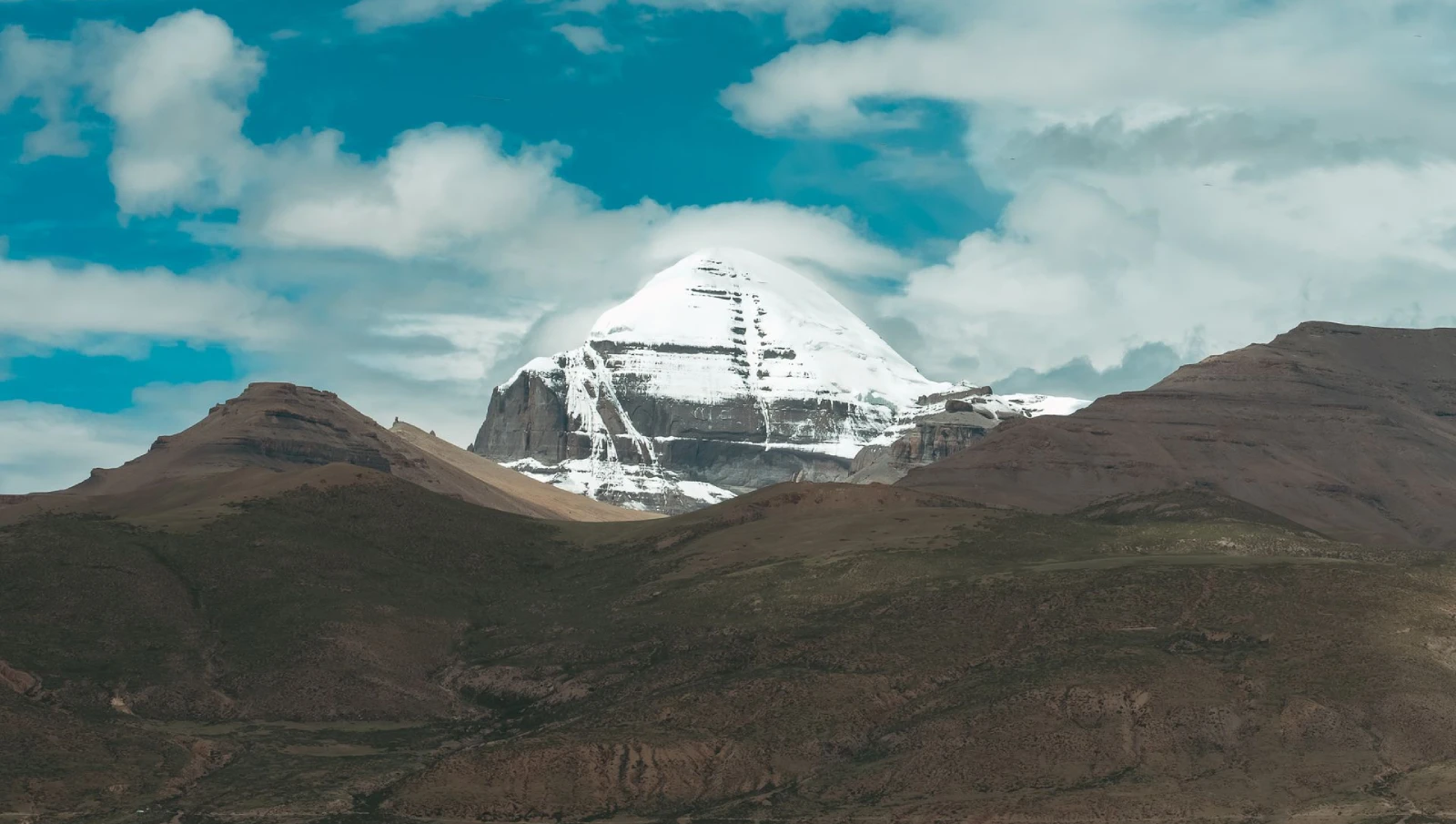
The Kailash Mansarovar Overland Tour is more than just a journey through the Himalayas—it’s a life-changing pilgrimage that blends spirituality, breathtaking landscapes, and cultural discovery. Every year, thousands of devotees, trekkers, and adventure travelers embark on this sacred expedition to witness the majestic Mount Kailash and the serene waters of Lake Mansarovar in Tibet.
Revered by Hindus, Buddhists, Jains, and followers of the Bon religion, Mount Kailash is believed to be one of the world’s holiest mountains. Unlike other famous peaks, climbing Mount Kailash is strictly prohibited out of respect for its profound spiritual significance. Instead, pilgrims perform the sacred Kailash Kora (Parikrama)—a 52-kilometer circumambulation believed to cleanse sins, bring spiritual merit, and symbolize the journey toward enlightenment.
The overland route from Kathmandu, Nepal, has become one of the most popular ways to reach Kailash Mansarovar. Traveling through the scenic Tibetan Plateau allows pilgrims to gradually acclimatize to high altitude while enjoying spectacular mountain views, traditional Tibetan villages, pristine lakes, and vast grasslands.
Whether you’re planning a religious pilgrimage, seeking inner peace, or simply dreaming of one of the world’s most extraordinary road journeys, this comprehensive guide covers everything you need to know—from the itinerary and highlights to travel tips, costs, and preparation.
What is the Kailash Mansarovar Overland Tour?
The Kailash Mansarovar Overland Tour is a multi-day pilgrimage and sightseeing journey, Kailash Mansarovar Yatra from Kathmandu and crosses into Tibet via the Kerung border. Travelers continue by road across the vast Tibetan Plateau before reaching the sacred destinations of Lake Mansarovar and Mount Kailash.
Unlike helicopter tours that shorten travel time, the overland route emphasizes gradual altitude gain, allowing participants to adapt naturally to higher elevations. This makes it a preferred choice for many pilgrims and travelers seeking a safer and more immersive Himalayan experience.
The journey combines comfortable road travel with one of the world’s most spiritually significant treks—the three-day Kailash Kora around Mount Kailash.
Tour Overview
| Tour Information | Details |
| Tour Duration | 13–15 Days |
| Starting Point | Kathmandu, Nepal |
| Destination | Mount Kailash & Lake Mansarovar, Tibet |
| Maximum Elevation | Dolma La Pass (5,630 m / 18,471 ft) |
| Main Activities | Pilgrimage, Overland Drive, Sightseeing, Kora Trek |
| Best Season | April to October |
| Difficulty | Moderate to Challenging |
The combination of cultural exploration, spectacular scenery, and deep spiritual significance makes this one of the most rewarding Himalayan journeys.
Why Choose the Overland Route?
Many travelers wonder whether they should choose an overland tour or a helicopter package. While both options offer access to Mount Kailash, the overland route provides several unique advantages.
Better Acclimatization
One of the biggest benefits is gradual altitude adjustment. Instead of ascending rapidly, travelers spend several days driving through Tibet, allowing the body to adapt naturally. This significantly reduces the risk of altitude-related discomfort.
Rich Scenic Experience
The journey itself is part of the adventure. Travelers pass through picturesque valleys, snow-capped Himalayan peaks, turquoise rivers, wide-open grasslands, and the vast Tibetan Plateau, offering countless opportunities for photography and quiet reflection.
Deeper Cultural Immersion
Traveling overland allows visitors to experience authentic Tibetan culture. Along the way, you’ll encounter traditional villages, ancient monasteries, colorful prayer flags, and local communities that have preserved their customs for generations.
Comfortable Road Journey
Modern tourist vehicles make the drive comfortable, with planned stops for acclimatization, sightseeing, and overnight stays. The route is designed to balance travel time with rest, helping pilgrims conserve energy before the Kailash Kora.
Excellent Value
Compared to helicopter tours, overland journeys generally offer a more comprehensive experience with additional sightseeing, making them an excellent option for travelers who want to enjoy both the pilgrimage and the landscapes of Tibet.
Why Visit Mount Kailash and Lake Mansarovar?
Few places in the world inspire as much reverence and fascination as Mount Kailash and Lake Mansarovar. These sacred landmarks attract pilgrims from diverse faiths, each with their own traditions and beliefs.
The Sacred Mount Kailash
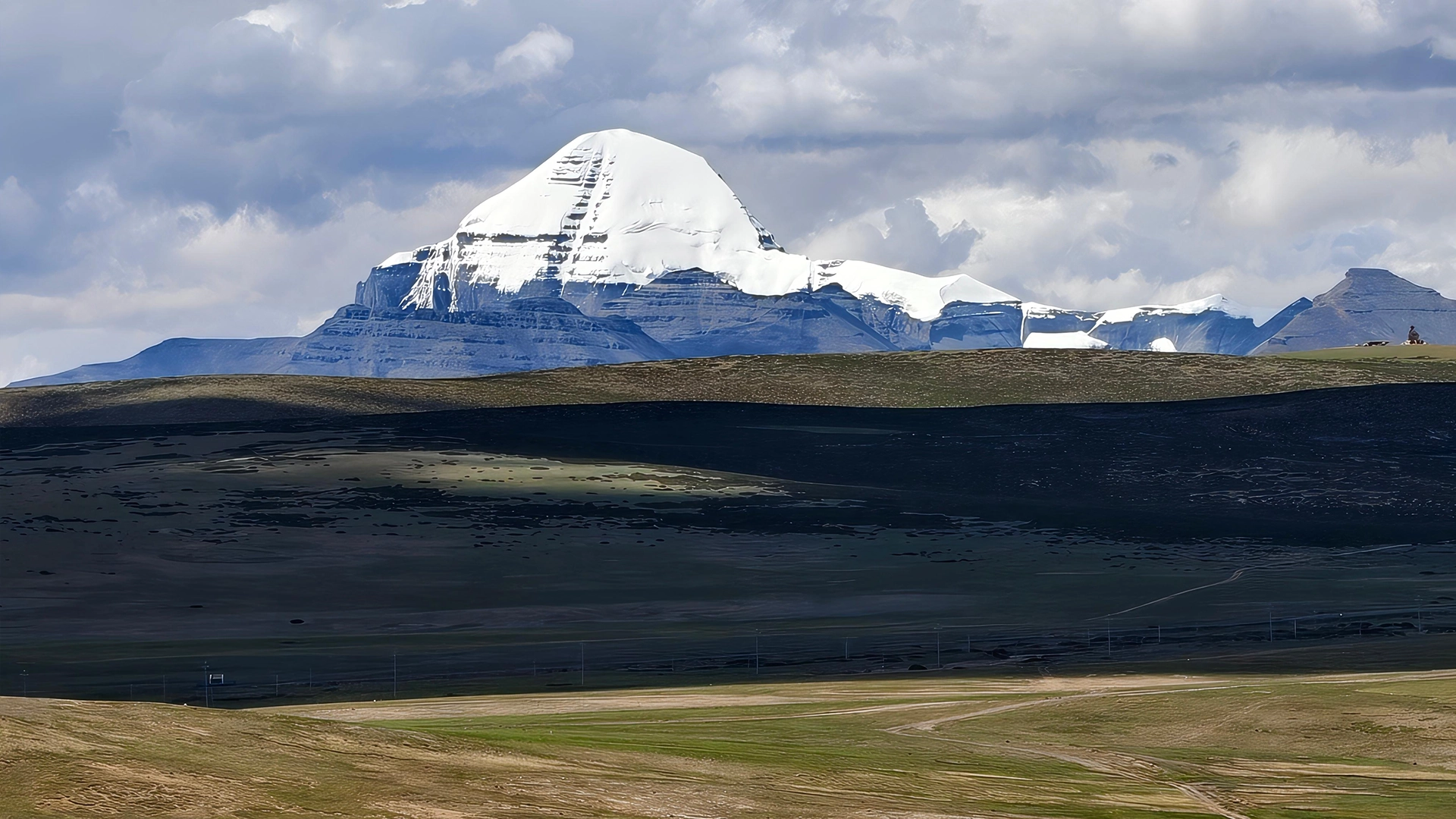
Standing at 6,638 meters (21,778 feet), Mount Kailash rises dramatically above the Tibetan Plateau. Although it is not among the world’s tallest mountains, it is considered one of the most spiritually significant.
Its nearly symmetrical, pyramid-shaped peak has remained unclimbed due to its sacred status. For centuries, pilgrims have believed that completing the Kailash Kora brings blessings, spiritual purification, and liberation from the cycle of rebirth.
The mountain’s striking appearance, often capped with snow that glistens in the sunlight, creates an unforgettable sight that leaves a lasting impression on visitors.
Religious Significance
Hinduism
In Hindu tradition, Mount Kailash is believed to be the divine abode of Lord Shiva and Goddess Parvati. Pilgrims believe that visiting Kailash and bathing in Lake Mansarovar can wash away sins and bring spiritual liberation.
Buddhism
For Buddhists, Mount Kailash is associated with Demchok (Chakrasamvara), representing supreme bliss and enlightenment. Tibetan Buddhists perform the Kora while chanting prayers and spinning prayer wheels as acts of devotion.
Jainism
Followers of Jainism believe that Rishabhadeva, the first Tirthankara, attained liberation near Mount Kailash, making it a place of profound spiritual importance.
Bon Religion
Practitioners of the ancient Bon religion also regard Mount Kailash as their most sacred mountain and have undertaken pilgrimages here for centuries.
This shared reverence among multiple faiths makes Kailash one of the few pilgrimage destinations that unites diverse religious traditions.
The Sacred Lake Mansarovar
Located at an altitude of approximately 4,590 meters, Lake Mansarovar is one of the world’s highest freshwater lakes.
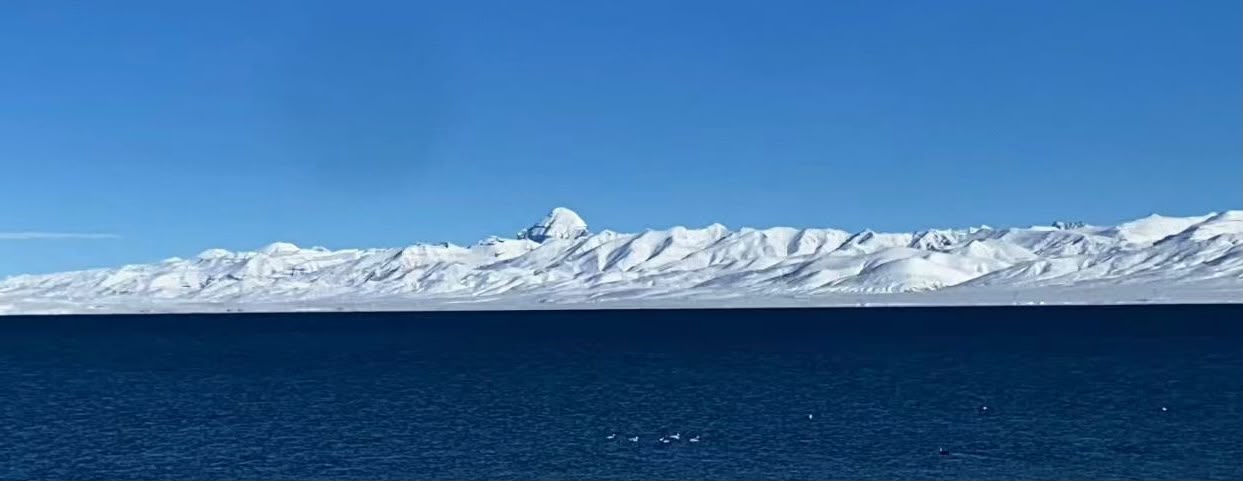
Its crystal-clear turquoise waters beautifully reflect Mount Kailash, creating one of the most iconic landscapes in Tibet.
According to Hindu belief, the lake was first conceived in the mind of Brahma, which is why it is considered exceptionally pure and sacred. Many pilgrims perform ritual bathing or collect its water to take home as a blessing.
Beyond its religious significance, Lake Mansarovar offers a peaceful atmosphere where visitors often spend time meditating, praying, or simply appreciating the silence and grandeur of the Himalayan landscape.
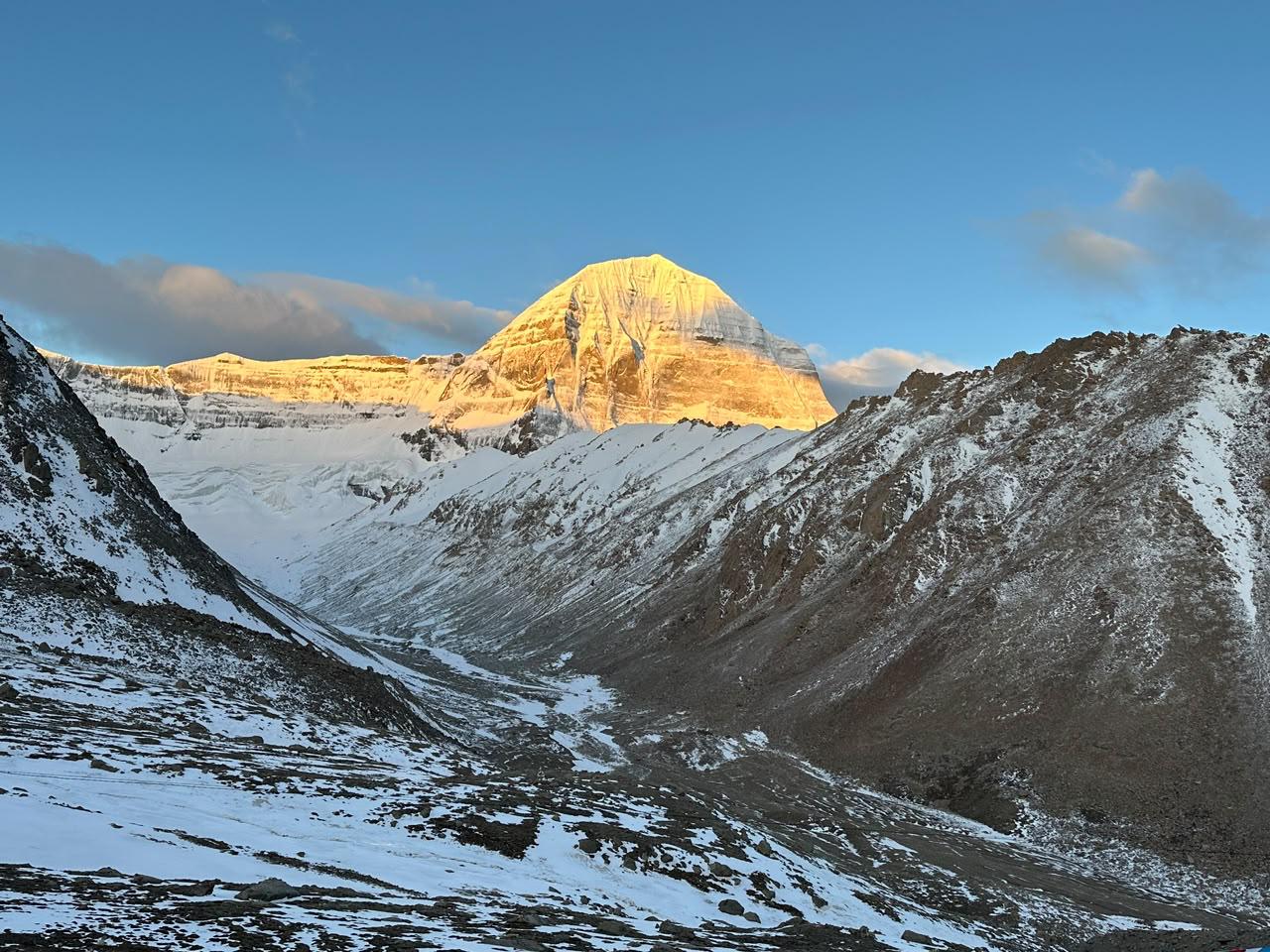
The lake’s beauty changes throughout the day, with sunrise and sunset painting the surrounding mountains in shades of gold, pink, and deep blue.
Kailash Mansarovar Overland Tour Highlights
The overland journey is filled with memorable experiences that extend far beyond reaching Mount Kailash.
Kathmandu Exploration
Your adventure begins in Nepal’s vibrant capital, where ancient temples, bustling markets, and centuries-old cultural heritage provide a fascinating introduction to the journey ahead.
Scenic Himalayan Drive
Travel through winding mountain roads, lush valleys, and dramatic landscapes before crossing into Tibet.
Kerung
The charming border town of Kerung serves as an ideal acclimatization stop. Surrounded by green hills and snow-covered peaks, it offers a gentle introduction to Tibet’s high-altitude environment.
The Tibetan Plateau
Driving across the Tibetan Plateau is one of the tour’s most unforgettable experiences. Endless grasslands, snow-covered mountain ranges, crystal-clear rivers, and wide-open skies create a landscape unlike anywhere else on Earth.
Saga
Saga is an important overnight stop where travelers continue acclimatizing while experiencing the unique culture and hospitality of western Tibet.
Lake Mansarovar
Witnessing the tranquil beauty of Lake Mansarovar is often an emotional highlight of the journey. Many pilgrims participate in prayers, meditation, and religious ceremonies along its shores.
Darchen
This small Tibetan town serves as the base camp for the Kailash Kora and marks the beginning of the pilgrimage around the sacred mountain.
Yam Dwar
Known as the “Gateway of the God of Death,” Yam Dwar symbolizes the spiritual entrance to the Kailash Kora. Pilgrims begin their sacred walk from this revered site with prayers and devotion.
Mount Kailash Kora
Walking around Mount Kailash is considered the spiritual heart of the journey. Every step offers magnificent mountain scenery and opportunities for reflection and personal growth.
Dolma La Pass
At 5,630 meters, Dolma La Pass is the highest point of the pilgrimage. Although physically demanding, reaching the pass is one of the most rewarding achievements for pilgrims.
Gauri Kund
Located below Dolma La Pass, this sacred emerald-colored lake is associated with Goddess Parvati and is revered in Hindu tradition.
Stunning Himalayan Sunrises
Throughout the tour, you’ll witness spectacular sunrises and sunsets illuminating Mount Kailash, Lake Mansarovar, and the surrounding Tibetan Plateau—moments that remain etched in memory long after the journey ends.
Route Map and Driving Distances
The overland route follows a carefully planned path through Nepal and Tibet.
| Route | Approximate Distance |
| Kathmandu → Kerung Border | 145 km |
| Kerung → Saga | 230 km |
| Saga → Lake Mansarovar | 450 km |
| Lake Mansarovar → Darchen | 35 km |
| Darchen → Yam Dwar | 8 km |
| Kailash Kora | 52 km |
| Return via Saga and Kerung | Same Route |
The entire round-trip journey covers well over 1,800 kilometers, offering a remarkable cross-section of Himalayan and Tibetan landscapes.
Kailash Kora (Parikrama) Explained
The Kailash Kora, also known as the Parikrama, is the spiritual centerpiece of the pilgrimage. Rather than climbing Mount Kailash—which is prohibited due to its sacred status—pilgrims walk around the mountain in a clockwise direction (anti-clockwise for followers of the Bon tradition).
The circuit is approximately 52 kilometers (32 miles) long and is traditionally completed over three days.
Day 1 of the Kora
The first day involves a gradual trek from Darchen to Dirapuk. This section is relatively easy and offers stunning views of Mount Kailash’s north face.
Day 2 of the Kora
The second day is the most demanding, as pilgrims cross Dolma La Pass (5,630 m). The steep ascent, high altitude, and long walking hours make this the most physically challenging stage.
Despite the effort, many travelers describe it as the most meaningful part of the pilgrimage.
Day 3 of the Kora
The final section descends through a beautiful valley before returning to Darchen. Completing the circuit is considered a profound spiritual achievement.
Can You Skip the Kora?
Yes. Travelers who are unable to complete the trek due to age, health conditions, or personal preference can remain in Darchen while the rest of the group performs the Kora.
This flexibility makes the overland tour accessible to a wider range of pilgrims.
Horse and Porter Services
Pilgrims who need assistance during the trek can usually hire:
- Horses or ponies for riding
- Local porters to carry luggage
- Personal daypacks carried separately
These services are especially helpful for senior travelers or those concerned about the physical demands of high-altitude trekking.
Best Time for Kailash Mansarovar Overland Tour
Choosing the right season can greatly enhance your experience. Weather conditions, road accessibility, and visibility all vary throughout the year.
Spring (April to May)
Spring is one of the best seasons for the Kailash Mansarovar Overland Tour. Temperatures are relatively mild, skies are often clear, and mountain views are spectacular. The roads are generally in good condition after winter, making travel more comfortable.
Ideal for:
- Pleasant weather
- Photography
- Comfortable sightseeing
- Pilgrims seeking fewer crowds
Summer (June to August)
Summer brings warmer daytime temperatures and lush scenery across parts of Tibet. Although occasional rainfall can occur on the Nepal side of the journey, the Tibetan Plateau typically remains much drier.
This period also coincides with the renowned Saga Dawa Festival, one of the holiest celebrations in Tibetan Buddhism. Pilgrims from across Tibet gather around Mount Kailash to commemorate the birth, enlightenment, and passing of the Buddha. Experiencing this festival adds a unique cultural and spiritual dimension to the pilgrimage.
Ideal for:
- Cultural immersion
- Festival experiences
- Longer daylight hours
Autumn (September to October)
Autumn is widely regarded as the finest season for the overland tour. Stable weather, crisp air, and exceptional visibility create ideal conditions for both sightseeing and the Kailash Kora.
The surrounding mountains often appear especially vivid after the summer season, making this a favorite time for photographers and nature enthusiasts.
Ideal for:
- Clear mountain views
- Comfortable trekking temperatures
- Excellent road conditions
- Photography
Seasonal Weather Overview
| Season | Temperature | Visibility | Recommended |
| April–May | Cool to Mild | Excellent | ★★★★★ |
| June–August | Mild to Warm | Good | ★★★★☆ |
| September–October | Cool | Outstanding | ★★★★★ |
Travel Tip: Regardless of the season, temperatures can drop well below freezing at night in high-altitude areas. Layered clothing, insulated outerwear, gloves, and a warm sleeping layer are essential for comfort throughout the journey.
Tibet Visa and Travel Permits
Traveling to Mount Kailash requires several official permits in addition to a valid passport.
Your tour operator generally handles all permit arrangements, making the process straightforward for travelers.
Chinese Group Visa
Unlike regular Chinese tourist visas, pilgrims entering Tibet from Nepal require a Chinese Group Visa, which is issued in Kathmandu.
Travelers usually need to remain in Kathmandu for a few days while the visa is processed.
Tibet Travel Permit
Every foreign visitor traveling to Tibet must obtain a Tibet Travel Permit before entering the region.
This document is arranged through an authorized Tibetan travel agency.
Alien’s Travel Permit
Because Mount Kailash is located in a restricted area of Tibet, an additional travel permit is required beyond the standard Tibet Travel Permit.
Your tour operator obtains this permit before the journey begins.
Passport Requirements
Your passport should:
- Be valid for at least six months
- Have sufficient blank pages
- Be in good physical condition
Any damaged passports may delay visa processing.
Physical Fitness and Altitude Considerations
One of the most common questions travelers ask is whether they are physically capable of completing the Kailash Mansarovar pilgrimage.
The good news is that many people successfully complete the tour each year with proper preparation and realistic expectations.
Highest Altitude
The highest point of the pilgrimage is:
Dolma La Pass
5,630 meters (18,471 feet)
At this altitude, oxygen levels are significantly lower than at sea level, making physical activity more demanding.
Understanding Altitude Sickness
Some travelers may experience mild symptoms of altitude sickness, including:
- Headache
- Fatigue
- Loss of appetite
- Difficulty sleeping
- Mild dizziness
- Shortness of breath during exertion
Most symptoms improve with proper acclimatization, hydration, and rest.
Fitness Recommendations
You don’t need to be a professional trekker, but preparing your body before departure makes the experience more enjoyable.
Recommended activities include:
- Walking 5–10 kilometers several times a week
- Climbing stairs
- Light jogging
- Cycling
- Yoga and breathing exercises
- Strengthening leg muscles
Starting a fitness routine at least 6–8 weeks before departure is ideal.
Who Should Consult a Doctor?
Travelers with the following conditions should seek medical advice before booking:
- Heart disease
- Chronic lung conditions
- Uncontrolled high blood pressure
- Recent major surgery
- Severe asthma
Always carry any prescribed medications and inform your tour leader of important medical conditions.
Accommodation and Meals
Accommodation during the journey varies between Nepal and Tibet.
Kathmandu
Travelers usually stay in comfortable 3-star to 5-star hotels with private bathrooms, Wi-Fi, restaurants, and modern facilities.
Tibet
Hotels and guesthouses are generally simple but comfortable.
Facilities often include:
- Twin-sharing rooms
- Heated dining areas (where available)
- Shared or private bathrooms depending on the location
- Basic electricity supply
Accommodation becomes more basic during the Kailash Kora due to the remote mountain environment.
Food During the Tour
Most tour operators provide freshly prepared meals throughout the Tibet portion of the trip.
Common meals include:
Breakfast:
- Bread
- Eggs
- Porridge
- Tea
- Coffee
Lunch and Dinner:
- Rice
- Noodles
- Vegetable dishes
- Lentils
- Soup
- Chicken or yak meat (where available)
Vegetarian meals are widely available and preferred by many pilgrims.
Drinking Water
Always drink purified or bottled water.
Many travelers also carry reusable bottles with portable water purification tablets or filters.
Transportation During the Tour
Transportation is provided in well-maintained tourist vehicles suitable for Tibetan road conditions.
Depending on group size, transportation may include:
- Toyota Land Cruisers
- Luxury 4WD vehicles
- Tourist minibuses
- Comfortable coaches
Road conditions have improved considerably in recent years, making the overland route more comfortable than ever before.
Daily driving distances are balanced with sightseeing and acclimatization stops.
Photography and Internet Access
The Kailash Mansarovar Overland Tour offers countless photography opportunities, from snow-covered peaks and sacred lakes to colorful monasteries and wildlife on the Tibetan Plateau.
Keep these tips in mind:
- Bring extra camera batteries, as cold temperatures reduce battery life.
- Carry sufficient memory cards for high-resolution photos.
- Respect photography restrictions at monasteries and military areas.
- Ask for permission before photographing local people.
Internet and mobile connectivity are available in larger towns like Kerung and Saga but become limited near Mount Kailash and along the Kora. Consider informing family and friends in advance that communication may be intermittent.
Responsible and Respectful Pilgrimage
Mount Kailash and Lake Mansarovar are among the world’s most sacred destinations. Respecting local traditions and protecting the fragile Himalayan environment are essential responsibilities for every traveler.
Follow Local Customs
Dress modestly, respect religious ceremonies, and follow your guide’s instructions at monasteries and sacred sites.
Protect the Environment
Carry reusable water bottles whenever possible, avoid littering, and dispose of waste responsibly. Leave the landscapes exactly as you found them so future pilgrims can enjoy the same pristine environment.
Respect Wildlife
Observe animals from a distance and avoid disturbing their natural habitat.
Support Local Communities
Buying locally made handicrafts or using local services helps support families living in remote Tibetan regions.
A respectful approach not only enriches your own experience but also helps preserve the cultural and spiritual heritage of Mount Kailash for generations to come.
Who Should Choose the Kailash Mansarovar Overland Tour?
This tour is ideal for:
- Hindu pilgrims seeking a sacred Yatra
- Buddhist practitioners on a spiritual journey
- Adventure travelers interested in high-altitude road trips
- Nature lovers who appreciate dramatic Himalayan landscapes
- Photographers looking for unique mountain scenery
- Families with good preparation
- Senior travelers who prefer gradual acclimatization over rapid ascent
- First-time visitors to Tibet
Frequently Asked Questions
Is the Kailash Mansarovar Overland Tour difficult?
The tour is considered moderately challenging due to the high altitude. The most demanding section is the three-day Kailash Kora, especially the ascent to Dolma La Pass.
How many days does the tour take?
Most overland tours last 13 to 15 days, depending on the itinerary and road conditions.
What is the best time to visit?
The best months are April to June and September to October, when the weather is generally stable and mountain views are at their clearest.
Can beginners complete the Kailash Kora?
Yes. With reasonable fitness, proper acclimatization, and a steady pace, many first-time trekkers successfully complete the Kora.
Can senior citizens join?
Many senior pilgrims participate each year. However, they should consult their doctor before traveling and carefully consider the physical demands of high-altitude trekking.
Is vegetarian food available?
Yes. Vegetarian meals are widely available and are commonly chosen by pilgrims during the journey.
Do I need travel insurance?
Yes. Comprehensive travel insurance covering high-altitude trekking, emergency medical treatment, and evacuation is strongly recommended.
Can I hire a horse?
Yes. Horses and local porters are usually available for hire during the Kailash Kora, subject to availability.
Final Thoughts
The Kailash Mansarovar Overland Tour is far more than a vacation—it’s a journey that combines faith, adventure, culture, and some of the most spectacular scenery on Earth. From the vibrant streets of Kathmandu to the vast Tibetan Plateau, the tranquil shores of Lake Mansarovar, and the awe-inspiring presence of Mount Kailash, every stage of the pilgrimage offers moments of reflection, discovery, and personal growth.
Choosing the overland route allows travelers to acclimatize gradually, experience authentic Tibetan culture, and fully appreciate the dramatic landscapes that make this region so unique. While the journey requires preparation and determination, the rewards are immeasurable for pilgrims, photographers, and adventure seekers alike.
If you’re planning your Kailash Mansarovar Overland Tour, book with an experienced and licensed operator, prepare physically in advance, arrange comprehensive travel insurance, and pack thoughtfully for high-altitude conditions. With careful planning and the right support, you’ll be ready to undertake one of the world’s most meaningful and unforgettable pilgrimages.
Whether your goal is spiritual fulfillment, cultural exploration, or witnessing one of the Himalayas’ most sacred destinations, the Kailash Mansarovar Overland Tour promises an experience that will stay with you long after you return home.
Related Blogs
Kailash Mansarovar Yatra Preparation for 2027: Food, Packing List, Fitness Guide
The walk around Mount Kailash is 52 km, and you cover about 38 km of it on foot over...
Kailash Mansarovar Yatra from Kathmandu 2027: Overland Route, Pros, Cons and Inclusions
The Kailash Mansarovar Yatra from Kathmandu follows the road that pilgrims have driven for decades. You leave Kathmandu, cross...
Kailash Mansarovar Yatra for NRI
Kailash Mansarovar Yatra for NRIs is a pilgrimage option for Indian citizens living abroad but holding a passport other...