
Muktinath Yatra – 6 Days

The Muktinath Yatra Tour in Nepal is one of the most sacred pilgrimages for both Hindus and Buddhists. The revered Muktinath Temple (मुक्तिनाथ मन्दिर), also known as Muktidham or Muktishetra, lies in the serene Mustang district of Nepal, north of Pokhara, at an altitude of 3,710 meters (12,172 feet) beneath the majestic Nilgiri Mountain. This holy site sits close to the Kaligandaki River, the only river on Earth where the sacred Shaligram stones, the fossilized symbols of Lord Vishnu, are naturally found. Near Kagbeni lies Hansa Tirtha, where devotees perform Pitri Tarpanam to honor their ancestors.

Spiritual Significance of Muktinath Yatra

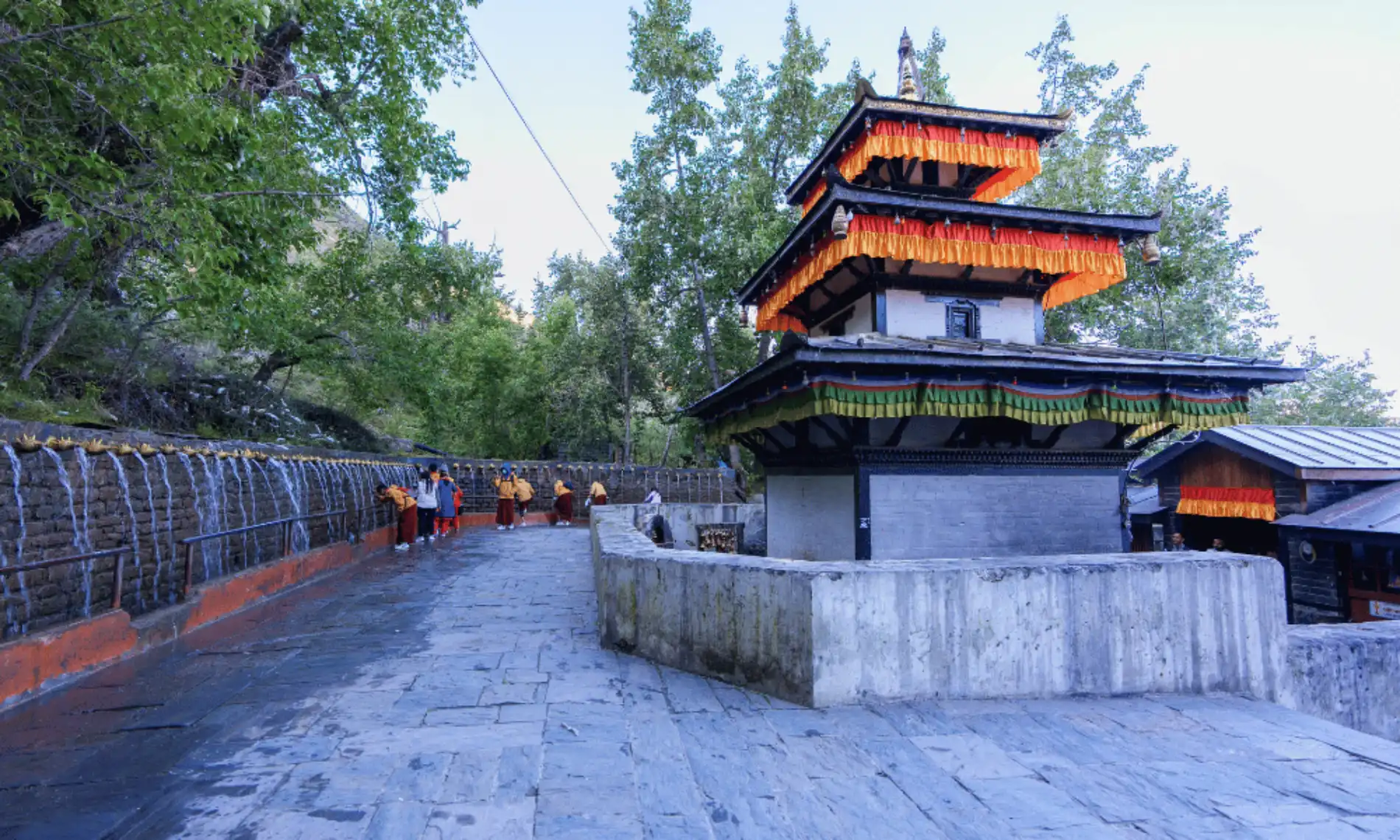
Muktinath, meaning “the place of liberation,” is revered as a sacred site of salvation (Mukti). The temple complex is renowned for its 108 water spouts in the shape of cow mouths (Gau Mukh) and two holy ponds—Paap Kunda and Punya Kunda—where pilgrims bathe to cleanse themselves of past sins and impurities.

Inside the temple stands a life-sized copper idol of Lord Shri Vishnu, seated in Padmasana (lotus posture) and adorned in yellow attire. On his right stands Saraswati Mata (Bhu Devi), the goddess of knowledge, while on his left is Laxmi Mata (Shri Devi), the goddess of wealth and prosperity, both dressed in red. The shrine also houses idols of Lord Ganesh, Gautam Buddha, Garuda, Alwar Acharya Shri Ramanuja, and the sacred Shaligram Shila, the divine form of Lord Vishnu.

The Legend of Lord Vishnu and the Shaligram

According to ancient Hindu scriptures, Lord Vishnu once deceived his devoted follower Vrinda, the wife of demon Jalandhar, in the process of saving the universe from evil forces. As a result of this act, he was cursed to reside on Earth as Shaligram Shila, as well as in Tulsi, Kusha grass, and the Peepal tree. The Kaligandaki River and Muktinath Dham are considered the divine places where Lord Vishnu spent his time in the Shaligram form.

Muktinath is one of the eight Swayambhu (self-manifested) shrines of Lord Vishnu and one of the 108 Divya Desams revered by the Vaishnavas. It is also said that Lord Swaminarayan, as Nilkanth Varni, visited Muktinath and performed meditation here. The temple therefore holds immense importance in Vaishnavism and Sanatan Dharma.

Pilgrimage Beliefs and Salvation

Devotees believe that Lord Vishnu performed intense tapasya (penance) at Muktinath Kshetra to cleanse himself of his earthly karma and attain salvation. Hence, Lord Vishnu is worshiped here as the God of Mukti (liberation).
Thousands of pilgrims from Nepal, India, and across the world visit Muktinath every year to offer prayers and seek freedom from the cycle of birth and rebirth.

Historical Background

The exact origin of Muktinath Temple remains unknown, but the current pagoda-style temple was built around 1815 AD by Queen Subarna Prabha Devi, the wife of King Rana Bahadur Shah of Nepal and daughter-in-law of King Prithvi Narayan Shah, the founder of modern Nepal. This makes Muktinath not just a spiritual destination but also a site of great historical and cultural value.

How to Reach Muktinath Temple

There are several ways to reach Muktinath from Kathmandu:

  • By Air: Fly from Kathmandu to Pokhara, then take a short 15-minute flight to Jomsom, followed by a short drive or trek to Muktinath.

  • By Road: Drive from Kathmandu to Pokhara, then continue via Galeshwar, Tatopani, and Jomsom, passing through the world’s deepest gorge—the Kali Gandaki Valley.

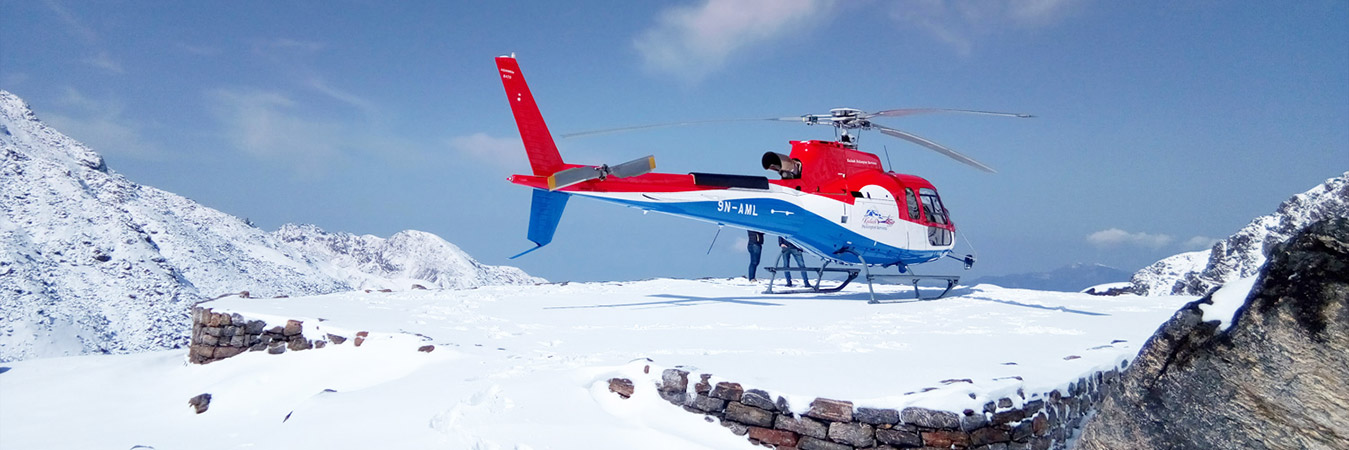
  • By Helicopter: For those seeking comfort and speed, a Muktinath Helicopter Tour from Kathmandu or Pokhara offers breathtaking aerial views of the Himalayas and the sacred Mustang region.

Important Places to Visit near Muktinath Temple.

  • Samba Gompa: The main deities of this monastery are Shakyamuni, Chingresig, & Guru Rimpoche. The monastery is situated on the left from the main entrance gate of the Muktinath temple complex.
  • Muktinath Yagyashala: Pilgrims who wish to perform yagna at Muktinath can perform in this Yagyashala.
  • Vishnu Paduka: After crossing Muktinath Yagyashala, we can see Vishnu Paduka on the right-hand side. The meditation idol of the Swaminarayan Nilkanth Varani was also placed.
  • Mukteshwar Mahadev Temple: Just in front of the Vishnu Paduka Mukteshwar Mahadev Temple is located. There is an idol of lord Shiva and Parvati and is considered as Shakti Peetha.
  • 108 Mukti Dhara: At the back courtyard of the Muktinath Temple, there are 108 water springs popularly known as Mukti Dhara, from where water is pouring from the cow’s head. It is believed that taking a bath in this chilled water has the power to rinse past sins and bad karmas, which will purify the soul.
  • Paap Kunda and Punya Kunda: In the front of the temple we can find two small ponds. The flowing water of 108 Mukti Dhara is internally connected with these ponds. It’s said that taking a bath in Paap Kunda will rinse the Paap and Punya to rinse Punya.
  • Narshing Gompa: This monastery is dedicated to Guru Rimpoche (Padmasambhava); his huge clay image is placed at the center of the altar along with the Bon deities: red Trakpo on the right side and blue Singe Doma on the left side. Since Singe Doma is a lion-headed deity, Hindus worship the deity as Narsinha and named the monastery Narsingh Gompa.
  • Jwala Mai Temple: This monastery is known as the Monastery of the Miraculous Flame. Manjushri, Avaloketeshwara, and Bajrapani are the main deities of this monastery, beneath which a natural gas blue flame burns continuously. Hindus regard this miraculous flame as an offering made by Brahma. The monastery is located south of the Muktinath temple.

Please join the Kailash Mansarovar Yatra for Muktinath tour in Nepal.

Lhasa to Kathmandu overland via Everest base camp

Lhasa to Kathmandu overland tour: 

The Lhasa to Kathmandu tour via Everest Base Camp is an epic overland journey across the majestic Himalayas — one of the most scenic drives on Earth. This trans-Himalayan adventure connects Tibet and Nepal through breathtaking landscapes, ancient monasteries, and the mighty Mount Everest. Many travelers consider this route a once-in-a-lifetime dream trip, offering a rare opportunity to experience the spiritual heart of Tibet and the natural beauty of the Himalayas in one journey.

Overview of the Lhasa to Kathmandu Overland Journey

The Lhasa to Kathmandu overland tour is an extraordinary 8–11 days journey through the Tibetan Plateau and the Himalayas. Traveling overland offers a unique perspective of Tibet’s culture, stunning landscapes, and remote villages that are inaccessible by flight. Highlights include:

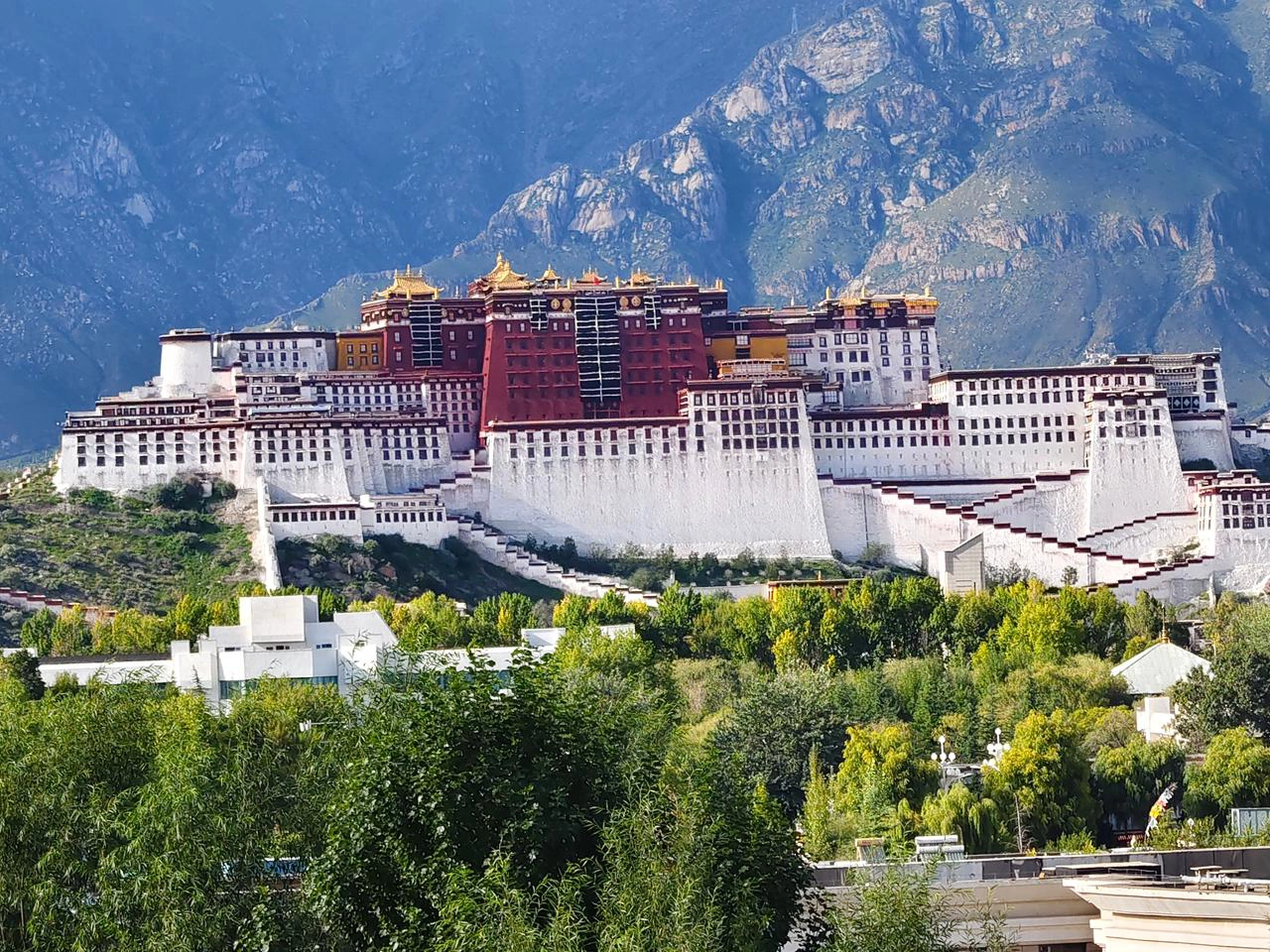
  • Potala Palace, Lhasa – Explore the iconic seat of Tibetan Buddhism.
  • Everest Base Camp (Tibet side) – Witness the towering peak of the world’s highest mountain.
  • Scenic Himalayan roads – Cross high-altitude passes with panoramic views.
  • Local Tibetan culture – Visit monasteries, traditional villages, and markets.

This route is ideal for those who want to experience Tibet beyond a typical flight-based tour, offering an immersive experience of the region’s culture, history, and natural beauty.

Journey Across the Tibetan Plateau

Leaving Lhasa, the journey continues across the vast Tibetan Plateau, known as “the Roof of the World.” You’ll drive through traditional villages and rolling highlands, passing by the turquoise waters of Lake Yamdrok Tso, one of Tibet’s most beautiful sacred lakes. The reflection of snow-capped peaks shimmering on the lake makes it a photographer’s paradise.

As you proceed toward Shigatse, Tibet’s second-largest city, you’ll explore the historic Tashilhunpo Monastery, the seat of the Panchen Lama. Along the way, witness stunning views of the Himalayan range, rural Tibetan culture, and nomadic life.

Everest Base Camp – The Ultimate Highlight

The highlight of this Tibet Nepal overland adventure is the visit to Everest Base Camp (EBC) at 5,200 meters, near Rongbuk Monastery, the world’s highest monastery. Spending a night at Rongbuk provides an unforgettable view of Mount Everest (8,848 meters) — the “Top of the World.” Watching the sunrise or sunset over Everest from this vantage point is a moment of pure magic that few ever forget.

The road to Everest Base Camp is one of the most scenic drives in the world, winding through dramatic mountain passes, vast plains, and panoramic Himalayan vistas.

From Tibet to Nepal – A Scenic Descent into the Himalayas

After your Everest experience, the journey descends toward the Nepal border, revealing breathtaking landscapes — from rugged Tibetan highlands to lush Nepali valleys. The overland drive to Kathmandu offers a spectacular transition from the barren beauty of Tibet to the greenery and cultural richness of Nepal.

Your local Tibetan and Nepali guides ensure a seamless transfer at the border and a comfortable continuation of your trip. Once in Kathmandu, explore the vibrant streets, ancient temples, and cultural heritage sites such as Swayambhunath (Monkey Temple), Pashupatinath Temple, and Boudhanath Stupa before heading home.

Best Time to Travel

The best seasons for the Lhasa to Kathmandu overland tour are:

Spring (March – May)

  • Clear skies, blooming rhododendrons.
  • Moderate temperatures and excellent visibility.
  • Ideal for trekking and photography.

Autumn (September – November)

  • Stable weather, crystal-clear mountain views.
  • Peak trekking season with pleasant temperatures.
  • Vibrant local festivals and cultural events.

⚠️ Avoid Winter (Dec–Feb) due to extreme cold and heavy snow. Monsoon (Jun–Aug) brings landslides and road closures.

Required Permits & Visa Information

Tibet Entry

  • Tibet Travel Permit is mandatory.
  • All permits are arranged by the tour operator.
  • Passport copies are required in advance.

Nepal Entry

  • Valid Nepal visa available on arrival for most nationalities.
  • Ensure passport validity of at least 6 months.

Difficulty Level & Fitness Requirement

  • Moderate difficulty: Suitable for travelers with basic fitness.
  • Long drives and high-altitude trekking require stamina.
  • Not recommended for individuals with serious heart or respiratory conditions.

💡 Tip: Train with short hikes and cardio exercises before the tour.

Why Choose This Lhasa to Kathmandu Overland Tour

  • Epic Himalayan views: Witness the world’s highest peaks including Mount Everest, Cho Oyu, and Shishapangma.
  • Cultural immersion: Discover the spiritual depth of Tibetan Buddhism and the living culture of Nepal.
  • Scenic overland adventure: One of the best highways in the world, connecting two fascinating Himalayan nations.
  • Expert-guided journey: With over 25 years of experience, our team ensures a flexible, safe, and worry-free Tibet-Nepal adventure.

A Once-in-a-Lifetime Trans-Himalayan Experience

From the rooftop city of Lhasa to the vibrant valley of Kathmandu, this Everest Base Camp overland tour combines spiritual exploration, cultural discovery, and natural grandeur. It’s more than just a journey — it’s an unforgettable experience that connects you deeply with the Himalayan spirit and the timeless cultures of Tibet and Nepal.

Limited seats – book now with Kailash Mansarovar Yatra for the 2025 season

Chardham Yatra India with Gaumukh trek

Chardham yatra india

The CharDham Yatra is a Hindu Pilgrimage circuit in the Garhwal region of Uttarakhand, India, Consisting of four sacred sites: Yamunotri, Gangotri, Kedarnath, and Badrinath. The pilgrimage is traditionally undertaken in a clockwise sequence, starting with Yamunotri and ending with Badrinath.

Gangotri Temple:

This holy temple belongs to the goddess Ganga. She is the Goddess of Moksha. Therefore, if she gets happy with you, you get yourself free from all your sins. Also, she makes your soul free from the cycle of life and death. With her blessing, you get a permanent, respectful position in heaven. Therefore, it’s the place you must visit. It’s the place where the goddess Ganga came first when Lord Shiva released her from his hair lock. It was Gorkha General Amar Singh Thapa who constructed this temple in the 18th Century, on the bank of the river Bhagirathi.

Vishwanath temple:

This holy temple is in the name of Lord Shiva, and is full of amazing wonders. As there’s a Trishul which is 8 feet 9 inches long and has the 26 feet. Also, inside the temple, there is a Shivlinga which is 56 cm high and has an elevation towards the south. As per belief, the tour to Gangotri is incomplete without visiting this temple, and therefore, this temple is highly important. Outside the temple, Nandi Baba is guarding the temple premises. As per belief, right now, it’s the only place where Lord Shiva is present in his Swyambhu Shivlinga form.

Shakti Temple:

The Shakti temple of Uttarkashi is one of the famous and holy temples in Hinduism. This temple directly belongs to Mata Shakti. Therefore, a place where Mata herself listens to you and helps you. Inside the temple, there is a trident that is 6 m tall and 90 cm in diameter. As per devotees, if you try moving this Trishul with all your body weight, you can’t succeed, but if you try the same with just your fingertips, you can easily do it. It’s a miracle if true. About this Trishul, there is a belief that it’s the original weapon of Goddess Durga that she threw to kill demons. Therefore, you must visit this place at least once.

Best Time to Visit Char Dham

The ideal time for Char Dham Yatra is between May and October, when the weather is pleasant and all temple routes are accessible. During the winter, heavy snowfall closes the temple doors, and the idols are moved to their winter homes.

Tips for Pilgrims:

  • Acclimatize yourself before traveling to high altitudes.
  • Carry warm clothes and basic medicines.
  • Hire registered tour operators or guides for a smooth journey.
  • Keep your fitness level moderate as trekking is involved in Kedarnath and Yamunotri routes.

How to Reach Char Dham

  • By Air: The nearest airport is Jolly Grant Airport, Dehradun (around 225 km from Badrinath).
  • By Train: Nearest railway stations are Haridwar and Rishikesh.
  • By Road: Well-connected road routes from Haridwar, Rishikesh, and Dehradun.

Why Choose Our Char Dham Yatra Package?

Planning a Char Dham Yatra is not just about visiting temples—it’s about experiencing a smooth, spiritually fulfilling journey through the Himalayas. That’s where we make the difference. We combine deep pilgrimage expertise with modern travel comfort, ensuring your yatra is safe, well-organized, and truly memorable.

Our Advantages

10+ Years of Pilgrimage Experience

With over a decade of experience in organizing sacred journeys across Uttarakhand, we understand every detail of the Char Dham route—from weather patterns to temple schedules. Our expertise helps avoid common travel issues and ensures a seamless pilgrimage experience.

Expert Local Guides

Our knowledgeable guides are not just travel experts but also deeply familiar with the spiritual and cultural significance of each dham—Yamunotri, Gangotri, Kedarnath, and Badrinath. They assist you throughout the journey, making your experience both informative and meaningful.

Comfortable Accommodations

After long travel days and trekking, comfort matters. We carefully select clean, hygienic, and well-located hotels and lodges so you can relax and recharge for the next day’s journey.

Customizable Itineraries

Every traveler is different. Whether you’re traveling with family, as a senior pilgrim, or in a group, we offer flexible itineraries tailored to your pace, preferences, and budget—including options like helicopter services and private transport.

24/7 On-Trip Support

From the moment you start your yatra until you return home, our support team is available round the clock. Whether it’s weather changes, health concerns, or travel adjustments, we are always just a call away.

Trusted by Thousands of Pilgrims

We take pride in being a trusted name in Char Dham Yatra tours, having successfully organized journeys for pilgrims from across India and abroad.

Families: We ensure a safe, comfortable, and well-paced journey suitable for all age groups, making it ideal for family pilgrimages.

Senior Citizens: Special attention is given to elderly travelers, including slow-paced itineraries, better accommodations, and optional helicopter services for a hassle-free experience.

Group Pilgrims: For group यात्राएँ, we provide coordinated logistics, group discounts, and dedicated support to ensure everyone travels together smoothly.

Many pilgrims also prefer Char Dham Yatra by helicopter, available from Dehradun, for a faster and more comfortable experience.

Book your Char Dham Yatra 2026 with Kailash Manasarovar Yatra and experience a once-in-a-lifetime spiritual awakening.

Char Dham Yatra

Char Dham Yatra Overview

The Char Dham Yatra is one of Uttarakhand, India’s most well-known religious yatra. Uttarakhand, the Land of Gods or Devbhoomi, is home to many temples. This Yatra takes you to four sacred locations high up in the Himalayas: Yamunotri, Gangotri, Kedarnath, and Badrinath. Every Hindu’s greatest desire is to do the yatra of the holy sites at least once in their lifetime to find salvation (Moksha).

Every year, the high-altitude temple closes for around six months. They open in the summer (April or May) and close when winter arrives (October or November). It is believed that the Char Dham Yatra should be done clockwise. Thus, the yatra begins in Yamunotri and continues to Gangotri, Kedarnath, and Badrinath. You might finish the yatra by air (helicopter services are available) or by road.

The Yamunotri temple, located in the Uttarkashi area near the source of the Yamuna River, is dedicated to Goddess Yamuna, the second-most holy river in India after the Ganga. Gangotri, the shrine to the goddess Ganga, the most revered river in India, is located in the Uttarkashi district. The shrine of Lord Shiva, Kedarnath, is situated in the Rudraprayag district. Named for Lord Vishnu, Badrinath is the location of the revered Badrinarayan Temple.

Char Dham Yatra Route Map

The traditional route follows a west-to-east direction:

Delhi → Haridwar → Barkot → Yamunotri → Uttarkashi → Gangotri → Guptkashi → Kedarnath → Badrinath → Rishikesh → Delhi

This route ensures proper acclimatization and smooth travel through the Himalayan terrain.

Spiritual Significance of the Four Dhams

Yamunotri Temple

Located in the Garhwal Himalayas, Yamunotri is the origin of the Yamuna River. Devotees believe that bathing in its waters protects from untimely death.

Gangotri Temple

Gangotri marks the origin of the holy Ganga. Pilgrims visit to purify their souls and wash away sins.

Kedarnath Temple

One of the most powerful Shiva temples in India, Kedarnath, is situated at 3,583 meters. The journey includes a scenic yet challenging trek.

Badrinath Temple

Dedicated to Lord Vishnu, Badrinath is the final stop of the yatra and symbolizes spiritual completion.

Best Time for Char Dham Yatra

The yatra is open from April/May to October/November.

Summer (May–June)

  • Pleasant weather
  • Ideal for families

Autumn (September–October)

  • Clear skies and best mountain views

🌧️ Monsoon (July–August)

  • Risk of landslides (avoid if possible)

👉 Best recommended months: May, June, September

Travel Tips for Char Dham Yatra

Planning can make your journey smooth and safe.

✔️ Packing Essentials

  • Warm clothes (even in summer)
  • Trekking shoes
  • Raincoat
  • Medicines & first aid

✔️ Health & Fitness

  • Kedarnath trek requires moderate fitness
  • Stay hydrated
  • Avoid alcohol and smoking

✔️ Registration

  • Mandatory biometric registration required
  • Available online and offline

✔️ Safety Tips

  • Follow government guidelines
  • Travel with a reliable tour operator

The journey to the Char Dhams is an experience that will last a lifetime. It is nature in all its grandeur, vast and overpowering yet modest in its exquisite beauty. To organize your Char Dham yatra, review our Chardham Yatra packages and itinerary, and contact Kailash Mansarovar Yatra for professional service.

Book Your Char Dham Yatra Today

Don’t miss the opportunity to embark on this sacred journey.

👉 Limited seats available for 2026 season

Shri Amarnath and Vaishno Devi Yatra

Shri Amarnath and Vaishno Devi Yatra Overview

The Shri Amarnath and Vaishno Devi Yatra are two of the most revered pilgrimages in Sanatan Dharma, attracting millions of devotees every year. These sacred journeys in Jammu and Kashmir are not just spiritual experiences but also tests of faith, endurance, and devotion. Each site holds deep mythological significance and offers pilgrims an unforgettable divine experience amidst the breathtaking Himalayan landscapes.

The Holy Amarnath Cave – Abode of Lord Shiva

The Amarnath Cave Temple, located at an elevation of around 3,658 meters (12,000 feet), is dedicated to Lord Shiva, one of the principal deities in Hinduism. This ancient cave, believed to be more than 5,000 years old, stands as a powerful symbol of spiritual awakening and divine revelation.

Inside the cave lies the naturally formed Ice Lingam, known as the Amarnath Ice Shivling, which is considered a sacred representation of Lord Shiva himself. This Shivling grows and shrinks with the phases of the moon and reaches its full size during the Shravan month (July–August), marking the time for the annual Amarnath Yatra.

Spiritual Significance

According to Hindu mythology, it was within this cave that Lord Shiva revealed the secret of immortality and creation to Goddess Parvati. The two smaller ice formations beside the main Lingam are believed to represent Mata Parvati and Lord Ganesha, making the site even more divine.

The Yatra Route

The Amarnath Yatra begins from Pahalgam, where pilgrims trek approximately 4–5 days to reach the holy cave. Despite the challenges of high-altitude trekking, harsh weather, and steep terrain, devotees embark on this sacred journey with unwavering faith. Each year, more than 400,000 pilgrims undertake this 45-day Yatra, seeking Lord Shiva’s blessings and spiritual liberation.

Mata Vaishno Devi Temple – The Divine Mother’s Abode

Located in the Trikuta Hills of Jammu, the Vaishno Devi Temple is another sacred pilgrimage that draws millions of devotees annually. The temple sits at an altitude of 1,560 meters, approximately 13 kilometers from Katra, the base town for the journey.

According to Hindu mythology, Goddess Vaishno Devi is believed to be the manifestation of Goddess Durga, embodying her strength, compassion, and divine power. Devotees undertake the Vaishno Devi Yatra to seek blessings, prosperity, and fulfillment of wishes.

The Pilgrimage Path

The journey from Katra to the Bhawan (temple) is a scenic and spiritual trek through winding mountain paths. Many pilgrims walk barefoot, chanting “Jai Mata Di!” in devotion, while others opt for ponies, palanquins, or helicopter services to reach the temple. Upon reaching the holy cave shrine, pilgrims get Darshan of the three Pindis—symbolizing Mata Maha Kali, Mata Maha Lakshmi, and Mata Maha Saraswati.

A Divine Journey Through the Himalayas

Both the Amarnath Yatra and the Vaishno Devi Yatra represent the essence of Hindu spirituality and devotion. These sacred pilgrimages take you through majestic snow-capped mountains, lush valleys, and serene rivers, offering an experience that blends faith with natural beauty.

While reaching these holy shrines can be physically demanding, every step brings a sense of peace, devotion, and divine connection. Pilgrims often combine their Yatras with visits to Amritsar’s Golden Temple or Srinagar’s scenic beauty, making it a spiritually fulfilling Himalayan circuit.

Best Time to Visit

  • Amarnath Yatra: Typically takes place between June and August, during the Shravan month, when the Ice Lingam is fully formed.
  • Vaishno Devi Yatra: Open throughout the year, though March to October is considered ideal due to pleasant weather.

Tips for Pilgrims

  • Register in advance through the official Yatra website.
  • Carry warm clothing, rain gear, and necessary medicines.
  • Ensure physical fitness before undertaking the trek.
  • Respect the local traditions and environmental guidelines.

Permit & Registration

For Amarnath Yatra:

  • Compulsory registration required
  • Medical fitness certificate needed
  • RFID tracking system in place

For Vaishno Devi:

  • Yatra slip registration (online/offline)

Why This Yatra is Life-Changing

The journey to Amarnath is not just physical—it’s deeply spiritual. Walking through rugged terrains, chanting “Har Har Mahadev,” and finally witnessing the ice Shiva Lingam creates an overwhelming sense of devotion.

Similarly, the Vaishno Devi trek fills your heart with faith as you chant “Jai Mata Di” along with thousands of pilgrims.

This yatra transforms not just your body, but your mind and soul.

Experience the Blessings – Book Your Pilgrimage Now

Embark on the divine journey of Shri Amarnath and Vaishno Devi Yatra to seek blessings and experience spiritual enlightenment amidst the majestic Himalayas. Whether you’re a first-time pilgrim or a devoted follower, this sacred Yatra will purify your soul and connect you with the eternal divine energy.

Book your Amarnath and Vaishno Devi Yatra package with Kailash Manasarovar Yatra and experience a seamless, safe, and blessed pilgrimage.
Let your journey of faith begin today!

Kailash Mansarovar Yatra with Muktinath

Kailash Mansarovar Yatra with Muktinath tour 

The Kailash Mansarovar Yatra with Muktinath tour is one of the most sacred pilgrimages for Hindus, Buddhists, and spiritual seekers from around the world. This spiritual journey takes you through the majestic Himalayas of Nepal and Tibet, combining the divine sites of Muktinath Temple, Pashupatinath, and the holy Mount Kailash and Lake Mansarovar.

Muktinath – The Place of Salvation

Hindus call Muktinath Mukti Kshetra, which literally means the “place of salvation.” It is one of the most ancient temples dedicated to Lord Vishnu and a revered site in the Vaishnava tradition of Nepal. Muktinath is recognized as one of the eight Svayam Vyakta Ksetras, alongside other sacred sites like Srirangam, Tirupati, Pushkar, and Badrinath. It is also listed among the 108 Divya Desams, the holy sites of Lord Vishnu, and is one of the 51 Shakti Pitha goddess sites.

Pilgrims visiting Muktinath perform rituals for spiritual liberation, cleanse themselves in the 108 natural water springs, and seek blessings from Lord Vishnu and Goddess Shakti.

Highlights of the Nepal Himalayan Pilgrimage Tour

  • Kathmandu Spiritual Tour: Explore Pashupatinath Temple, a UNESCO World Heritage Site and one of the most important Shiva temples in the world.
  • Muktinath Temple Visit: Witness the sacred 108 water spouts and perform rituals at the holy Mukti Kunda.
  • Kailash Mansarovar Yatra: Undertake the sacred Kailash Parikrama (Kora) around Mount Kailash, considered the ultimate pilgrimage for spiritual purification.
  • Lake Mansarovar: Experience the pristine beauty of Lake Mansarovar, known for its spiritual and healing powers.

Best Time to Visit Kailash Mansarovar

The best time for the Kailash Mansarovar Yatra with Muktinath is from May to September, when the Himalayan passes are open and weather conditions are relatively stable. During these months, travelers can experience clearer views of Mount Kailash and complete the sacred Kora safely.

Difficulty & Altitude

This pilgrimage reaches altitudes up to 5,630 m at Dolma La Pass, making it a challenging high-altitude journey. Pilgrims should maintain good physical fitness, walk regularly before the trip, and allow proper acclimatization days during the journey.

Permits Required for Kailash Yatra

Travelers need several permits for the Kailash pilgrimage, including:

  • Tibet Travel Permit
  • Chinese Group Visa
  • Alien Travel Permit
  • Restricted Area Permit (if applicable)

These permits are arranged through registered tour operators in Nepal.

Tour Support and Facilities

  • Supporting truck for kitchen and meals to ensure smooth logistics.
  • Experienced Nepali cooks and staff with equipment traveling via the Khorung border.
  • All vegetarian meals provided for the Tibet-Kailash part of the tour, including breakfast, lunch, and dinner.
  • Experienced support staff for Kailash Parikarma, tailored according to group size.

Why Choose This Pilgrimage Tour

  • Carefully planned spiritual itinerary combining Nepal and Tibet’s sacred sites.
  • Safe and organized logistics with support staff and meals included.
  • Opportunity to explore Himalayan culture, monasteries, and natural landscapes.
  • Perfect for spiritual seekers, adventure enthusiasts, and cultural travelers.

Book Now!

Embark on this once-in-a-lifetime spiritual journey and experience divine blessings at Muktinath, Pashupatinath, Mount Kailash, and Lake Mansarovar. Book your Kailash Mansarovar Yatra with Muktinath Tour today and join a life-changing pilgrimage in the heart of the Himalayas. Contact Kailash Manasarovar Yatra from 2025 Booking.

Kailash Mansarovar Yatra via Lhasa in Kathmandu out

Kailash Mansarovar Yatra via Lhasa: Beijing  means Lhasa – Kailash – Kathmandu – 14 days

We, the Kailash Mansarovar Yatra team, have designed this Holy Kailash Mansarovar Yatra via Lhasa to accommodate the needs and interests of the diverse group of participants, like spiritual seekers, tourists, adventurers, and anyone interested in culture who wants to have a meaningful and varied experience in a revered and inaccessible Himalayan region. Visit the holy city Lhasa, and then Holy Mt. Kailash in one go – Kailash Manasarovar tour including Lhasa. You can fly to Lhasa via Beijing / Chengdu or Shanghai.

Our Holy Kailash Mansarovar Yatra via Lhasa entails a journey through the Tibetan Plateau to a majestic holy mountain, Mount Kailash, and a holy lake called Mansarovar or Brahma’s Lake. Lake Mansarovar is also known as the “Color Shifting Lake”. There are two other lakes near Mount Kailash: Lake Rakshastal, situated to the west of Lake Mansarovar, and to the north, Lake Gauri Kund we will see while doing the Kailash Parikrama walk.

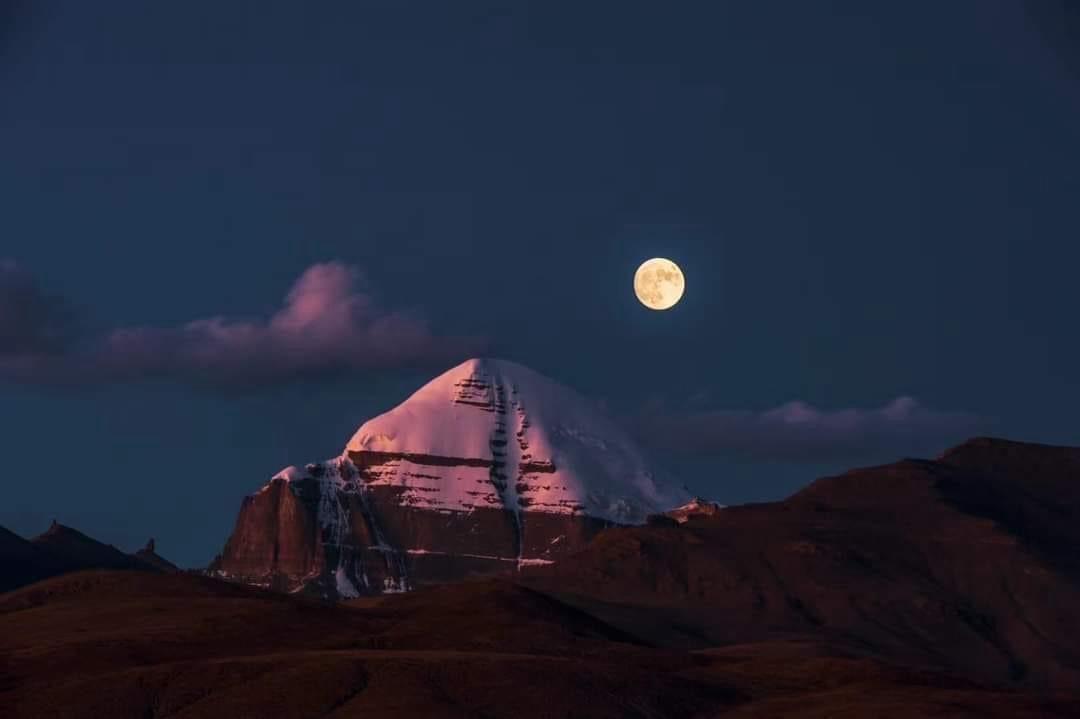
As per Hinduism, Kailash Parvat is the home to Lord Shiva, which is standing at 6,714 meters (22,028 feet) above sea level. It is also believed that Mount Kailash is the earthly manifestation of Mount Meru, which is believed to be the pillar of the universe. Buddhists believe that Mount Kailash is the home of Avalokiteshvara, known as the Buddha of Compassion. Whereas Bon believed that their saint Shanrab had fallen from Heaven on this holy site. Adinath, the Jains’ first teacher, is said to have obtained Nirvana (liberation) here, according to the Jains.

Also, the four main rivers of the Indian subcontinent, the Ganges, Indus, Sutlej, and Brahmaputra, flow from Mt. Kailash region.
Being one of the most popular pilgrimage sites for different religions and believers, Kailash Parvat is itself a mysterious mountain on Earth. One who completes the yatra of this holy Kailash Parvat and Mansarovar Lake will reach Nirvana and have all of their sins forgiven.
Anyone who travels to Kailash and participates in the pilgrimage will sense the incredible strength and tranquility that this area possesses. The pilgrims who visit Kailash Mansarovar are supposed to achieve enlightenment.

Spiritual Significance of Mount Kailash

  • Hinduism: Home of Lord Shiva; considered the earthly manifestation of Mount Meru, the pillar of the universe.
  • Buddhism: Abode of Avalokiteshvara, the Buddha of Compassion.
  • Jainism: Site where Adinath attained Nirvana.
  • Bon Tradition: Believed to be the place where Saint Shanrab descended from heaven.

Pilgrims completing the Kailash Parikrama and visiting Lake Mansarovar are said to achieve Nirvana and receive forgiveness for their sins.

Journey to Kailash Manasarovar Yatra via Lhasa

This 14-day Mount Kailash Yatra, an overland yatra, starts from Lhasa and ends in Kathmandu. The Kailash Yatra via Lhasa includes a scenic drive with the view of Lakes, mountains, landmarks, monasteries, palaces, and forts.

We also drive through farmlands and small settlements, admiring the stunning landscape in Tibet. From Lhasa, it is quite convenient to travel overland to Mount Kailash and Lake Manasarovar as the roads are good.

If you are traveling to Kailash from the USA, UK, or Australia, you can fly to Beijing, or if it is better to fly into Shanghai / Chengdu, it is also fine. But you must stay one night in any of those cities as we need to deliver your Tibet travel permit to your hotel in Beijing / Shanghai or Chengdu, and then the next day you fly to Lhasa, where we will pick you up and start the Lhasa to Kailash Journey.  We have organized many Kailash Manasarovar yatra via Lhasa or Beijing, and they all enjoyed it. You can read reviews here on TripAdvisor about how much they have enjoyed the Kailash yatra with us.

If you need help, we can help book a hotel and a tour in Beijing / Shanghai / Chengdu.

You must arrange a Chinese visa at your hometown before flying to China, and you will need to send a copy of the visa to us so we can apply for and obtain a Tibet military travel permit.
If you wish to join the Kailash tour via Lhasa, you may arrange your own flight to Beijing / Shanghai / Chengdu and from there to Lhasa, or we can also help to buy air tickets.
While taking the Kailash tour via Lhasa, if you wish to include the Everest base camp north side, we can include that at extra cost and add the number of days.

Best Time to Visit Kailash Mansarovar via Lhasa

The best time for the Kailash Mansarovar Yatra via Lhasa is from May to September, when the weather in Tibet is relatively stable and mountain passes remain open. During these months travelers enjoy clearer skies, comfortable temperatures and better road conditions across the Tibetan plateau. The Saga Dawa Festival in May or June is also a special time when thousands of pilgrims gather around Mount Kailash. Mount Kailash lies at an altitude of about 6,714 meters, making seasonal weather conditions very important for a safe journey.

Difficulty & Altitude Information

The Kailash Mansarovar pilgrimage is considered a moderate to challenging high-altitude journey. The highest point of the trek is the Dolma La Pass (about 5,645 m) during the Kailash Parikrama. Pilgrims usually walk about 52 km around Mount Kailash over three days while experiencing low oxygen levels and cold temperatures. Proper acclimatization in Lhasa and other Tibetan towns is essential to reduce the risk of altitude sickness.

Permits Required for Kailash Mansarovar Yatra

Traveling to Mount Kailash through Tibet requires several official permits. These include the China visa, Tibet Travel Permit, and additional military permits issued by Chinese authorities. Pilgrims usually receive the Tibet permit before flying to Lhasa from cities like Beijing or Chengdu. Without these documents travelers are not allowed to enter Tibet or continue the pilgrimage route.

Why Book Kailash Mansarovar Yatra with Earthbound Expeditions?

  • 26+ years of experience with 10,000+ satisfied clients.
  • 750+ five-star reviews and 400+ direct bookings each year.
  • Local experts with global presence providing premium and affordable tours.
  • Full assistance with visas, Tibet permits, flights, and hotel bookings.
  • Customer-focused, award-winning service ensuring a hassle-free spiritual journey.

Call / WhatsApp us now + 977 9851017772 to plan your journey of a lifetime.
Holy Mount Kailash Mansarovar Darshan Tour

The Holy Mount Kailash Mansarovar Yatra is a profoundly sacred pilgrimage for Hindus, Buddhists, Jains, and followers of other spiritual traditions. This journey takes pilgrims to the majestic Mount Kailash and the sacred Lake Mansarovar, both revered for their spiritual significance and natural beauty. For anyone seeking spiritual enlightenment, adventure, and a connection with nature, this yatra is truly life-changing.

In addition to Lake Mansarovar, the region also features Lake Rakshastal to the west and Lake Gauri Kund to the north. Each of these lakes carries its own religious legends and is considered an integral part of the pilgrimage.

Why Mount Kailash is Considered Sacred

Mount Kailash stands tall at 6,714 meters (22,028 feet) above sea level and is regarded as the abode of Lord Shiva in Hinduism. It is equally revered in Buddhism, where it is believed to be the home of Avalokiteshvara, the Buddha of Compassion. Jains consider it the site where the first Tirthankara, Rishabhadeva, attained liberation, and followers of the Bon religion regard it as the center of spiritual power.

This mountain is not only a sacred site but also a geographical marvel, being the source of four major rivers that sustain the Indian subcontinent:

  • Ganges (Karnali in Nepal) – flows south
  • Indus River – flows west
  • Sutlej River – flows east
  • Brahmaputra (Yarlung Tsangpo) – flows north

These rivers are lifelines for millions of people, making Mount Kailash both a spiritual and ecological treasure.

Holy Tales and Spiritual Significance

According to ancient Asian legends, Mount Kailash has been considered a hallowed location for millennia. It is believed to be the center of the universe, where the earthly and divine realms meet. Pilgrims undertaking the Kailash Mansarovar Yatra often believe that completing the journey will bring forgiveness of sins, spiritual purification, and even Nirvana.

Travelers often report feeling a profound sense of inner peace, tranquility, and enlightenment while circumambulating Mount Kailash (a practice known as the Kailash Parikrama or Kora).

The Journey: Adventure and Spirituality Combined

The Kailash Mansarovar Yatra is widely considered one of the most challenging and rewarding pilgrimages in the world. The journey takes travelers through snow-capped mountains, verdant valleys, arid highlands, and crystal-clear lakes, providing breathtaking landscapes that complement the spiritual experience.

Highlights of the yatra include:

  • Kailash Parikrama – A circumambulation of the holy mountain, usually taking 3 days.
  • Lake Mansarovar – Ritual bathing in the lake is believed to cleanse the soul.
  • Nearby Sacred Sites – Including Lake Rakshastal, Lake Gauri Kund, and various monasteries and temples.
  • Cultural Immersion – Witness Tibetan monasteries, local customs, and the ancient Bon rituals.

This pilgrimage is not just a physical journey but also a journey of the soul, connecting travelers with spiritual energy, cultural richness, and the sheer beauty of the Himalayas.

Tips for Pilgrims

  • Best Time to Visit – The yatra is generally open from May to October, with July and August being monsoon months.
  • Physical Preparation – The high altitude requires good fitness; acclimatization is essential.
  • Travel Permits – Special permits are needed for Tibet entry, which must be arranged in advance.
  • Local Guidance – Hiring an experienced guide or joining an organized tour is highly recommended.

Why You Should Experience the Kailash Mansarovar Yatra

The Holy Mount Kailash Mansarovar Yatra is more than a pilgrimage; it is a transformative journey. It allows travelers to experience:

  • Spiritual Growth – Connecting with sacred geography and performing rituals.
  • Adventure and Exploration – Traversing high-altitude landscapes and rugged terrains.
  • Cultural Exchange – Interacting with monks, nomads, and local communities.
  • Inner Peace – Witnessing the serenity of untouched Himalayan landscapes.

For those seeking divine blessings, adventure, and self-discovery, this pilgrimage is a once-in-a-lifetime experience.

Book Your Kailash Mansarovar Yatra Today

Embark on a spiritual and adventurous journey that will stay with you forever. Join Kailash Mansarovar Yatra to explore sacred mountains, serene lakes, and spiritual wonders. Book now to secure your spot on this unforgettable pilgrimage.

Inner Kailash Parikrama and Mansarovar tour

Inner Kailash parikrama tour including Manasarovar tour 

“As the dew is dried up by the morning Sun, so are the sins of human beings by the sight of Himalaya, Holy Mt. Kailash”. – Skanda Purana – 6th Century B.C.
You are welcome to join us for the Holy Mt. Kailash Yatra, including Kailash Inner Parikrama or inner Khora of Kailash,  Parikrama of Nandi, visit Astapad, and walking to Charan sparsa of Kailash are considered as inner Kailash Parikrama.

The other real challenging Kailash inner parikrama route we can follow is the Khandro Sanglam la pass, not going to Dolma la pass, which is even more challenging. If you wish to do the challenging Kailash inner parikrama route, we can organize it for you.

We have an experienced team of experts in organizing the holy inner Kora, and we would like to invite you to take advantage of our expertise by joining this sacred special Kailash Mansarovar Yatra.

For Kailash Inner parikrama, you need a bit longer time and better stamina as some days require long hikes ( up to 12 hours) in high altitude, and mentally you have to be prepared for this hard pilgrimage journey.

For the past 25 years, we have been organizing the Holy Kailash Mansarovar Yatra for thousands of people from all around the world with different packages following different routes. We are happy to serve our customers to their satisfaction, and we appreciate those who have reviewed us on TripAdvisor. Thank you!

Kailash Inner Kora (parikrama) is one of the hardest pilgrimage trips in the Himalayas. Inner Kailash Parikrama requires a strong desire and some mountaineering experience; better equipment is suggested.
Of course, we provide good and experienced Kailash expert staff in mountaineering. The Kailash Inner Parikrama route is around 30 km walking journey including Asthapath, Nandi Parvat, Atmalingam, Saptarishi cave, and Rakshas Lingam. The landscape is a rough rocky area, and you may encounter some snow and ice.  It is a long walk as Kailash Inner Kora (parikrama) starts and ends at Darchen, and they won’t be allowed to camp or stay in the inner Parikrama route. Apart from two small monasteries, no humans live in the Inner Kailash region.

Inner Kailash Parikrama Itinerary

On the first day, we will start our hike from Darchen and visit Serlung monastery and get a closer view of Mount Kailash from here. Touch Atmalingam, Saptarishi cave of inner kora, and Ice Lingam. Inner Kailash kora of Nandi Parvat by crossing a high pass between Mount Kailash and Nandi hill called Nandi La, and we come back to Darchen.
On day 2 of our Kailash Parikrama, we visit Charan Sparsa walk Dairaphuk, which is part of inner Parikrama also, and 3rd da,y either from there, we go via Dolma la pass or if we have stamina and a good group go via  Khandosalgam La (Pass) real inner kora at Kailash. Reach Kuber Valley and then go to Zutulphuk.  The Inner Kailash route goes across the valley from Shiva Tsal to the southeast over the snow-covered Khandro Sanglam La, the Secret Path of the Dakini Khandroma. This alternative route around Kailash bypasses the Dölma La, which tradition says can only be crossed if you have completed 12 previous kora. But in the year 2024, it is a horse year where one Khora equals 12 Khora, so we can do it.

Mount Kailash, a holy place, standing at 6,714 meters (22,028 feet) above sea level, is believed as the abode of Lord Shiva. It is also a popular pilgrimage place for Buddhists who believe it is the home of Avalokiteshvara, known as the Buddha of Compassion. It is also believed that one who does the Yatra of Mount Kailash and takes a bath in the Holy Mansarovar Lake gets the Moksha(salvation) and all the sins will wash away. Anyone who travels here and participates in the pilgrimage will sense the incredible strength and tranquility that this area possesses.

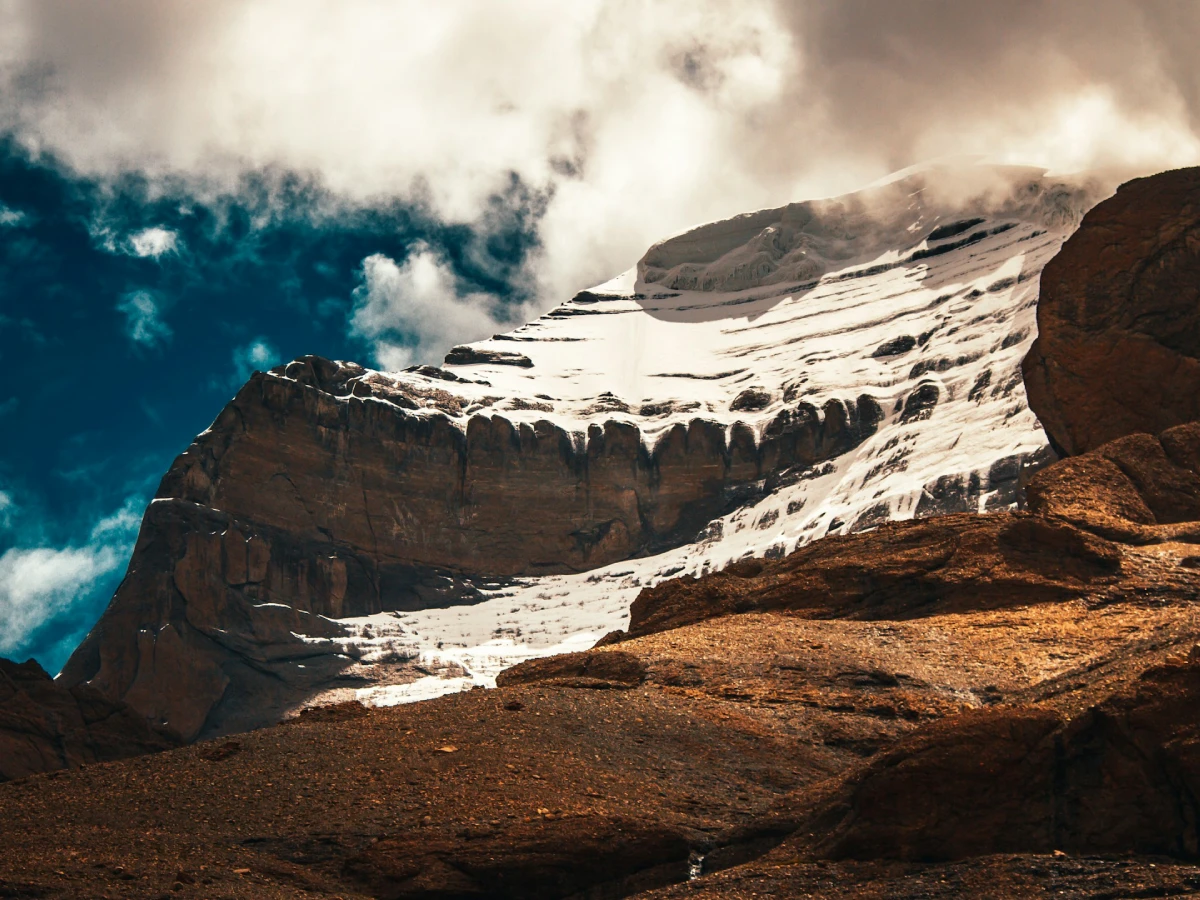
There is a belief that the formation of Mount Kailash happened 30 million years ago, during the period of the Himalayas. There are many small cliffs surrounding the Kailash, and the aerial view looks like a Lotus bud or a crown. There is a popular lake, Mansarovar, also called Brahma’s Lake, which is one of the main attractions of the Kailash Mansarovar Yatra. But there is the existence of another two lakes, Rakshas Taal (Demon’s Lake) and Gauri Kund (Parvati Kund). These two lakes also have their significance and glorify Mount Kailash.

Holy Place Mount Kailash

Mount Kailash and Lake Mansarovar are the holiest pilgrimage areas for different religions. Hinduism, Jainism, Buddhism, Bonism, and other faiths worship this place, and every year this sacred land is filled with thousands of devotees who have travelled through Nepal and Tibet. For the true devotees, this is once in a lifetime journey.

Furthermore, the powerful Mount Kailash is the source of four of the main rivers that flow across the Indian subcontinent: the Ganges (also known as the Karnali, the longest river in Nepal) flows on the south side, whereas, the Indus, the Sutlej, and the Brahmaputra (the Yarlung Tsangpo) in the east, west, and north, respectively.

The Kailash Mansarovar yatra is heavenly in and of itself, and along the road, you may see other locations that have special and spiritual importance in the thoughts of the pilgrims who come here from all over the world. According to reports, this pilgrimage is the most difficult and adventurous in the entire world. A variety of snow-capped mountains, rich green valleys, endlessly extending arid areas, and stunning lakes will all be present for you to see. It truly is a once-in-a-lifetime journey that should be on everyone’s “bucket list.”

In the past, this yatra to Kailash was one of the most difficult, and many devotees used to die on the way, and some of them were found injured. But, at present, we Kailash Mansarovar Yatra team, will take you to the Holy Mount Kailash in jeeps and helicopters. You can choose any possible vehicle type or any possible route, and we can arrange the itinerary for you.

Who Should Do Inner Kailash Parikrama

This pilgrimage is ideal for:

  • Experienced trekkers
  • Spiritual seekers visiting Mount Kailash
  • Travelers who already completed the outer Kailash Kora
  • Physically fit pilgrims comfortable with high altitude

You can always customize the Kailash Yatra Itinerary also for inner Parikrama.

To this Mount Kailash trek, you can also add a visit to Everest Base Camp, the north side, which will add 2 more days to the existing itinerary.  In this Kailash inner Khora parikrama tour can perform the Charan Sparsh of Kailash, also part of Inner Kailash Parikrama, Astapad, and Nandi.

Kailash Inner Parikrama tour, including Mansarovar, departs from Kathmandu. You will spend your first 3 days sightseeing around Kathmandu and watching the Sunrise from one of the famous hill stations near Kathmandu. You will also do a hike for 4-5 hours and visit historical places like Bhaktapur Durbar Square. You will then take a scenic drive to Kerung, where your journey to Kailash starts. We will also visit the Pashupatinath Temple, dedicated to Lord Shiva, and attend the Sandhya Aarati.

Kailash Manasarovar Yatra Lhasa in Lhasa out

Kailash Manasarovar Yatra Lhasa in and Lhasa out – 13 days 

We at the Kailash Manasarovar Yatra team have meticulously designed this Holy Kailash Manasarovar Yatra via Lhasa, China to cater to spiritual seekers, adventure travelers, tourists, and culture enthusiasts. This journey offers a unique blend of spirituality, breathtaking landscapes, and cultural experiences in the remote and sacred Himalayan region.

Explore the Sacred Mount Kailash and Lake Mansarovar

The Kailash Manasarovar Yatra via Lhasa is a spiritual expedition across the vast Tibetan Plateau, leading to the majestic Mount Kailash and the holy Lake Mansarovar, also known as Brahma’s Lake. Lake Mansarovar is famous as the “Color Shifting Lake” due to its pristine waters that change hues under different sunlight conditions.

Nearby, travelers can also visit Lake Rakshastal, located west of Mansarovar, and Lake Gauri Kund to the north of Mount Kailash. Together, these lakes and the holy mountain form a spiritual hub revered by multiple religions.

Spiritual Significance of Mount Kailash

  • Hinduism: Mount Kailash, standing at 6,714 meters (22,028 feet), is believed to be the abode of Lord Shiva and is also referred to as Surmeru Parvat or the earthly manifestation of Mount Meru, the cosmic pillar of the universe.
  • Buddhism: Mount Kailash is considered the sacred home of Avalokiteshvara, the Buddha of Compassion.
  • Bon Religion: Kailash is believed to be the site where the Bon saint Shanrab descended from heaven.
  • Jainism: It is where Adinath, the first Jain Tirthankara, attained Nirvana (liberation).

Mount Kailash is also the source of four major rivers of the Indian subcontinent: the Ganges, Indus, Sutlej, and Brahmaputra, making it a symbol of life and spiritual energy. Pilgrims believe that completing the Kailash Parikrama (circumambulation) around the mountain and a visit to Lake Mansarovar cleanses all sins and brings spiritual enlightenment.

Best Time for Kailash Mansarovar Yatra

The best time for the Kailash Mansarovar Yatra via Lhasa is from May to September when the Tibetan plateau is accessible and weather conditions are stable. During these months the high passes remain open, and travelers can comfortably complete the Kailash Parikrama. Mount Kailash and Lake Mansarovar offer clear views during summer and early autumn.

Difficulty & Altitude Information

This pilgrimage reaches elevations above 5600 meters at Dolma La Pass, making it a challenging high-altitude journey. Proper acclimatization in Lhasa helps reduce altitude sickness risk.

Permits and Visa Requirements for Tibet

  • Tibet Travel Permit
  • Alien Travel Permit
  • Chinese Visa
  • Group Visa (for Nepal travelers)

Overland Yatra from Lhasa to Kailash

Our Mount Kailash Yatra via Lhasa begins in Lhasa, accessible by flights from Beijing, Chengdu, or Kathmandu. The overland journey takes travelers through spectacular Tibetan landscapes, featuring vast plains, high-altitude deserts, and historic towns like Shigatse and Saga before reaching Mount Kailash and Lake Mansarovar.

Travelers can also combine this yatra with trips to Beijing, Everest Base Camp, or extend it for additional sightseeing, depending on group size and itinerary preferences. The cost of the Kailash Manasarovar Yatra via Lhasa varies according to the number of days, group size, and selected destinations.

Why Choose Kailash Manasarovar Yatra 2026

  • Experience a spiritual journey in one of the most sacred places on Earth.
  • Witness the breathtaking landscapes of the Tibetan Plateau.
  • Participate in cultural and religious rituals at holy sites.
  • Achieve inner peace and enlightenment through the pilgrimage.

Embark on the Kailash Manasarovar Yatra 2026 and immerse yourself in the mystical aura of Mount Kailash and the divine Lake Mansarovar with Kailash Mansarovar Yatra.

Kailash Mansarovar Yatra from Kathmandu Overland Tour

Kailash Mansarovar yatra: Overland Kailash tour from Kathmandu 

Our Kailash Manasarovar Yatra from Kathmandu is a 15-day overland tour. The 15-day Kailash Mansarovar overland tour is the shortest and safest route from Kathmandu. We offer a premium 5-star luxury Kailash tour package for you at the most reasonable price.

Book this 15-day Kailash Yatra with the award-winning company Earthbound Expeditions. We are one of the original and direct tour operators to run the luxury Kailash Manasarovar yatra since 1999. We are not commission-based intermediary booking agents who are very prevalent in this market.

With over 25 years of experience in organizing Kailash Manasarovar tours. We deliver high-quality tour service and a great customer experience at a very reasonable price. The Journey to Kailash Mansarovar continues beyond Nepal’s borders.

The Holy Yatra to Mount Kailash and Lake Mansarovar takes Yatris to the western corners of Tibet, China. Where they get to experience the ethereal atmosphere of this sacred location, the abode of lord Shiva. Also known as “Kailash Parvat – कैलाश पर्वत”, considered as the center of the earth – “सुमेरु पर्वत Sumeru Parvat” too.

Are you planning the Kailash Manasarovar Yatra from the USA, Canada, or the UK? We have a perfect Kailash Luxury tour package especially designed for people from the USA. Our website www.kailashmanasarovaryatra.com is a comprehensive resource for anyone planning to join the Luxury Kailash Mansarovar Yatra from the USA for 2026.

Come and join us for the journey of a lifetime with a direct Kailash tour operator with years of Experience. We have the highest record of safety and satisfied customers, over 98% happy customers.

Why Choose Our Kailash Mansarovar Overland Tour?

Our Kailash trips are luxury tour packages, as we use 5-star hotels in Kathmandu. The best guest house along the Kailash Mansarovar route. Varieties of hygienic prepared tasty food selection, a helping staff ratio of 4:1 for your safety and comfort. Our Kailash trips are successful and safe, run with knowledgeable, experienced guides. We organize Puja, havan, and snan at Mansarovar, thousands of satisfied customers worldwide, and have over 750 plus 5-star reviews.  

For ages, Mount Kailash, also known as “Sumeru Parvat” सुमेरु पर्वत, has stood at 6638 meters ( 21778 feet) above sea level in western Tibet. Has captivated the hearts and minds of devotees of Hinduism, Buddhism, Jains, Bonpo, and other spiritual traditions.

While Buddhists revere Kailash as the home of Avalokiteshvara (the Buddha of Compassion), Hindus see it as the house of Lord Shiva. Hence, Shiva is known as “Kailash Pati”. The pyramidal structure of this holy mountain, Kailash, and its divine connection have made this sacred location a source of spiritual enlightenment.

Spiritual Significance of Mount Kailash and Lake Mansarovar

Situated at the foot of Mount Kailash, Holy Lake Mansarovar adds even more spiritual significance to the Kailash yatra. Holy Lake Mansarovar is one of the world’s highest freshwater lakes and the source of the four great rivers. The Ganges (also known as the Karnali, the longest river in Nepal) flows on the south side, whereas the holy river Indus, the Sutlej, and the Brahmaputra (the Yarlung Tsangpo) flow in the east, west, and north.

To purge their sins and prepare for spiritual emancipation, pilgrims immerse themselves in the Lake Manasarovar as part of a ceremony. Also, the belief is that bathing in the Mansarovar lake will free oneself from the cycle of life and death.

The challenging and transformational nature of the pilgrimage sets this overland Kailash Mansarovar Yatra apart. The Kailash Mansarovar yatra begins in Kathmandu, Nepal, with a scenic drive that offers views of farmlands and small settlements. That will take us to Syabrubesi, north of Kathmandu.

From there, we will drive further to the Nepal-Tibet Border, Kerung, admiring the stunning landscape around us. We will traverse through rough roads and mountain passes of Tibet, dealing with difficult circumstances and high elevations. We may also experience altitude sickness and unpredictable weather during the Kailash yatra. We should be physically and mentally prepared before even starting the Kailash Mansarovar yatra.

Holy Kailash Mansarovar Yatra is one of the divine journeys taken to achieve Moksha (salvation) and cleanse the sins. According to the mythology, to carry out the once-in-a-lifetime journey, you must be summoned by the divine. You need an experienced team that takes you to Kailash Mansarovar with love and care.

The Kailash Mansarovar Yatra team at Earthbound Expeditions specializes in planning the most respected and holy pilgrimage journeys to Kailash Manasarovar. Established in 1999 with a vision to provide justice and value for each penny spent by our clients.

We are a specialist team of mountaineers and guides been leading trips to Mt. Kailash Mansarovar for the past 26 years. And many of our team leaders have been there over 30 times and taking 1000’s of yatries from the UK, USA, Australia, India, and other parts of the world. We have a highly dedicated and informative team to guide you through the whole Kailash Mansarovar Yatra safely.

Best Time for Kailash Mansarovar Yatra

The best time for the Kailash Mansarovar Yatra is May to September, when weather conditions are relatively stable and mountain passes remain open. June and July are popular months due to clear skies and religious festivals in Tibet, while August and early September offer good visibility for the Kailash Parikrama.

Difficulty of Kailash Yatra

The Kailash Mansarovar pilgrimage is considered moderately challenging due to high altitude. The trek reaches Dolma La Pass at around 5,630 meters, requiring good physical fitness and proper acclimatization. Pilgrims usually walk for three days around Mount Kailash during the Parikrama.

Permits Required for Kailash Yatra

Traveling to Mount Kailash requires special permits issued by the Tibetan authorities. These include the Tibet Travel Permit, Chinese Group Visa, and Kailash pilgrimage permit, which must be arranged in advance through a registered tour operator.

About Earthbound Expeditions

Over 26 years, the Earthbound Expeditions team has helped thousands of Yatri safely complete the yatra. We have a 98% success rate on the Kailash Mansarovar tour.  Hand-picked comfortable accommodations, expert local Sherpa leaders, and creating perfect itineraries to fit your needs.

To this date, our dedicated team has been successful in satisfying our clients, and we are tirelessly working our best. Earthbound Expeditions is one of the best travel agencies in Nepal to organise Luxury Kailash Mansarovar Yatra. We offer personalised service and work at every level of the plan that will be tailored to each unique need or demand of our clients.

We can design an itinerary that is suitable and easy to understand the whole Yatra process before even starting. Recommended by our clients and supported, we continue to dedicate our time and knowledge to provide the best experience on our Kailash Manasarovar yatra. With over 750 5-star rated reviews, Earthbound Expeditions is your trusted travel company to plan a Kailash Manasarovar tour.

Unlike large groups of 80 or 100 people by other agents, our Kailash Mansarovar tour group size is always about 35 to 45 people. Thus, we can offer personalised service and individual attention to all yatries. We provide good, clean, and comfortable luxury hotel accommodations, safe transportation with oxygen, and carry medical supplies needed during the journey.

All our meals are pure hot vegetarian (South Indian, North Indian, and even some Western dishes) prepared by our expert cooks. We also carry oxygen cylinders and PAC bags, which are very important for altitude. Oximeters for measuring oxygen, Blood Pressure meters, and other equipment necessary for the yatra.

We also have extra emergency vehicles always with us. We offer and conduct Puja and Havan on the banks of Mansarovar for you.  We also make arrangements to take a bath at the shore of Lake Manasarovar in shower tents with warm water from Lake Manasarovar before puja.

Our sincere and dedicated service makes Earthbound Expeditions one of the best Tour companies for the Kailash Mansarovar yatra. Also, trek in the Himalayas, as supported by the testimonials we receive from our clients. Please refer to the testimonial section to read the reviews on TripAdvisor and learn more about our services. And how much they enjoyed the Kailash Mansarovar yatra with us.

trip advisorTrip Advisor

You can see some small video clips on the Earthbound Expeditions YouTube Channel, like Puja, haven at Mansarovar, the Kailash Parikrama walk, food, and our services in the links below. This may give you more ideas about the Kailash Mansarovar yatra, A pilgrimage Journey to the Himalayas and beyond.

Book Your Kailash Mansarovar Yatra Today

The Kailash Mansarovar Yatra is one of the most sacred pilgrimages in the Himalayas. This spiritual journey takes travelers from Kathmandu to the holy Mount Kailash and Lake Mansarovar in Tibet, believed to be the home of Lord Shiva. Pilgrims complete the famous Kailash Parikrama trek, crossing the high Dolma La Pass (5,630 m) and experiencing breathtaking landscapes of the Tibetan plateau.

Please come and join Earthbound Expeditions for the journey of a lifetime, a holy Pilgrimage to Kailash Manasarovar with one of the best companies in the world to organize Kailash Mansarovar yatra directly. The process for the Tibet / China visa and Military permit takes time to acquire, so you are advised to book the Kailash Mansarovar Yatra package at least 5 months in advance.

Please choose a suitable date for the Kailash Mansarovaryatra for 2026  and let us know. We will be happy to help plan for.

The Luxury Kailash trip price *2687 per person ( twin sharing) will stay the same if the trip is booked by Dec.2025; after Jan 2026, the Kailash tour price may hike up by at least 10% more. Below are the departure dates, but if we have enough members we can create a private date for you.  Om Namaha Shivaya!

Kailash Mansarovar Yatra by Helicopter

Kailash Mansarovar Yatra by Helicopter Via simikot route 

Kailash Mansarovar Yatra by helicopter tour also basically departs from Kathmandu. The fixed-wing airplane flight will be available from Kathmandu to Nepalgunj to Simikot. After landing in Simikot, we fly to Hilsa in a private helicopter while admiring the stunning landscape below us. From here, traveling overland to Mount Kailash and Lake Manasarovar is simple and convenient.

Holy Mount Kailash, located in Tibet, China, standing at 6,714 meters (22,028 feet) above sea level, is believed to be the home of the Hindu Lord Shiva. It is the holiest place on Earth for different religions: Hindu, Buddhist, Jain, and Bon. Participating in the Yatra to Kailash and doing Charan Sparsh with a bath in a holy Lake Mansarovar is the once in a lifetime opportunity for any devotee. It entails a journey to a majestic holy mountain, Mount Kailash, and a holy lake called Mansarovar. There are two other lakes near Mount Kailash: Lake Rakshastal, situated to the west of Lake Mansarovar, and to the north, Lake Gauri Kund.

Spiritual Significance of Mount Kailash and Lake Mansarovar

Kailash Mansarovar a popular Hindu pilgrimage site residing in the Himalayan Region is also the source of four of the main rivers that flow across the Indian subcontinent: the Ganges (also known as the Karnali, the longest river in Nepal) flows on the south side, whereas, the Indus, the Sutlej, and the Brahmaputra (the Yarlung Tsangpo) in the east, west, and north, respectively.

Buddhists believe Mount Kailash is the home of Avalokiteshvara, known as the Buddha of Compassion. Whereas, Bon believed that their saint Shanrab had fallen from Heaven on this holy site. Adinath, the Jains’ first teacher, is said to have obtained Nirvana (liberation) here, according to the Jains.

Pilgrims believe that if they complete the journey and have a heavenly perspective of the Abode, they will reach Nirvana and have all of their sins forgiven. Anyone who travels here and participates in the pilgrimage will sense the incredible strength and tranquility that this area possesses. Anyone who travels here is thought to achieve enlightenment.

The Kailash Mansarovar yatra is heavenly in and of itself, and along the road, you may see other locations that have special and spiritual importance in the thoughts of the pilgrims who come here from all over the world. According to Kailash Yatri, this pilgrimage is the most difficult and adventurous in the entire globe.

Kailash Mansarovar Yatra by Helicopter Itinerary

Most people misunderstood the itinerary title as it says “using Helicopter”, so they thought the whole Yatra would be on a Helicopter, but we just used a Helicopter on some parts only, Simikot to Hilsa and return. The route we follow on this itinerary is the shortest, but for various reasons, this might be the longest way to reach Holy Kailash Mansarovar, and is expensive too. So, we have some other itineraries you would want to check out.

1) HOLY KAILASH MANSAROVAR YATRA: AN OVERLAND YATRA

2) HOLY KAILASH MANSAROVAR YATRA VIA LHASA

The Mount Kailash Yatra by Helicopter departs from Kathmandu. The airplane flight will be available from Kathmandu to Nepalgunj to Simikot. After landing in Simikot, we fly to Hilsa in a private helicopter while admiring the stunning landscape below us. From here, it is simple and convenient to travel overland to Mount Kailash and Lake Manasarovar.

Who Should Take This Helicopter Route

This route is ideal for:

  • Pilgrims with limited travel time
  • Elderly devotees
  • Travelers seeking faster access to Mount Kailash
  • People who prefer shorter trekking sections

Book Your Kailash Mansarovar Yatra by Helicopter Today

Embarking on the Kailash Mansarovar Yatra by Helicopter is more than a pilgrimage — it’s a sacred calling that connects you to divinity, nature, and your inner self. Whether you seek spiritual growth, adventure, or peace, this journey offers it all.