


How Difficult is Kailash Mansarovar Yatra
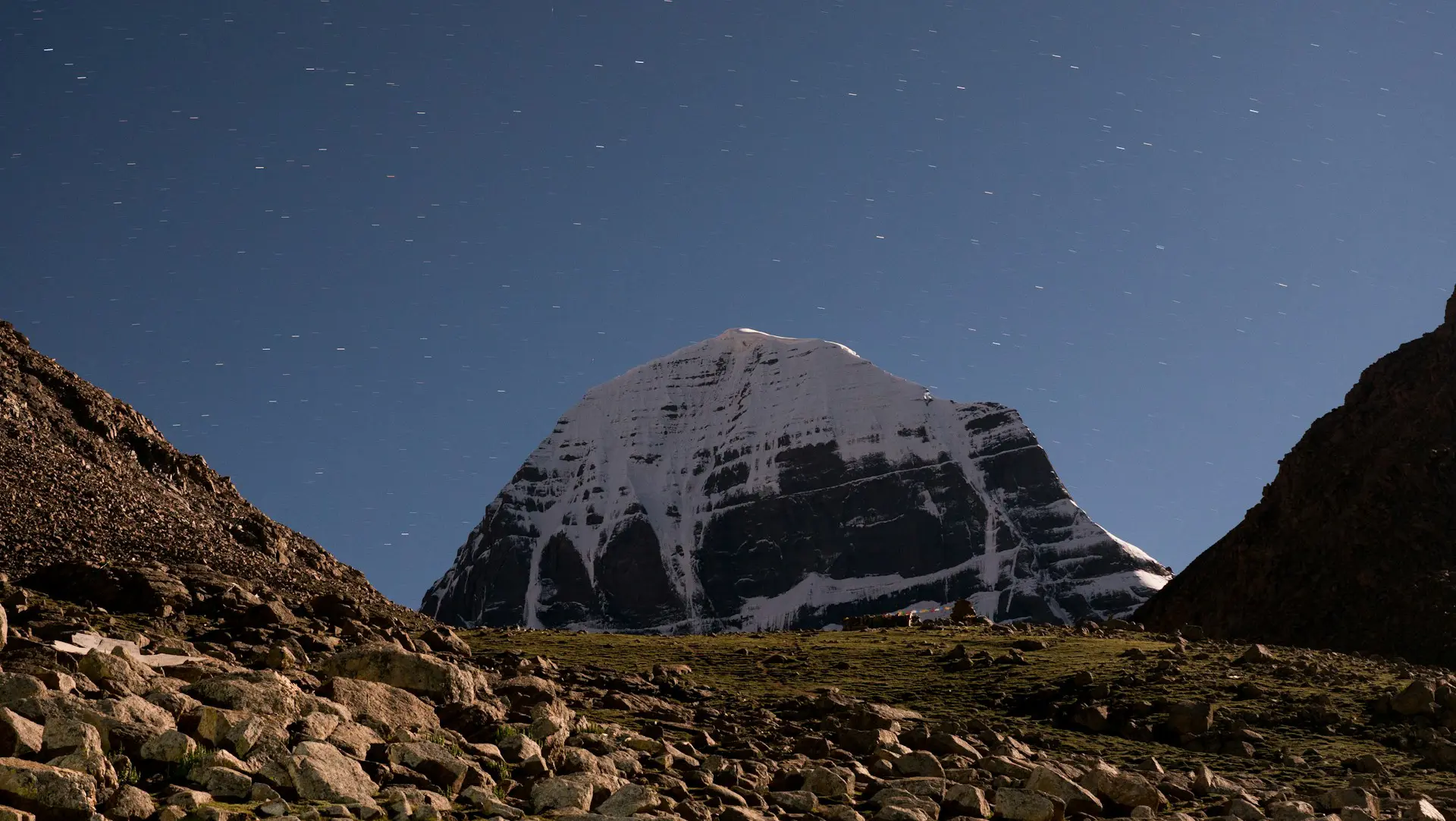
The Kailash Mansarovar Yatra is one of the most sacred and spiritually significant pilgrimages in the world. Every year, thousands of devotees and adventure travelers journey to the remote region of Mount Kailash and Lake Mansarovar in Tibet. For Hindus, Buddhists, Jains, and followers of Bon, this pilgrimage holds immense religious importance, as Mount Kailash is believed to be the spiritual center of the universe.
While the journey is deeply spiritual and rewarding, many travelers often ask an important question: how difficult is Kailash Mansarovar Yatra? The answer depends on several factors, including high altitude, trekking distance, weather conditions, and overall physical fitness. The region lies on the Tibetan Plateau, where oxygen levels are lower and weather conditions can change quickly.
Although the pilgrimage is challenging, thousands of people successfully complete it every year with proper preparation and guidance. In this article, we will explore the difficulty level of Kailash Mansarovar Yatra, what makes it challenging, and how pilgrims can prepare for this once-in-a-lifetime journey.
What Makes Kailash Mansarovar Yatra Challenging?
Several factors contribute to the difficulty of the Kailash Mansarovar pilgrimage. Understanding these challenges helps travelers prepare better for the journey.
1. High Altitude
One of the biggest challenges of the Kailash Mansarovar Yatra is the extreme altitude. The region is located on the Tibetan Plateau, often referred to as the “Roof of the World.”
- Lake Mansarovar altitude: around 4,590 meters (15,060 ft)
- Mount Kailash region: around 5,000 meters
- Dolma La Pass: about 5,630 meters (18,471 ft)
At such elevations, oxygen levels are significantly lower than at sea level. Many pilgrims may experience Altitude Sickness (AMS), especially if they ascend too quickly without proper acclimatization.
Symptoms of altitude sickness can include headache, nausea, dizziness, fatigue, and difficulty breathing. Therefore, acclimatization and slow travel are essential to safely complete the journey.
2. Trekking Around Mount Kailash (Kailash Parikrama)
Another factor that increases the difficulty is the Kailash Parikrama, also known as the Kailash Kora. This sacred trek involves walking around Mount Kailash and is considered the most spiritually important part of the pilgrimage.
The total trekking distance is approximately 52 kilometers, typically completed over three days.
Pilgrims walk through rugged mountain trails, river valleys, and high mountain passes. While the trek is not technically difficult, the high altitude makes even simple walking more physically demanding.
3. Unpredictable Weather Conditions
Weather in the Mount Kailash region can be extremely unpredictable. Even during the main pilgrimage months, temperatures can drop suddenly.
Common weather challenges include:
- Cold temperatures even in summer
- Strong winds on the Tibetan Plateau
- Occasional snowfall
- Rapid weather changes
Because of these conditions, travelers must carry proper clothing, including warm layers, windproof jackets, and suitable trekking gear.
4. Remote Location and Limited Facilities
The Kailash Mansarovar region is located in one of the most remote parts of Tibet. Infrastructure is basic compared to other popular trekking destinations.
Pilgrims may encounter:
- Limited medical facilities
- Basic guesthouses and lodges
- Simple meals during the journey
- Long driving distances between towns
Although tour operators manage logistics well, travelers should be mentally prepared for a more rustic travel experience.
Trekking Difficulty Level
When considering the overall challenge, many travel experts describe the Kailash Mansarovar Yatra difficulty as moderate to challenging.
The pilgrimage is achievable for people with average physical fitness, but preparation is essential.
The journey includes long driving days, high altitude travel, and several days of trekking. Even though the trekking routes are not highly technical, the altitude significantly increases the level of effort required.
Compared to other Himalayan treks:
- Everest Base Camp Trek: Similar altitude but longer trekking duration
- Annapurna Base Camp Trek: Lower altitude and generally easier
- Kailash Parikrama: Shorter but more demanding due to altitude
Therefore, the challenge lies more in altitude and endurance rather than technical climbing.

Kailash Parikrama Difficulty (The Most Challenging Part)
The Kailash Parikrama is widely considered the most physically demanding part of the entire pilgrimage.
Day 1: Darchen to Dirapuk
The first day of the trek covers approximately 18 kilometers. The trail gradually ascends through a beautiful valley with breathtaking views of Mount Kailash’s north face.
Although the terrain is not very steep, the altitude can make walking tiring. Most pilgrims walk slowly and take regular breaks.
Day 2: Dirapuk to Dolma La Pass to Zuthulpuk
This is the most difficult day of the entire journey.
Pilgrims must cross Dolma La Pass, which sits at around 5,630 meters above sea level. The climb to the pass is steep and physically demanding due to the thin air.
After reaching the pass, trekkers descend through rocky terrain toward Zuthulpuk. This section can be challenging, but the spiritual significance of the journey motivates many pilgrims to continue.
Day 3: Zuthulpuk to Darchen
The final day of the trek is relatively easier. The trail follows a valley and gradually returns to the starting point at Darchen.
Most pilgrims feel a deep sense of accomplishment and spiritual fulfillment after completing the sacred circuit around Mount Kailash.
Physical Fitness Required for Kailash Yatra
A common question travelers ask is whether they need to be extremely fit to complete the pilgrimage.
While you do not need to be a professional trekker, good physical fitness is highly recommended.
Preparing for the Kailash Mansarovar Yatra with physical fitness at least two to three months in advance can significantly improve your chances of completing the trek comfortably.
Recommended preparation activities include:
- Regular walking or hiking
- Cardio exercises such as jogging or cycling
- Climbing stairs to improve endurance
- Light strength training
- Practicing yoga and breathing exercises
These activities help strengthen your lungs and muscles, which are important for high-altitude travel. You can also checkout out the Kailash Yatra Preparation Exerciser that we have prepared to get ready in advance.
Altitude Sickness and How to Prevent It
Altitude sickness is one of the main concerns during the Kailash Mansarovar Yatra. However, it can often be managed or prevented with proper precautions. Altitude sickness symptoms and prevention methods to know before starting your journey.
Common symptoms include:
- Headache
- Nausea
- Dizziness
- Loss of appetite
- Fatigue
To reduce the risk of altitude sickness, pilgrims should follow these tips:
- Allow time for proper acclimatization
- Drink plenty of water
- Walk slowly during the trek
- Avoid alcohol and smoking
- Take recommended altitude medication if prescribed by a doctor
- Listen to your guide and rest when necessary
Most organized tours include acclimatization days to help travelers adjust to the high altitude.
Best Time to Reduce Difficulty
Choosing the right season can make the journey significantly easier. The best time to visit Kailash Mansarovar Yatra is generally between May and September.
May to June
These months offer relatively stable weather and comfortable temperatures. Many pilgrimage groups travel during this period.
September to Early October
After the monsoon season, the skies are often clearer, providing stunning mountain views and pleasant trekking conditions.
Travelers usually avoid winter months because heavy snow and extreme cold can make the region inaccessible. Kailash Mansarovar Yatra 2026 holds special significance as it falls in the horse year according to the Chinese Calendar.
Tips to Make Kailash Mansarovar Yatra Easier
With the right preparation and planning, pilgrims can reduce the physical challenges of the journey. Here are the useful travel preparation tips to look for.
Helpful tips include:
- Arrive early to allow proper acclimatization
- Choose an experienced tour operator
- Pack high-quality trekking gear and warm clothing
- Carry necessary medications and personal medical supplies
- Drink plenty of water throughout the journey
- Walk slowly and conserve energy during the trek
Some travelers also choose helicopter-assisted routes, which reduce travel time and make the journey more comfortable. Kailash Mansarovar Yatra by Helicopter can be best for you.
Support Services for Kailash Kora: Yaks, Porters and Guides
During the Kailash Parikrama (Kora), many pilgrims choose to use local support services to make the trek easier and more comfortable. Since the trek takes place at very high altitude and involves long walking distances, these services can significantly reduce physical strain.
Yaks for Carrying Luggage
Yaks are commonly used in the Mount Kailash region to transport luggage and trekking equipment. Pilgrims can hire a yak to carry their heavy bags during the three-day Kailash Kora. This allows travelers to walk with only a small daypack containing water, snacks, and personal items.
Using a yak is particularly helpful for those who want to conserve energy while trekking at high altitude. Local yak handlers accompany the animals and ensure the luggage safely reaches the overnight stops.
Porters for Personal Assistance
Porters are another option for pilgrims who prefer more personal support during the trek. A porter can carry a pilgrim’s backpack and sometimes assist along difficult sections of the trail. This service is useful for elderly travelers or those who may struggle with carrying weight at high altitude.
Hiring a porter not only makes the trek easier but also supports the local Tibetan communities who depend on tourism for their livelihood.
Local Guides for Safety and Navigation
Experienced local guides play an important role during the Kailash Mansarovar Yatra. They help pilgrims navigate the route, manage logistics, and provide valuable knowledge about the region’s culture and spiritual significance.
Guides also monitor the health and safety of travelers, especially when crossing high-altitude sections like Dolma La Pass. Their experience can be extremely helpful if weather conditions change or if someone experiences altitude-related symptoms.
Overall, support services such as yaks, porters, and guides make the Kailash Parikrama more accessible for many pilgrims. With proper assistance, even travelers with moderate fitness levels can complete this sacred journey safely and comfortably.

Who Should Avoid Kailash Mansarovar Yatra?
Although many people can complete the pilgrimage, it may not be suitable for everyone.
Individuals with the following medical conditions should consult a doctor before planning the trip:
- Severe heart disease
- Uncontrolled high blood pressure
- Serious lung conditions
- Mobility limitations
Elderly travelers can still participate if they are physically fit and properly prepared.
Kailash Yatra Age Limit, BMI, and Mandatory Medical Fitness
Before planning the Kailash Mansarovar Yatra, pilgrims must understand the important health and eligibility requirements. Because the journey takes place at very high altitude and involves physically demanding trekking, authorities and tour operators require travelers to meet certain medical and fitness standards.
Age Limit for Kailash Mansarovar Yatra
Most tour operators and government authorities set an age limit between 18 and 70 years for participants. Travelers within this range are generally considered physically capable of handling high-altitude conditions.
However, people above 60 years old are usually advised to undergo detailed medical examinations before joining the pilgrimage. Many elderly pilgrims successfully complete the journey each year, but proper preparation and good health are essential.
BMI Requirements for Pilgrims
Another important requirement is the Body Mass Index (BMI). Many Kailash tour organizers recommend a BMI below 27 for safety reasons. A higher BMI can increase the risk of health problems at high altitude, including breathing difficulties and fatigue.
Maintaining a healthy weight before the journey helps improve stamina and reduces the risk of altitude sickness.
Mandatory Medical Fitness Certificate
Pilgrims are usually required to provide a medical fitness certificate before participating in the Kailash Mansarovar Yatra. This certificate confirms that the traveler is physically capable of handling high altitude and long trekking days.
The medical examination may include:
- Blood pressure check
- Heart and lung function test
- Oxygen saturation level
- General physical fitness evaluation
Travelers with serious heart disease, uncontrolled hypertension, severe asthma, or other critical health conditions may not be allowed to join the trek.
Importance of Pre-Trip Health Preparation
Even if you meet the age and medical requirements, it is highly recommended to prepare your body for the journey. Regular exercise, walking, cardio workouts, and breathing exercises can greatly improve endurance and help your body adapt to the high altitude of the Tibetan Plateau.
Following these age, BMI, and medical fitness guidelines ensures that pilgrims can safely complete the sacred journey to Mount Kailash and Lake Mansarovar while minimizing health risks.
Conclusion
So, how difficult is Kailash Mansarovar Yatra? The pilgrimage is certainly challenging, mainly due to the high altitude, remote environment, and demanding Kailash Parikrama trek. However, it is not impossible. With proper preparation, good physical fitness, and a well-organized travel plan, thousands of pilgrims successfully complete the journey every year.
More than just a physical challenge, the Kailash Mansarovar Yatra is a deeply spiritual experience. The breathtaking landscapes, sacred Lake Mansarovar, and the powerful presence of Mount Kailash create a journey that transforms both body and mind.
For those who are prepared and determined, this pilgrimage becomes not only an adventure but also a life-changing spiritual journey in the heart of the Himalayas.
Frequently Asked Questions (FAQs)
How difficult is Kailash Mansarovar Yatra for beginners?
The Kailash Mansarovar Yatra is generally considered a moderate to challenging pilgrimage for beginners. The main difficulty comes from the high altitude of the Tibetan Plateau, where oxygen levels are lower than usual. The trek around Mount Kailash, known as the Kailash Parikrama, involves walking about 52 km over three days. Beginners with good physical fitness, proper acclimatization, and preparation can successfully complete the journey.
What is the hardest part of Kailash Mansarovar Yatra?
The most difficult part of the pilgrimage is crossing Dolma La Pass during the second day of the Kailash Parikrama. The pass reaches an altitude of about 5,630 meters (18,471 feet) and involves a steep climb followed by a rocky descent. Due to the thin air and challenging terrain, many pilgrims find this section physically demanding.
What is the altitude of Kailash Parikrama?
The Kailash Parikrama takes place at very high altitude on the Tibetan Plateau. The trek usually ranges from 4,670 meters to 5,630 meters above sea level. The highest point is Dolma La Pass, which stands at approximately 5,630 meters, making it one of the highest trekking passes encountered during a pilgrimage journey.
How long does Kailash Mansarovar Yatra take?
The total duration of the Kailash Mansarovar Yatra typically ranges from 10 to 15 days, depending on the route and travel itinerary. Most tours include travel from Kathmandu or Lhasa, acclimatization days, a visit to Lake Mansarovar, and the three-day Kailash Parikrama around Mount Kailash.
Can elderly people do Kailash Mansarovar Yatra?
Yes, many elderly pilgrims successfully complete the Kailash Mansarovar Yatra each year. However, participants should be in good health and obtain a medical fitness certificate before joining the pilgrimage. Proper acclimatization, slow walking during the trek, and using support services like yaks or porters can make the journey more manageable for older travelers.
What is the best time for Kailash Mansarovar Yatra?
The best time for Kailash Mansarovar Yatra is between May and September, when the weather in the Tibetan Plateau is relatively stable. During these months, temperatures are milder, roads are accessible, and the trekking conditions for the Kailash Parikrama are safer. May, June, and September are particularly popular because they offer clearer skies and better mountain views.
How many kilometers is the Kailash Parikrama trek?
The Kailash Parikrama trek is approximately 52 kilometers (32 miles) long. Pilgrims usually complete this sacred circuit around Mount Kailash in three days. The route begins at Darchen and passes through Dirapuk and Zuthulpuk, crossing the high Dolma La Pass at 5,630 meters.
Do you need a permit for Kailash Mansarovar Yatra?
Yes, travelers must obtain several permits to visit the Mount Kailash region in Tibet. These typically include a Tibet Travel Permit, an Alien Travel Permit, and a special permit for the Kailash Mansarovar region. Most pilgrims arrange these permits through registered tour operators in Nepal or Tibet as independent travel is not allowed in this area. Follow Important info for Tibet travel for iformation.
How much does Kailash Mansarovar Yatra cost?
This is one of the most searched queries because travelers want to know the total budget. Blogs explaining the cost breakdown (permits, travel, accommodation, guides, and trekking) often rank well and attract high traffic.
How do you reach Kailash Mansarovar from Nepal?
Many pilgrims search for travel routes and logistics. A detailed guide explaining routes via Kathmandu, overland journeys, and helicopter options can rank well in search results.
Related Blogs

Luxury Kailash Mansarovar Yatra – A Premium Journey to the Sacred Himalayas
Luxury Kailash Mansarovar Yatra : Kailash Mansarovar Yatra is more than a normal trip, it is not an ordinary...
Kailash Mansarovar Tour from Kerung
Kailash Mansarovar Tour from Kerung is a journey unlike any other, blending spiritual devotion with the awe-inspiring beauty of...
Kailash Mansarovar Yatra Packages by Road, Helicopter & Overland – Full Details
The Kailash Mansarovar Yatra is one of the most special and spiritual journeys in the world. Every year, many...